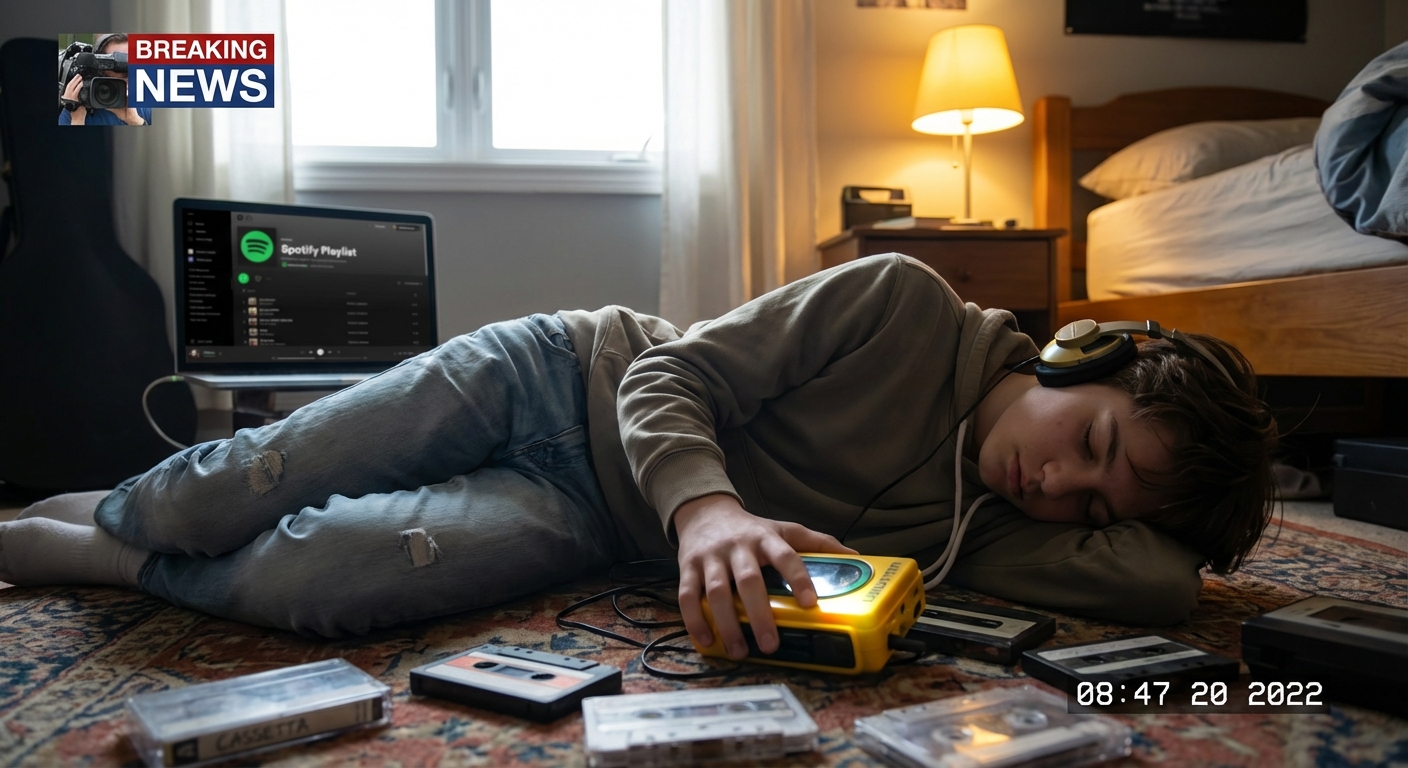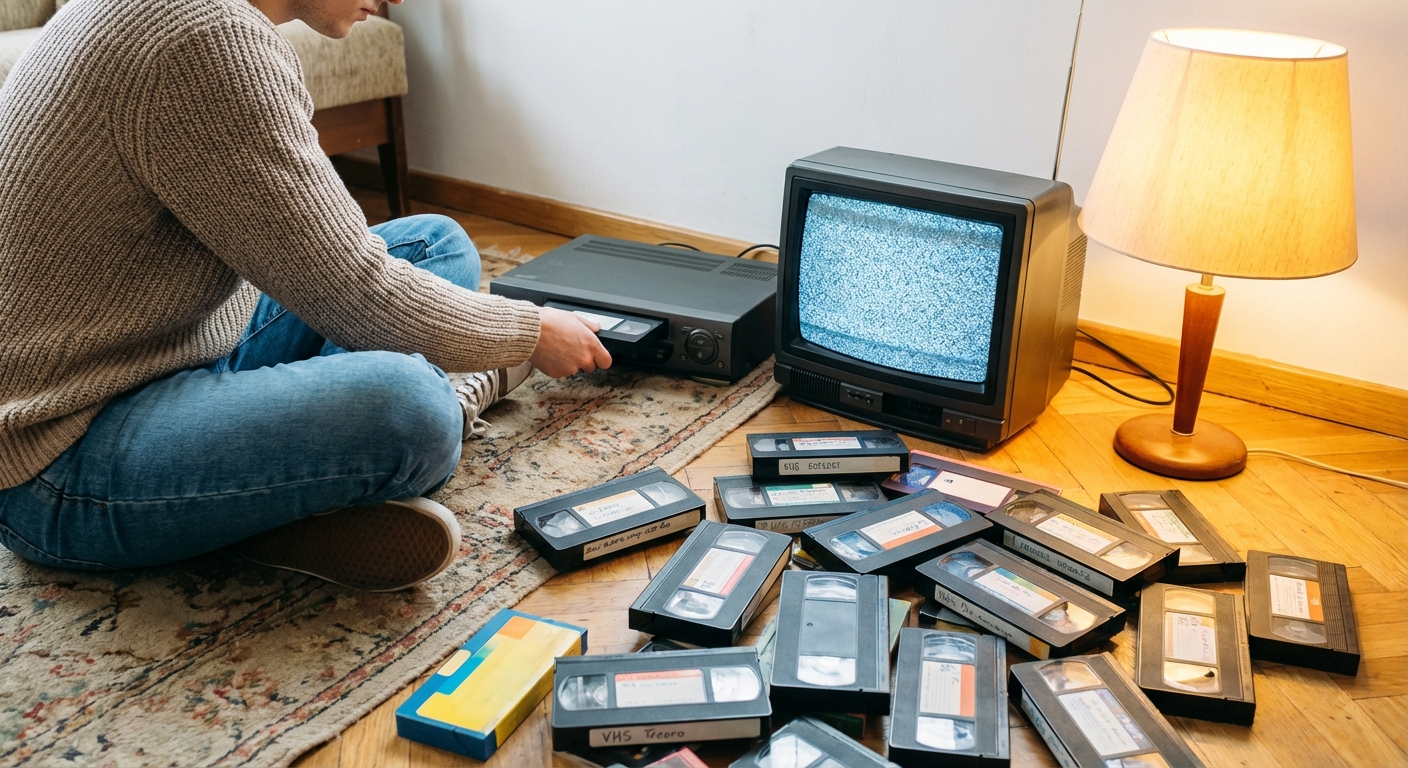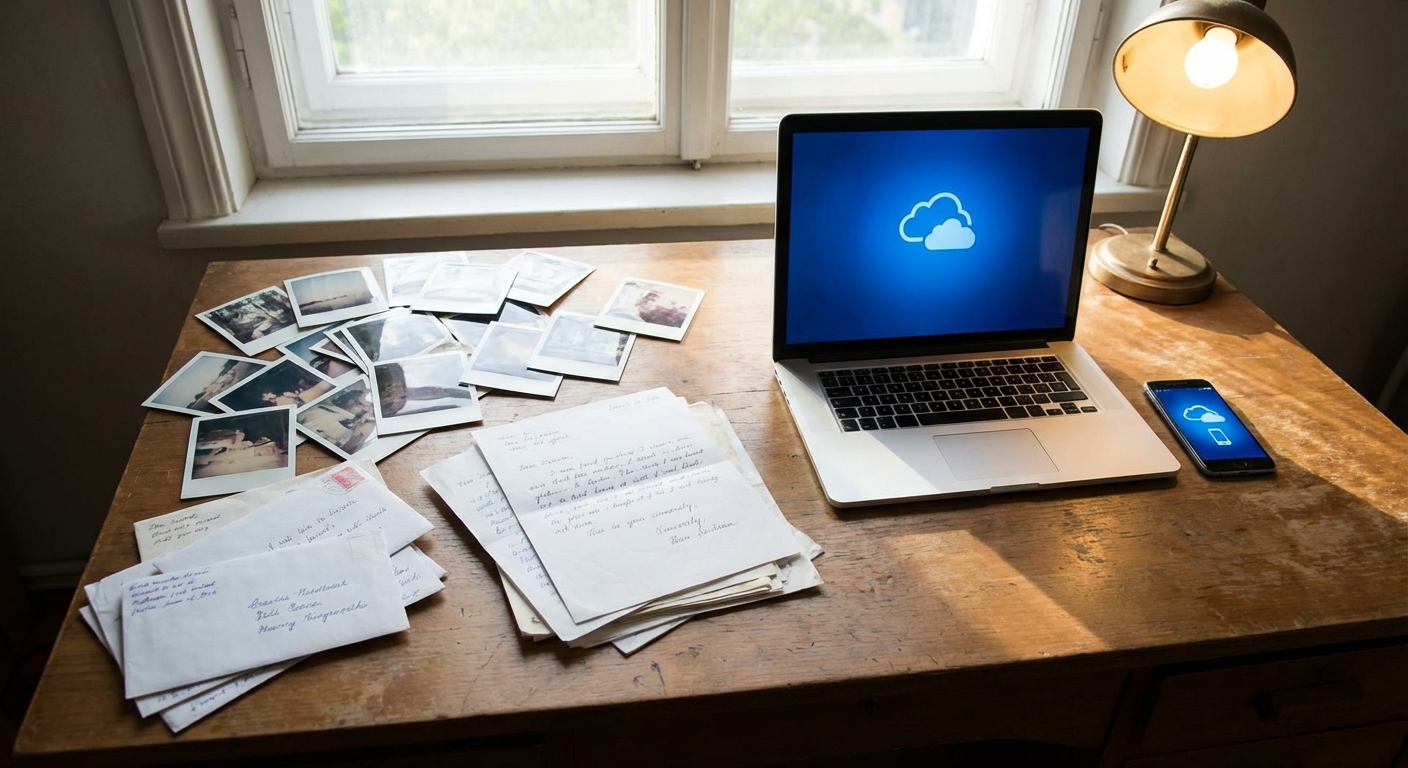
There was a time when your music and movies physically occupied space in your home. Shelves bowed under the weight of jewel cases and clamshells. Suitcases were half-full of CDs for a weekend away. A mixtape took up the same room in your bag whether you listened to it once or a hundred times.
The Heavy Box That Meant You Owned Something
Now, entire libraries weigh less than a progress bar.
Digital media is miraculous: instant, portable, searchable. But in the stampede toward convenience, we quietly traded away a small universe of rituals, limitations, and sensory details that shaped how we experienced culture.
Let’s take a playful, affectionate look at analog vs digital—not to crown a winner, but to appreciate what the analog era gave us, and what still makes it worth revisiting.
Physical Noise vs Perfect Silence
The Sound of Something Actually Happening
Analog formats come with companions:
- Vinyl: Crackle, rumble, the faint whoosh between tracks
- Cassette: Hiss, soft saturation on loud passages, warble if the deck’s not quite aligned
- VHS: Tape noise, tracking lines, gentle softness in the image
These aren’t bugs; they’re byproducts of a physical process. A stylus is dragging through a groove. Magnetic particles are being read off a moving tape.
Digital formats aim for transparency:
- Flat noise floors
- Clean silence between tracks
- Pin-sharp video with no flutter
Technically superior—but some listeners and viewers miss the texture their senses expect.
The Warmth Debate (Yes, Again)
Is analog really "warmer"? In many cases, that perception comes from:
- Subtle harmonic distortion in tape and vinyl playback
- Frequency response curves that gently roll off extremes
- The mastering choices made for specific formats
Objectively, high-resolution digital can reproduce audio more accurately. Subjectively, many find that accuracy a little sterile compared to the familiar fog of analog’s imperfections.
Scarcity vs Infinity
The Finite Shelf vs the Endless Scroll
With analog, your library was bounded by:
- Physical space
- Budget
- Availability at local stores
That limitation did weird, wonderful things:
- You listened deeply to the few albums you owned
- You rented the same movie again because everything else was out
- You knew every skip and wow on your favorite tape by heart
Digital turned that scarcity on its head:
- Millions of songs, one subscription
- Entire filmographies a search away
- No need to choose which albums to pack for a trip
It’s incredible—but it also makes any single piece of media feel a bit less special.
The Paradox of Choice
When every option is available, sometimes you:
- Spend longer choosing than actually watching or listening
- Abandon something at the first sign of boredom
- Treat media as background noise rather than an event
Analog subtly nudged us toward commitment: you picked a tape or disc, hit play, and usually rode it out.
Ritual vs Instant Access
The Setup Ceremony
Analog media had small ceremonies built in:
- Removing a record from its sleeve, brushing it, lowering the needle
- Flipping the tape at the end of Side A
- Rewinding the VHS and watching the counter spin back
Each step made you show up for the experience.
Digital:
- Click
- Tap
- Done
Faster, sure—but also easier to take for granted.
Linear Experiences
Cassettes and CDs had track skip, but hopping around was still clunkier than today’s seeking and playlists. Vinyl and VHS discouraged skipping altogether.
This encouraged:
- Experiencing albums as sequenced wholes
- Letting slower tracks grow on you
- Discovering B-sides while waiting for your favorite song
Streaming makes it easy to live in a highlight reel.
Ownership vs Access
The Shelf That Told Your Story
Walking into someone’s living room once meant an instant portrait:
- Rows of CDs and LPs
- The weird VHS tapes with hand-scrawled labels
- A few bootlegs or obscure imports
You could lend these, gift them, or rediscover them in a closet years later.
Digital libraries are more fragile:
- Licenses expire
- Titles vanish from streaming without warning
- Terms of service quietly rewrite what "purchase" means
Your most beloved album can disappear overnight… unless you have a physical copy and a device to play it.
The Space-Time Archive
Analog collections are their own backups:
- Old mix CDs found in a car drawer
- VHS home movies dug out for a family reunion
- A box of cassettes from a college roommate
They survive password resets and dead cloud accounts. They’re annoyingly resilient.
Craft vs Convenience
The Art of the Mixtape
Making a mixtape in the analog era was an act of devotion:
- Recording in real time from vinyl, CD, or radio
- Pausing at just the right moment to avoid DJ chatter
- Writing tracklists by hand, doodling in the margins
You learned:
- How to sequence songs so they flowed
- How to pack the perfect runtime into 60 or 90 minutes
- When to leave a little mysterious dead space at the end
Today’s playlists are easier to assemble—but usually lack that physical proof of effort. A cracked, labeled TDK still wins the romance contest.
Album Art and Liner Notes
Analog formats turned packaging into part of the experience:
- Gatefold vinyl with full-size artwork and lyrics
- Cassette inlays that folded out like treasure maps
- CD booklets with essays, thank-you lists, and odd photos
You learned band members’ names, producers, even where albums were recorded. Digital shrank that down to a thumbnail and a metadata field.
Collector Anecdotes: Rescuing Analog from the Digital Tide
The Dumpster Full of CDs
One collector describes driving past a record store on closing day to see boxes of unsold CDs headed for the trash. A quick talk with the staff turned into a rescue mission: trunk and backseat full of "obsolete" discs.
Years later, that "junk" collection turned out to include:
- Early pressings with unique masterings
- Long-out-of-print indie titles
- Bonus-track editions never reissued on streaming
The store is gone, but the music lives on, offline.
VHS as the Only Canon
Another enthusiast found that the version of a cult horror film they grew up with—different dub, alternate soundtrack—only survives on a particular VHS release. The DVD and Blu-ray use a cleaned-up but altered cut.
That battered tape, and a working VCR, became the "true" canon in their eyes—a reminder that digital restorations sometimes rewrite history instead of preserving it.
Picking Your Poison: Where Analog Still Wins
Analog media shines when you want:
- A tactile relationship with your collection
- Deliberate listening or viewing instead of grazing
- Artifacts with history—stickers, notes, wear marks
Digital rules when you need:
- Instant access anywhere
- Backup and redundancy (if managed properly)
- Discovery tools that surface new artists and films
You don’t have to choose a side. Many people keep a streaming account and a favorite shelf of LPs, tapes, or discs.
Building a Hybrid Future
The sweet spot for many retro-tech lovers is a hybrid approach:
- Use streaming to explore
- Buy analog (or at least physical) copies of what truly matters to you
- Maintain the hardware: a good tape deck, turntable, CD player, VCR
Digitize your most fragile analog treasures if you like, but keep the originals as talismans. Let the playback ritual slow you down now and then.
Infinite storage and instant access are incredible upgrades. But there’s enduring value in a world where music and movies have weight, where you can hand someone a mixtape or a tape-worn VHS and say, "This changed me—here, borrow it."
We gained everything with digital. We lost a few beautiful frictions along the way. Retro tech gives us a way to get those frictions back on demand—a needle drop, a tape hiss, a whirring head drum—and remember what it feels like when culture takes up a little more space in our lives.