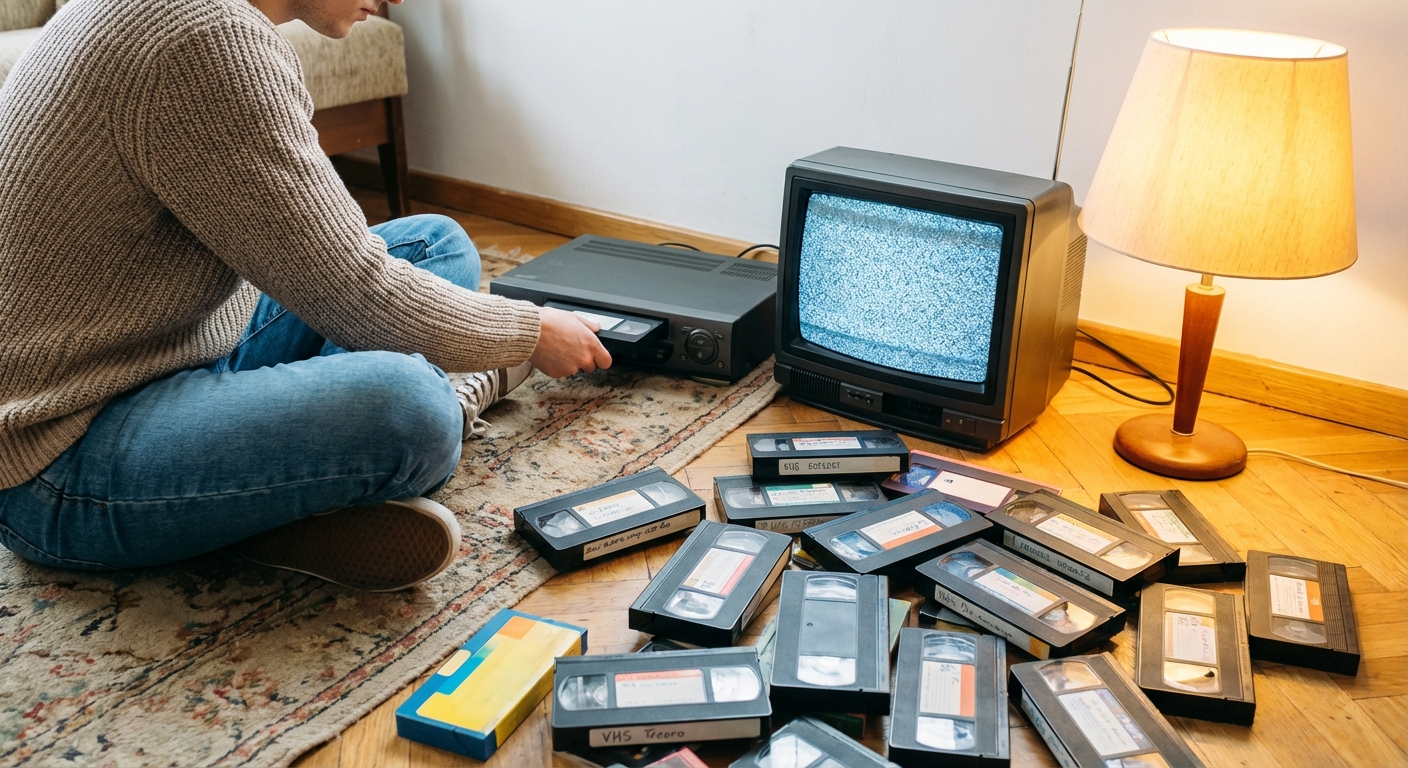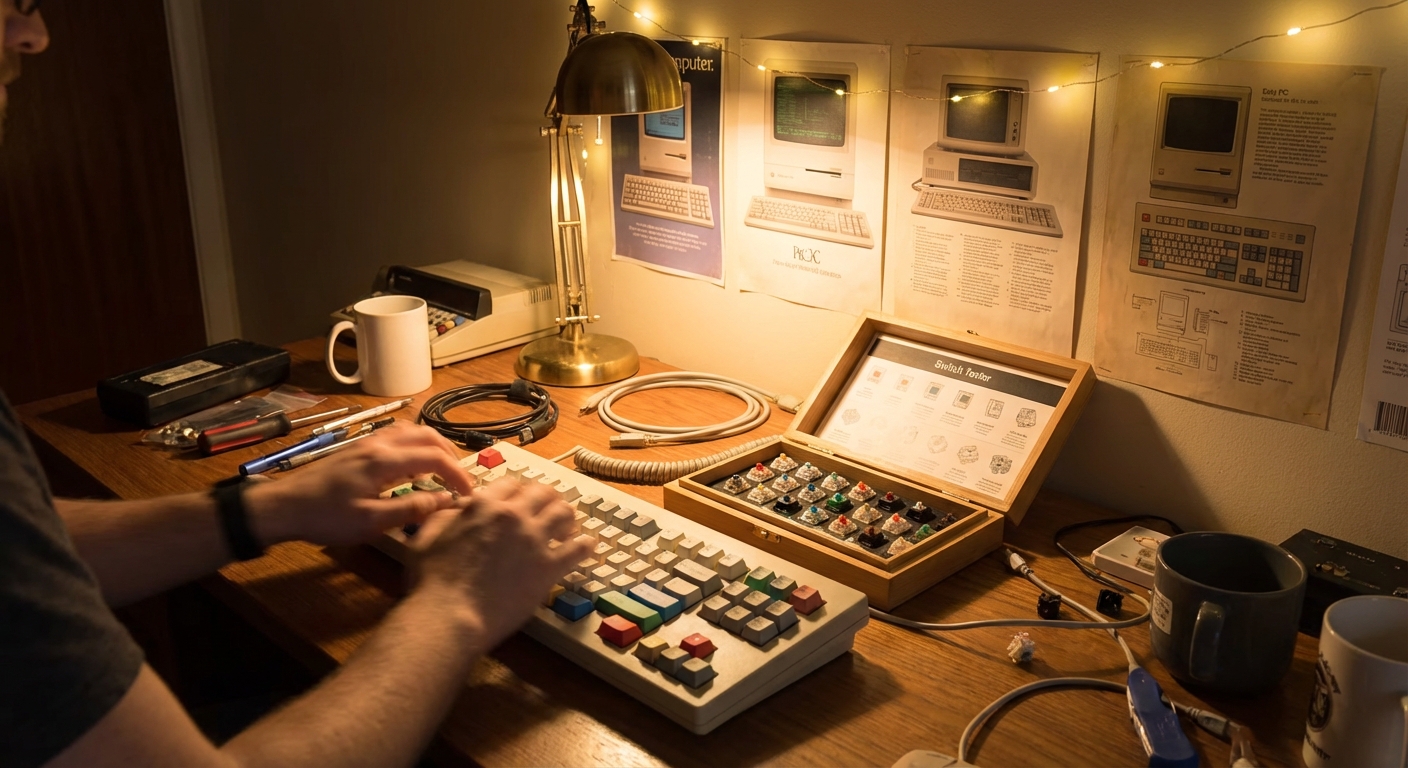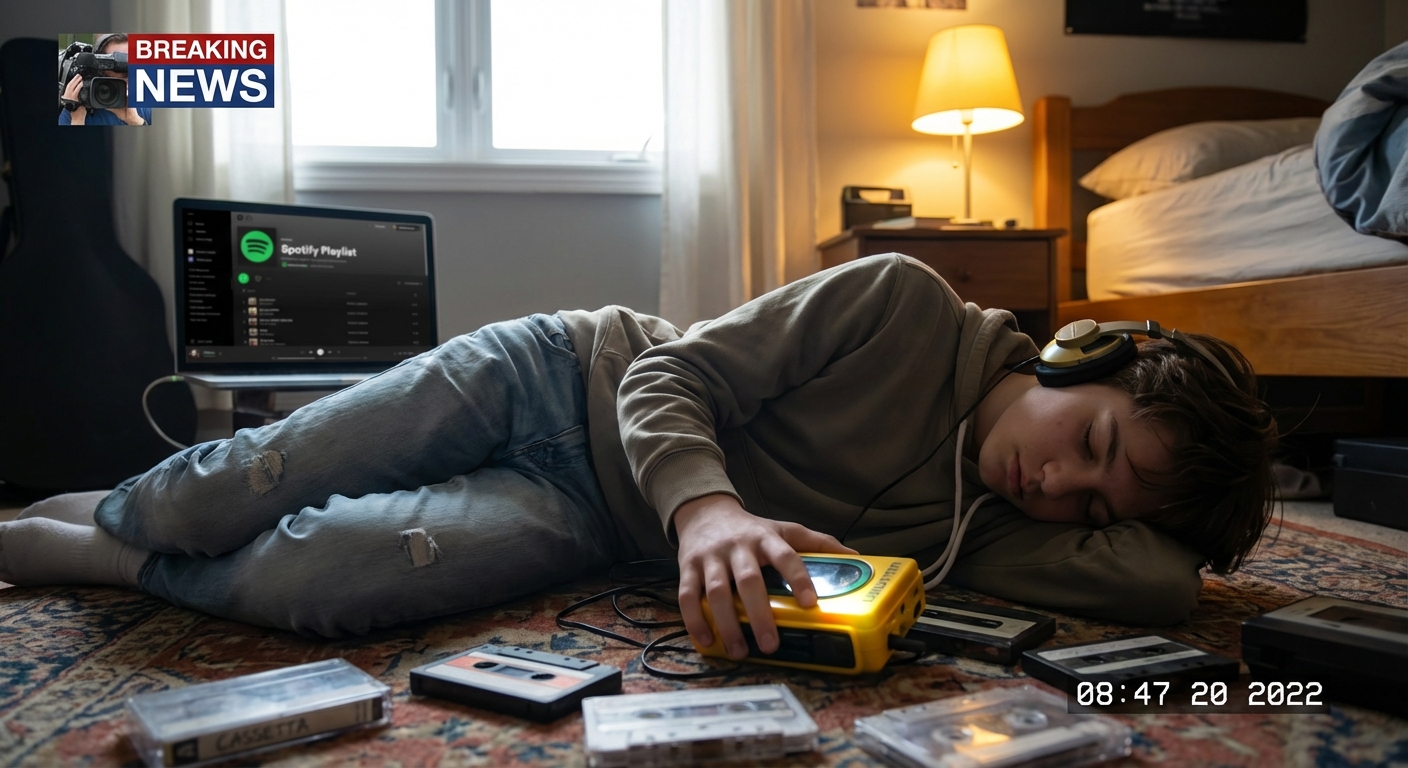
Before smartphones turned music into an invisible background process, the Sony Walkman turned it into a ritual. Sliding a cassette into that spring-loaded door, feeling the click of the latch, and hearing the faint whir of the motor felt like activating a tiny, personal spaceship.
The Tiny Machine That Turned Everyone Into a DJ
Born in 1979 with the Sony TPS-L2, the Walkman didn't just change how we listened to music—it rewired culture. It took the mixtape off the shelf and put it in your pocket. It made headphones normal in public. It gave teenagers a portable forcefield of sound.
Today, in an age of lossless streams and algorithmic playlists, the Walkman still exerts a strange pull. Collectors hunt down specific models, obsess over belt tension, and argue about the superior "warmth" of ferric tape. And honestly? They're not wrong.
A Brief History of Pocket-Sized Freedom
The TPS-L2: The Prototype That Stuck
The first Sony Walkman, the blue-and-silver TPS-L2, was a repurposed professional recorder. It had two headphone jacks and an "orange button" for voice overlay so you could talk over the music. Reports say early Sony executives were skeptical—who would want a tape player that couldn't record?
Turns out, everyone.
The TPS-L2 sparked a revolution:
- Early 80s: Walkman becomes a status symbol. Bright colors, detachable headphones, and "Walkman" becomes generic shorthand for all portable players.
- Mid-80s: Auto-reverse appears, letting tapes play both sides without flipping. Metal and chrome tapes push fidelity higher.
- 90s: Slimmer, lighter models like the WM-EX and WM-DD series. Some rival CD players on sound quality alone.
Meanwhile, other brands enter the fray: Aiwa with their feature-packed units, Panasonic with rugged sports models, and countless budget imitators.
Under the Hood: Why They Sound (and Feel) Different
A cassette Walkman is a deceptively simple machine with a lot going on:
1. The Transport Mechanism
- Capstan & Pinch Roller: This pair pulls the tape at a constant speed (usually 1⅞ inches per second). Speed stability, known as wow and flutter, is crucial.
- Drive Belts or Gears: Most consumer units use rubber belts that stretch over time. High-end models like the Sony WM-DD series use a direct-drive mechanism, reducing wow and flutter.
- Auto-Stop Sensors: Mechanical or optical sensors detect tape end, preventing the machine from chewing your favorite mixtape.
2. The Tape Heads
- Playback Head: Reads the tiny magnetic fluctuations on the tape.
- Head Gap & Alignment: Tiny differences in head geometry and azimuth (angle) affect clarity and stereo imaging.
- Dolby Noise Reduction: Systems like Dolby B and C reduce hiss by pre-emphasizing and then de-emphasizing certain frequencies.
3. The Analog Charm
What we now call "imperfections" are part of the analog signature:
- A low, steady tape hiss
- Slight flutter on sustained notes
- Soft-saturated peaks when a recording is a bit too hot
These characteristics live in the same universe as vinyl crackle: an audible reminder that something physical is moving to make the music happen.
Collector Tales from the Walkman Wild
Talk to any tape collector and you’ll hear stories that sound more like treasure hunts than tech purchases.
The Thrift Store Miracle
One collector in Berlin tells the story of finding a dusty Sony WM-DDIII tossed into a box of tangled chargers at a flea market. Price tag: €5.
Inside? A nearly mint, fully functional direct-drive classic that routinely sells for 20–30x that online.
The kicker: the tape inside was a lovingly curated 80s synthpop mix. The original owner's handwriting on the inlay card became part of the story—a tiny time capsule that traveled decades.
The Belt Surgery Club
Other enthusiasts buy Walkmans "for parts" just for the joy of reviving them. They share war stories:
- The belt that had turned to black goo after 30 years
- The cracked idler gear 3D-printed back to life
- The satisfaction of hearing a machine go from warped chipmunk playback to rock-solid pitch
For many, the point isn’t perfect sound—it’s the puzzle of mechanical resurrection.
Why It Still Matters in a Streaming World
Digital convenience is unbeatable. But the Walkman offers experiences Spotify can't:
1. Intentional Listening
You don’t skip around a tape casually. You:
- Flip it halfway
- Learn exactly where your favorite song sits in the side
- Commit to a sequence of songs someone (maybe you, maybe a stranger on Etsy) put serious thought into
A mixtape is finite. That scarcity sharpens your attention.
2. Tactile Storytelling
Cassettes come with:
- Handwritten tracklists
- Doodles in margins
- Stickers and scuffs that tell a story
Every physical flaw becomes part of the aesthetic. Your Walkman, with its nicks and fading paint, is a diary of where you’ve been.
3. Sharing as a Craft
Sending someone a link is effortless. Making someone a mixtape is a project:
- Choosing songs with intention
- Balancing moods and transitions
- Checking total runtime so it fits on a 60 or 90-minute tape
It’s closer to making a short film than building a playlist.
Getting Into Walkmans Today: A Quick Guide
If the nostalgia is calling, here's how to start.
What to Look For
- Brand: Sony, Aiwa, Panasonic often mean better parts and serviceability.
- Features: Look for auto-reverse, Dolby NR, and line-out if you want to record or digitize.
- Condition: Belts can be replaced; cracked cases and corrosion are harder to fix.
Where to Hunt
- Local thrift stores and flea markets
- Online classifieds where people list "old tape players" with blurry photos
- Vintage audio shops that offer refurbishment
Basic Care Tips
- Use fresh batteries or a good-quality power adapter
- Clean the tape head with isopropyl alcohol and cotton swabs
- Run a demagnetizer occasionally if you’re deep into it
The Walkman as a Pocket Time Machine
In an era where music appears and disappears in algorithmic fog, the Walkman is reassuringly stubborn. It:
- Won’t update its UI overnight
- Doesn’t care about your data plan
- Only plays what you physically feed it
That limitation is its secret power. Every listen is a small, analog act of focus.
Your old Walkman isn’t just a relic. It’s proof that technology can be intimate, imperfect, and deeply human—and that sometimes, rewinding a tape feels a lot more magical than skipping a track.