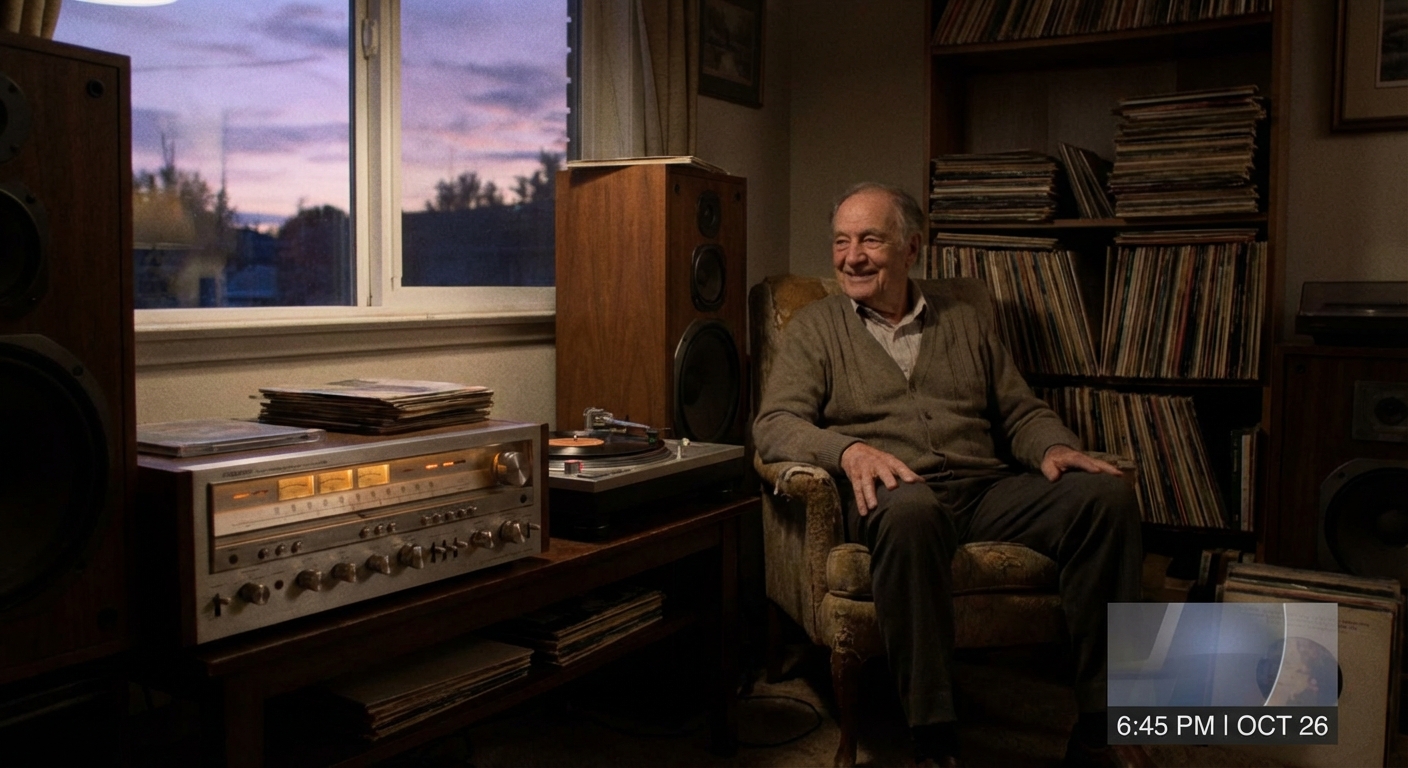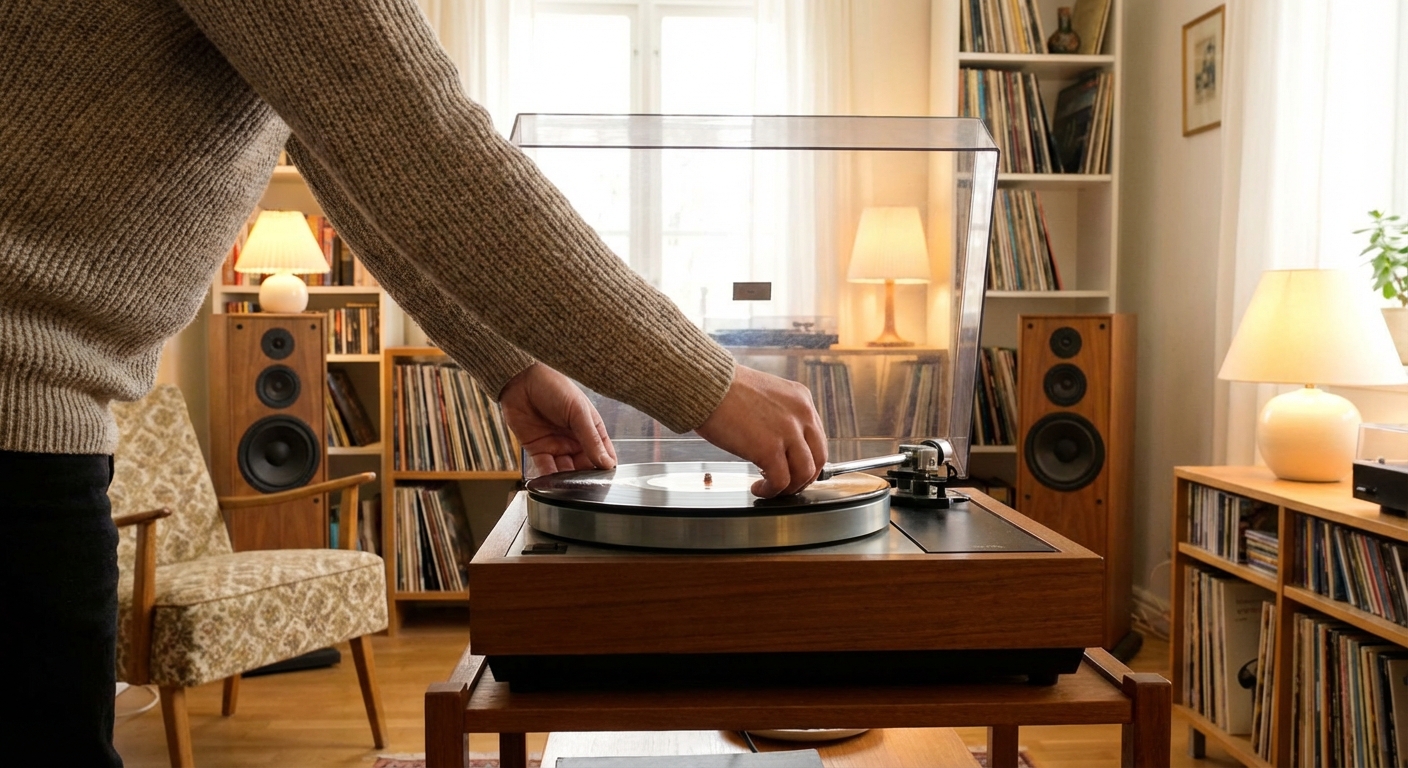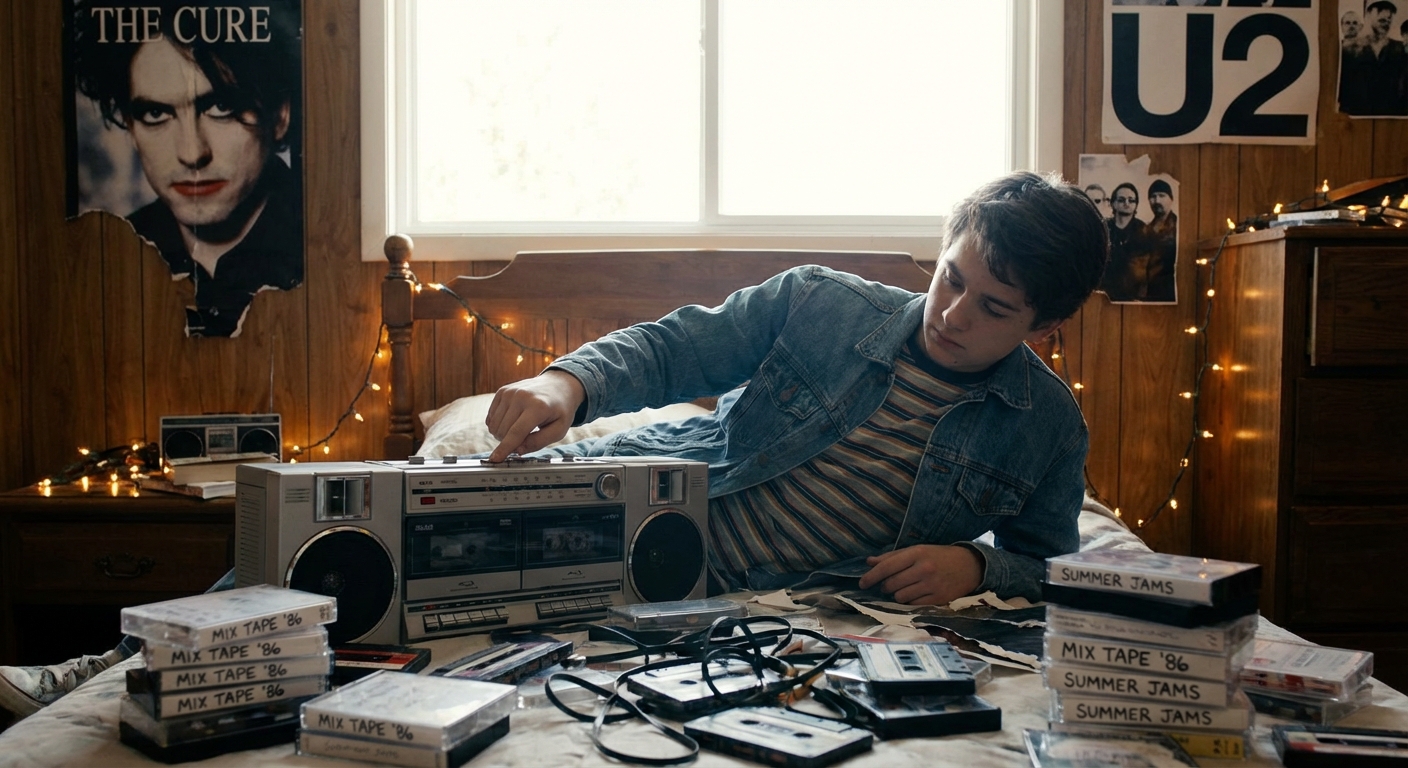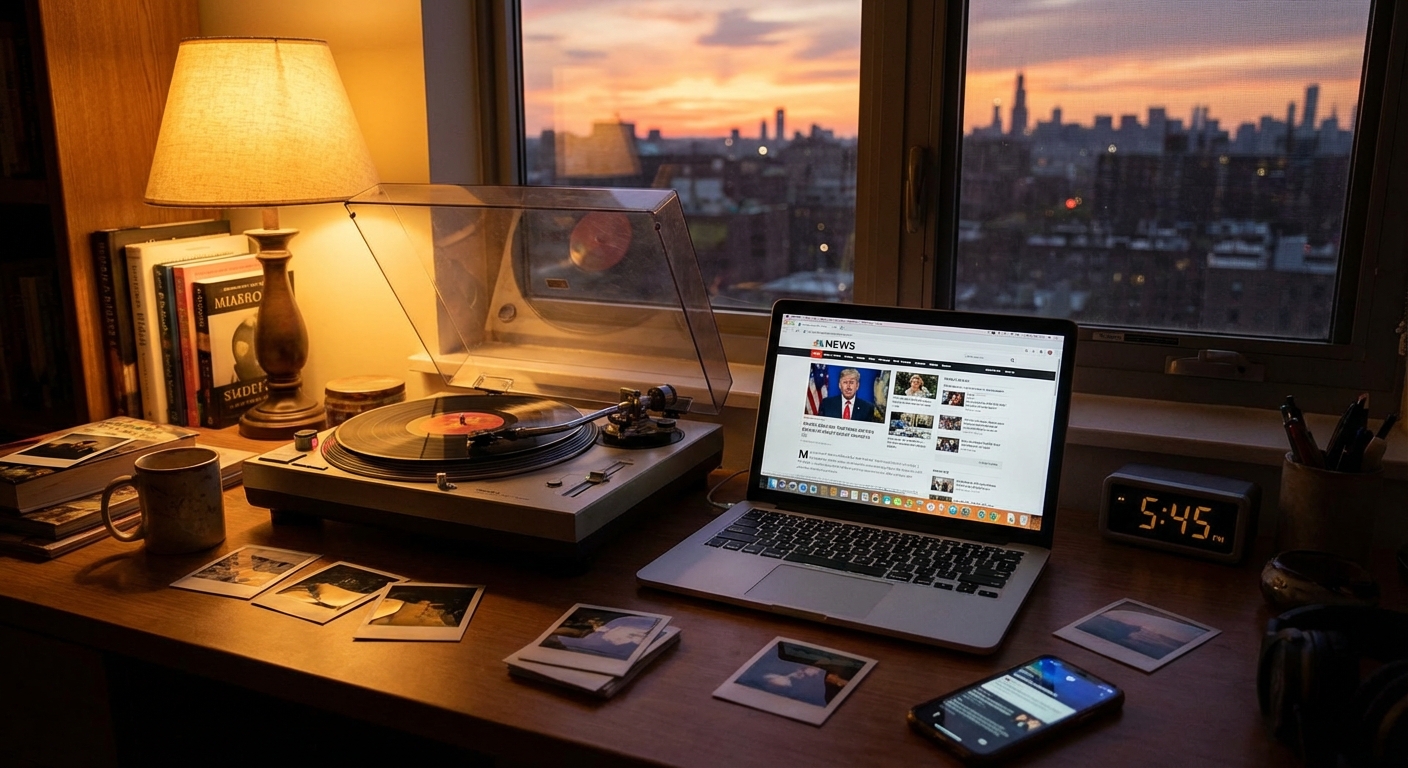
Somewhere in the late-night corners of the internet, people are still arguing: vinyl vs. CD, tape vs. streaming, analog warmth vs. digital clarity. Meanwhile, in living rooms filled with glowing dials and Wi‑Fi routers, most of us are… using everything.
The Format Wars, Remixed
You can love a 1977 receiver and a lossless streaming service. You can cherish a crackly first press and queue up a remastered box set on your phone. Let’s walk through analog vs. digital with less combat and more curiosity.
What We Mean by "Analog" and "Digital"
Analog: Wiggles in the Real World
Analog audio stores sound as continuous physical variations:
- Vinyl: microscopic wiggles in a groove.
- Tape: varying magnetization on moving oxide.
The waveform is continuous—no sampling, just a direct physical metaphor of air pressure over time.
Digital: Numbers About Wiggles
Digital audio stores sound as discrete samples:
- CD: 16-bit, 44.1 kHz PCM data.
- Streaming: similar, often compressed or lossless.
The analog sound is measured many times per second, converted into numbers, and later reconstructed into a smooth waveform.
A Brief History of the Great "Upgrade"
The Analog Heyday (1950s–70s)
- Studio masters on tape.
- Home listening on vinyl, reel-to-reel, 8‑track, and cassettes.
- Equipment designed for continuous signals: tubes and transistors, no DACs in sight.
The Digital Promise (1980s–90s)
The CD arrived boasting:
- "Perfect sound forever."
- No surface noise, no wow & flutter.
- Convenience: track skipping, repeat, compact size.
For a while, analog looked doomed—turntables were trashed, tape decks thrifted, and silver discs ruled.
The Great Reconsideration (2000s–Today)
Something odd happened:
- Vinyl refused to die—and then surged.
- Cassette enjoyed a strange, lo‑fi renaissance.
- High-res digital and streaming matured.
People realized: this doesn’t have to be either/or. It can be and.
How They Actually Sound: Strengths and Quirks
Analog Charms
- Continuous signal: No sampling, just smooth waveforms.
- Euphonics: Subtle distortions from tape, vinyl, and analog circuits can be subjectively pleasing.
- Noise as character: A little hiss, a gentle crackle, a sense of "room" in the playback chain.
When people say analog sounds warm or alive, they’re often responding to:
- Harmonic distortion from tubes or tape.
- Slight compression that glues elements together.
- The tactile, ritualistic context of playing records or tapes.
Digital Superpowers
- Low noise floor: Black backgrounds, minimal hiss.
- Wide dynamic range with modern formats.
- Consistency: No gradual wear, no off-center pressings or stretched tape.
When digital disappoints, it’s usually about implementation (cheap DACs, poor mastering) rather than the format itself.
Technical Tidbits (Without the Math Headache)
Sampling Rate & Bit Depth (Digital)
- Sampling rate (kHz): How many times per second the waveform is measured.
- Bit depth: How precisely each measurement is stored.
CD’s 16-bit/44.1 kHz standard already exceeds human hearing when well used. Higher-res formats add even more headroom and nuance—assuming the source and mastering take advantage.
Noise, Distortion & Dynamic Range (Analog)
Analog introduces:
- Tape hiss and vinyl surface noise.
- Wow & flutter from mechanical speed variations.
- Harmonic distortion from electronics and media.
These flaws can be intrusive or musical, depending on degree—and on your taste.
A Playful Comparison: How They Feel to Use
Imagine two evenings.
Evening A: The Analog Ritual
You slide a record from its sleeve, brush off the dust, cue the arm. You’ve committed to a side—five or six tracks. You sit. You listen. Flipping the record becomes a mini intermission.
Everything is slower:
- No instant skipping through boredom.
- No algorithm suggesting "something more upbeat."
- The act of listening feels deliberate.
Evening B: The Digital Flow
You grab your phone, tap a playlist, and your DAC or receiver obediently sings.
- Infinite choice at your fingertips.
- Search any artist, any era, instantly.
- Volume matched, gaps small, exploration encouraged.
Analog is a cozy old theater; digital is an endless multiplex. Both have their nights.
Vintage Gear in a Digital World: Best of Both
Here’s the fun part: you don’t have to choose sides. You can route digital magic through analog nostalgia.
Scenario 1: Streaming Through a 1970s Receiver
- Connect a Bluetooth receiver or network streamer to an AUX input.
- Let your beloved silver-faced amp do what it does best: amplify with character.
You get:
- Digital convenience.
- Analog amplification, tone controls, and that sweet old phono stage waiting for when you spin records.
Scenario 2: Modern DAC, Vintage Power Amp
Use a modern DAC or streamer as a source, feeding a restored vintage power amp.
- Clean, detailed signal in.
- Vintage iron and discrete transistors out.
The result is a pleasing hybrid—clarity riding on the back of old-school grunt.
Scenario 3: Analog Front End, Digital Archiving
Love your vinyl or tapes, but want portability?
- Use an audio interface or dedicated recorder.
- Digitize at high resolution.
Now you can:
- Preserve rare pressings.
- Carry your favorite needle drops on your phone.
- Share playlists that started life in a groove.
Cultural Context: Why We’re Still Talking About This
Analog vs. digital isn’t just technical—it’s cultural.
- Analog often symbolizes slowness, craft, and physicality.
- Digital represents access, efficiency, and abundance.
We live in a digital-default world, so analog has become a small act of rebellion—a way to say, "I want fewer choices, more attention." At the same time, pretending streaming doesn’t exist would mean ignoring a miraculous access to music history.
Many collectors:
- Stream to discover.
- Buy physical to commit.
- Use vintage setups as islands of intention in a sea of infinite scroll.
A Peace Treaty for Your Ears
Instead of asking which is "better," try asking:
- What mood am I in tonight?
- Do I want ritual or ease?
- Am I exploring, or am I savoring something I already love?
Some practical ways to enjoy both peacefully:
- Keep a small, cherished vinyl or tape collection alongside streaming.
- Use playlists to audition albums you might later hunt down on LP.
- Build a system where sources are easy to swap—a selector switch can be your best friend.
Why the Old Gear Still Matters
Vintage analog equipment isn’t just about format—it’s about craft:
- Knobs that feel like they were milled, not molded.
- Switches that engage with a satisfying click.
- Cabinets that age like good furniture, not disposable plastic.
Even when fed a purely digital signal, this gear adds its own tactile and sonic fingerprint. It turns listening from a background activity into a small ceremony.
The Real Win: More Ways to Love Music
In the end, both analog and digital are just carriers for what really matters: those goosebumps on the chorus, that bassline that makes dishes rattle, that one song you loop three times in a row because it feels like it’s about you.
Vintage audio gear reminds us that how we listen shapes how we feel about what we hear. Digital tools remind us that no song is truly out of reach anymore.
If your shelf holds a battered tape, a few cherished LPs, and a Wi‑Fi streamer wired into a 50-year-old amplifier, congratulations—you’ve opted out of the format wars and into something better:
You’ve built yourself a little time machine that can visit 1975, 1993, or last Friday’s release day, all from the same sweet spot on the couch.