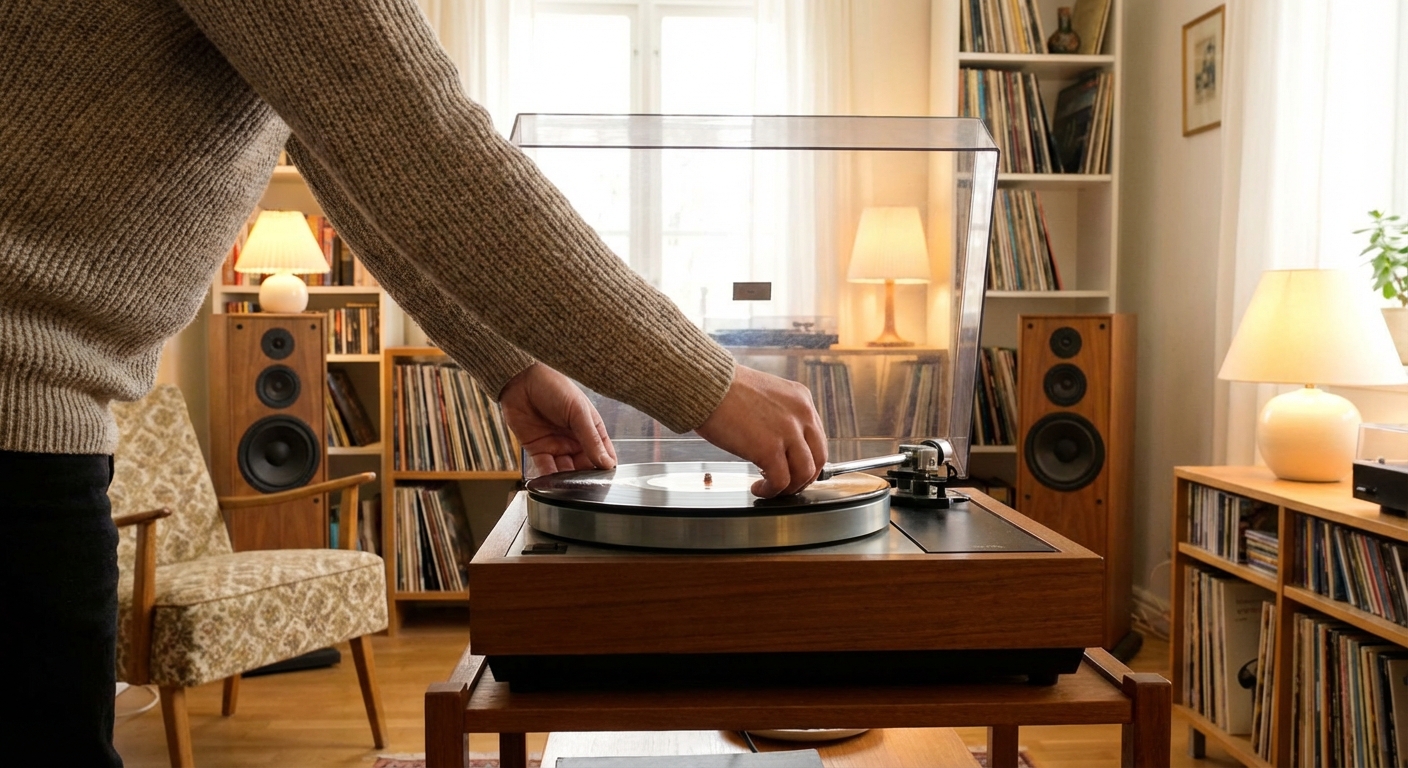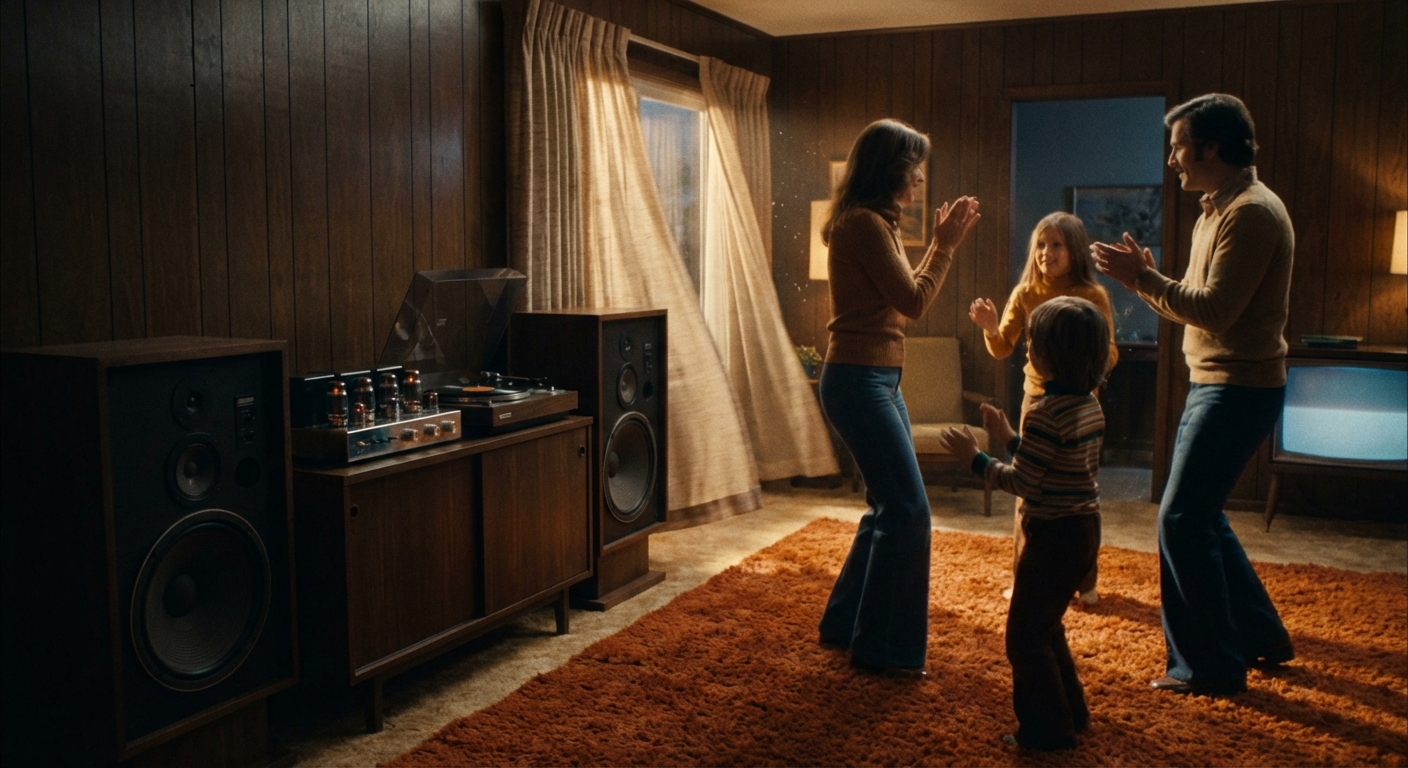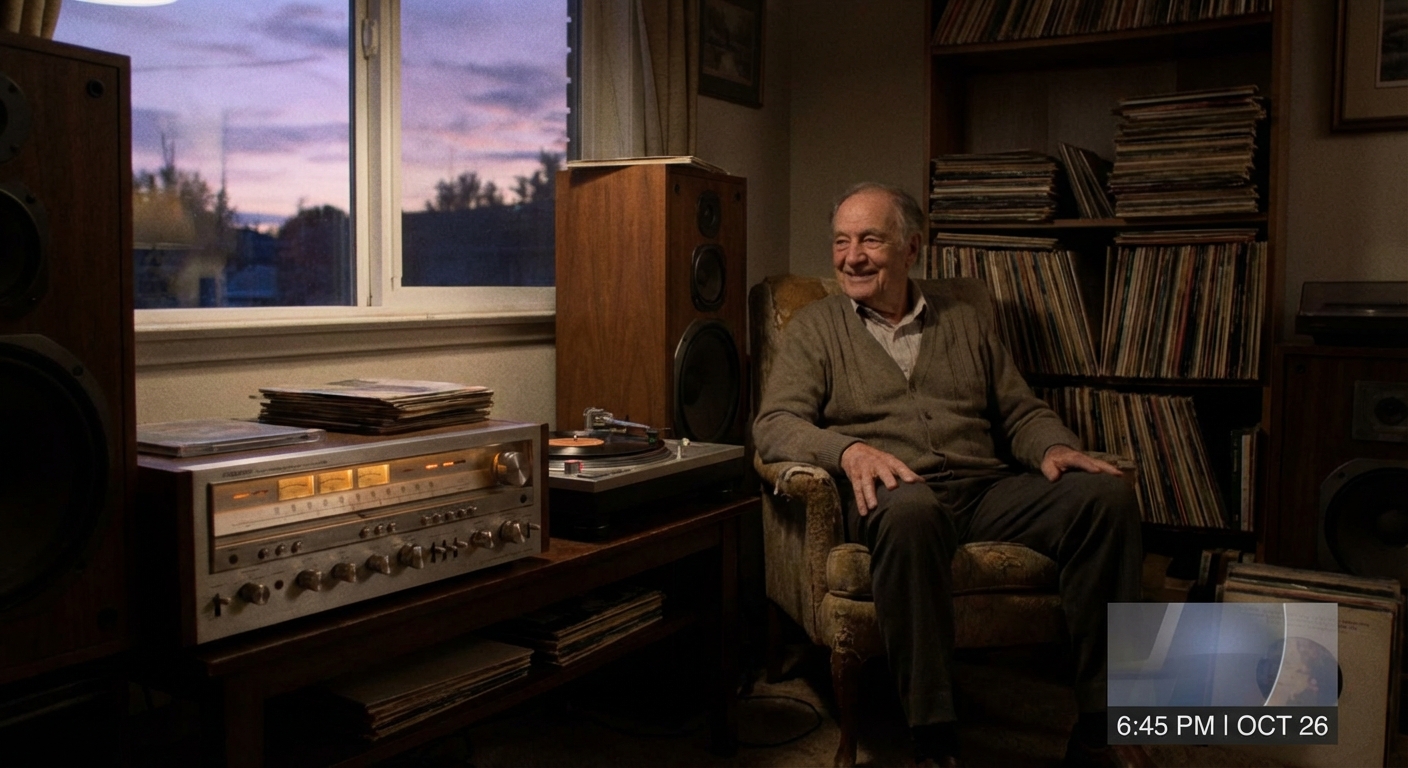
If you’ve ever turned off the lights, hit the power switch on a 1970s receiver, and watched the dial scale bloom in soft amber, you know: vintage audio isn’t just about sound. It’s about ritual. It’s about that clunk of the power button, the gentle shhhh of the volume pot, and the way FM stations slide into focus like you’re tuning in a memory.
The Glow That Never Left
Silver-faced receivers from the late 1960s through early 1980s occupy a special corner of the audiophile heart. From the brushed aluminum faceplates to the knurled knobs and analog meters, they embody an era when hi‑fi was furniture, not an app. Let’s wander through that world.
A Brief History of the Silver Age
Before receivers became anonymous black boxes, they were literal centerpieces of living rooms.
The 1960s: Stereo Takes the Stage
- Transition from mono to stereo: Households upgraded from bakelite radios to sleek, stereo-capable receivers.
- Tube to solid-state: Manufacturers like Fisher and Scott were phasing out vacuum tubes in favor of transistors. Tubes glowed warmly; transistors promised reliability, lower heat, and smaller enclosures.
The 1970s: Peak Receiver Wars
The 70s were the golden age—and a friendly arms race.
Brands like Pioneer, Marantz, Sansui, Yamaha, and Kenwood competed by building increasingly powerful and luxurious receivers:
- “Receivers” = tuner + preamp + power amp in one box.
- Power ratings shot from 15–30 watts per channel in the late 60s to 100+ watts per channel in the late 70s.
- Cosmetics became identity: silver faces, blue or green dial lighting, and impossibly smooth tuning wheels.
The 1978–1980 period is often considered the peak, with monsters like the Pioneer SX‑1980 or Sansui G‑33000 becoming legends—massive, over‑built, and frankly ridiculous in the best way.
The 1980s: Plastic, Digital, and The Dark Times
By the early 80s:
- Production costs pushed companies to cheaper materials: more plastic, less metal.
- Digital tuners replaced analog dials.
- The aesthetic shifted from silver faceplates to black glass and LEDs.
Some wonderful gear was still made, but the old-school tactile magic faded.
Why They Still Sound So Good
Nostalgia is powerful—but there’s real engineering behind the cult of the silver face.
Overbuilt Power Supplies
Vintage receivers often feature oversized transformers and generous filter capacitors, meaning:
- Stable power delivery even at higher volumes.
- Better headroom, so musical peaks don’t turn into harsh distortion.
- A sense of effortlessness—notes bloom instead of splatting.
Conservative Ratings (Real Watts vs. Paper Watts)
During the FTC regulation era (mid‑70s), power ratings had to be honest:
- Power measured across the full audible band (20 Hz – 20 kHz).
- With both channels driven.
- At a specified distortion (often 0.1% or 0.05%).
Those "40 watts per channel" receivers often punch well above their weight vs. modern mini‑amps that claim "1000W" in 6‑point font with 20% distortion at 1 kHz into one channel.
Discrete Components, Not Black Boxes
Open a 1970s receiver and you’ll see:
- Individual resistors, capacitors, and transistors.
- Separate boards for power, tuner, and tone sections.
This makes them repairable and tweakable, and it contributes to their sonic character—especially in the power amp and phono stages.
The Sound: Warmth, Weight, and Imperfect Perfection
Is the sound of vintage receivers accurate? Often… not exactly. But it’s musically satisfying.
Common traits:
- Slight warmth in the midrange.
- A forgiving top end—less fatiguing, especially with bright modern speakers.
- A sense of solidity and body to instruments, particularly vocals, piano, and guitars.
Part of that comes from their analog signal paths—no DSP, no digital volume control, just simple, well-executed circuits and solid power delivery.
Tales from the Collector’s Bench
Ask any vintage audio collector about their first score, and you’ll get a story.
The Curbside Miracle
One Cassette Lore reader found a dusty Sansui receiver on a curb with a "FREE" sign. It was:
- Missing knobs.
- Covered in nicotine.
- One channel dead.
After a careful cleaning (isopropyl, patience, and about 20 cotton swabs), a DeoxIT treatment on the pots, and the replacement of a handful of capacitors, it woke up:
"The first time I heard Bill Evans come through that thing, I just sat down on the floor. It was like they built this receiver just to play jazz records in 1973—and it was still on the job."
The Family Heirloom
Another collector inherited a 1970s Yamaha receiver that had powered every Christmas party of their childhood. It wasn’t the most powerful or rare unit. But:
- Every scratch on the wood case had a story.
- The tuner dial still sat exactly where Dad left his favorite FM station.
They recapped it, cleaned it, and now it powers their own living room system. When the dial lights come up, they say, "The house sounds like my childhood again."
How to Start Your Own Silver-Faced Journey
You don’t need a monster receiver or a gold-plated budget.
Where to Look
- Local classifieds and marketplace apps.
- Thrift stores and estate sales (go early and often).
- Audio forums and dedicated vintage groups.
What to Check
When auditioning a vintage receiver:
- All channels: Make sure both left and right output work.
- Controls: Wiggle every knob and switch. Crackling = dirty contacts (often fixable).
- Heat: Let it run for 20–30 minutes. Any burning smell? Walk away.
Tuner: Does it lock onto stations and light the stereo indicator?
Plan for at least a basic service—cleaning, maybe fresh bulbs, sometimes new capacitors.
Living with a Vintage Receiver in a Streaming World
Vintage meets modern surprisingly well:
- Plug a Bluetooth receiver or streamer into an AUX or TAPE input.
- Use a good phono preamp (or the built-in one, often quite nice) for your turntable.
- Pair with efficient speakers—many vintage receivers thrive with 90 dB+ sensitivity.
You get the convenience of playlists with the soul (and the knobs) of the analog era.
Why We Keep Coming Back
Maybe it’s the warm glow of dial lamps, or the thunk of a power toggle machined from real metal. Maybe it’s the sound—gentle but confident, less obsessed with microscopic detail and more with musicality.
Or maybe it’s this: vintage receivers were designed to be companions. They were meant to stay in one family for decades, to play birthdays and breakups and lazy Sundays without asking for a firmware update.
In a world of disposable gadgets, a 50-year-old receiver that still lights up and plays your favorite record feels almost rebellious. The silver face smiles back at you, and for a while, the timeline blurs: you, the music, and a piece of history quietly doing what it was built to do.