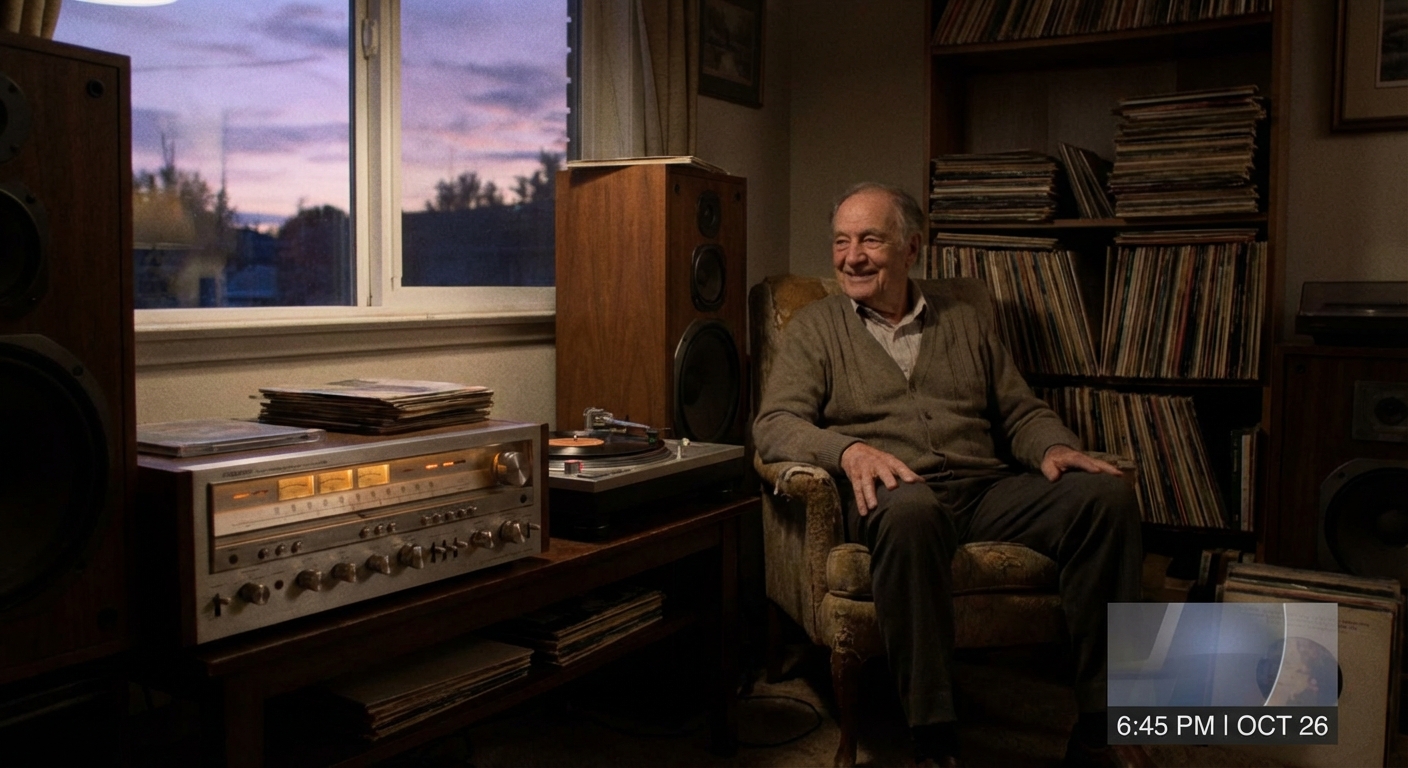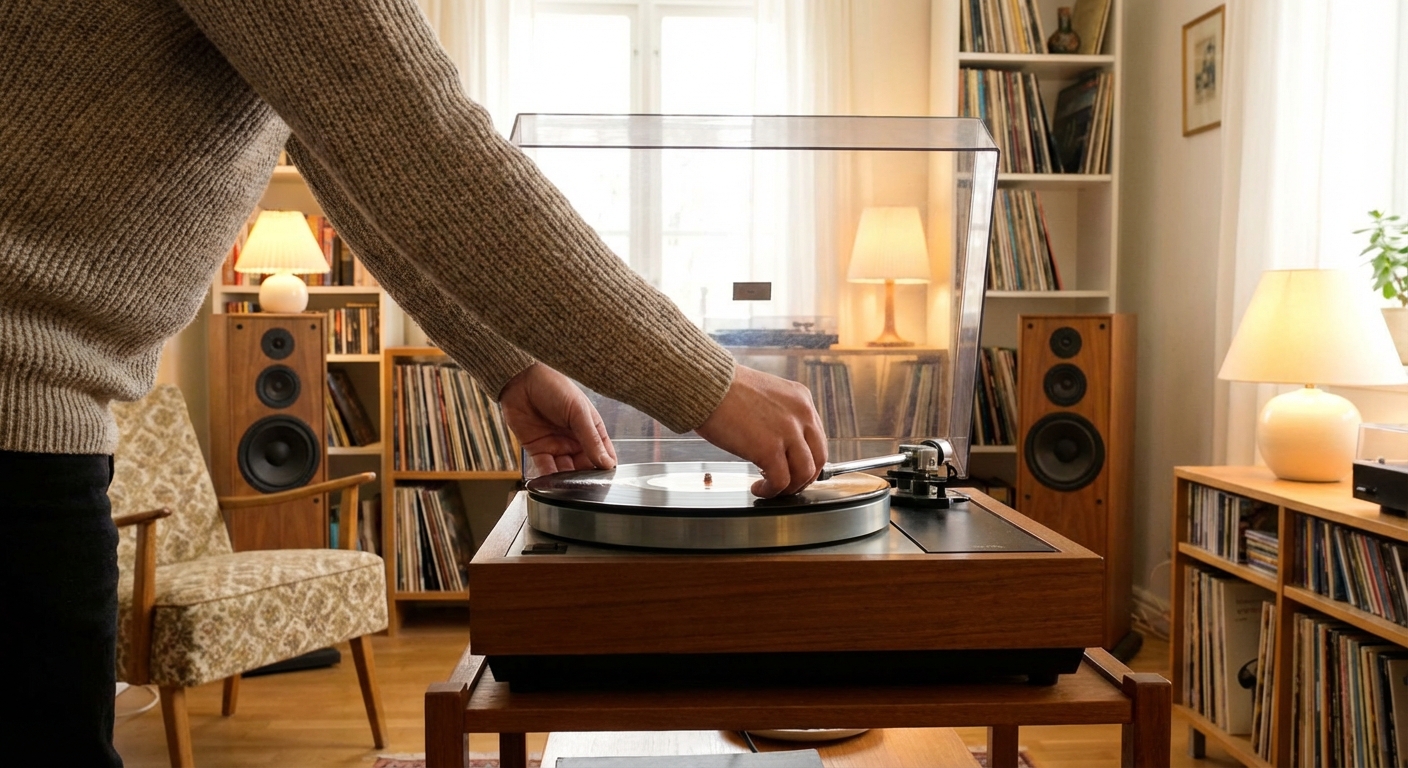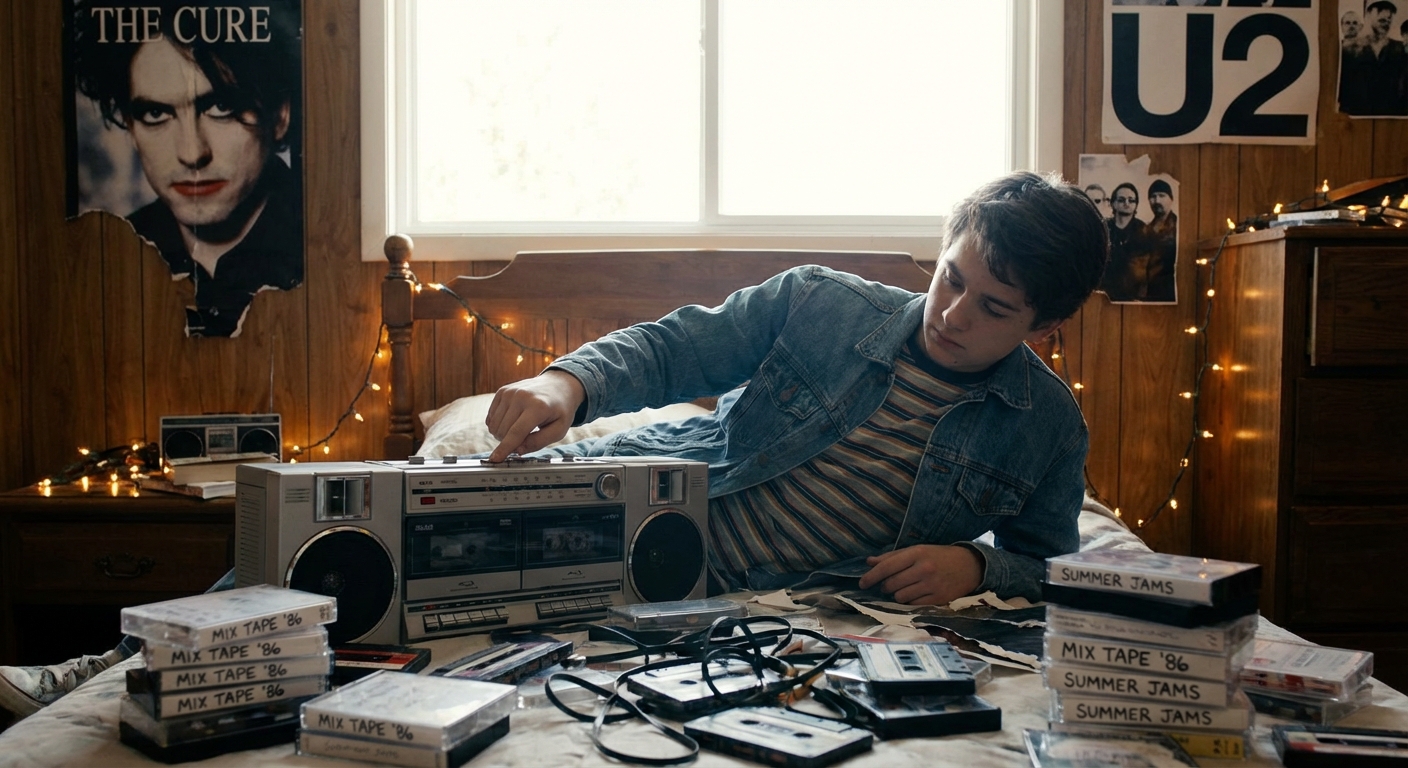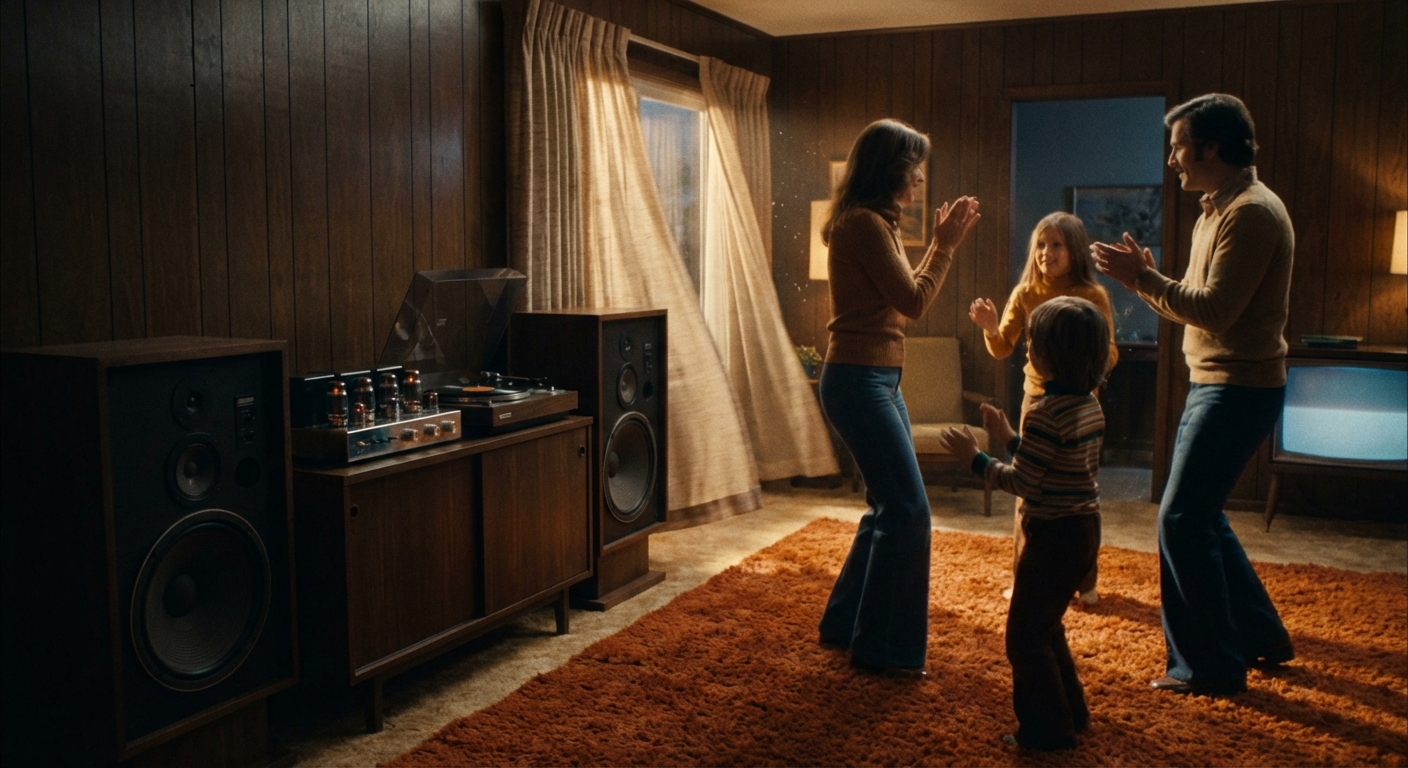
Before speakers shrank into soundbars and invisible in-walls, they were unapologetically big. Walnut-veneered, fabric-grilled, proudly planted on shag carpet—vintage speakers didn’t hide. They lived in your room.
When Speakers Were Furniture (and Proud of It)
If you’ve ever brushed fingers across an old cloth grille or smelled that faint aroma of wood, dust, and time when you pull it off, you know: vintage speakers have a presence that modern minimalism can’t quite match.
Let’s open up those cabinets and see what made them sing.
From Mono Boxes to Stereo Shrines: A Short History
1950s–60s: The Birth of Hi-Fi at Home
- Music moved from console radios to standalone speaker systems.
- Brands like Acoustic Research (AR), KLH, and Wharfedale experimented with cabinet design.
- The idea: accurate, room-filling sound from boxes that looked at home next to a sofa.
The 1970s: Bigger, Louder, Better (Sometimes)
This was the era of the speaker wars:
- Multi-driver towers with bold styling.
- West Coast "fun" sound vs. East Coast "accurate" sound.
- Speaker stacks in teenage bedrooms, powered by increasingly muscular receivers.
Companies like JBL, Pioneer, Sansui, Infinity, and others built legends—some refined, some rowdy, all characterful.
The 1980s: Refinement and Transition
- More attention to measured performance and crossover design.
- Shift towards bookshelf speakers paired with subwoofers in later years.
- Vinyl and tape still ruled, but CD was on the horizon.
Many classic models from this era hit a sweet spot of engineering maturity and still-reasonable build costs.
Inside the Box: What Makes Vintage Speakers Tick
Under that handsome veneer lies a deceptively simple recipe: drivers, crossover, and cabinet.
Drivers: Woofers, Mids, and Tweeters
- Woofers: Handle bass and lower mids.
- Midrange drivers: Tackle vocals and instruments.
- Tweeters: Deliver high frequencies.
Vintage designs range from two-way (woofer + tweeter) to elaborate four-way stacks.
Materials were wonderfully varied:
- Paper cones and doped cloth surrounds.
- Textile, phenolic, or metal dome tweeters.
- Horn-loaded compression drivers in more theatrical models.
Each combination adds its own flavor to the sound.
Crossovers: The Unsung Heroes
Crossovers are networks of inductors, capacitors, and resistors that split frequencies between drivers.
- Vintage crossovers often used electrolytic capacitors that age over time.
- Replacing these with fresh, quality caps can revive a tired pair dramatically.
A well-designed crossover makes drivers blend seamlessly. A bad one turns music into a game of "which part of the box is that sound coming from?"
Cabinets: The Room Within Your Room
Cabinet design shapes how the speaker interacts with your space:
- Sealed (acoustic suspension): Tight, controlled bass; often less efficient.
- Ported (bass reflex): More output and punch; can be boomy if poorly designed.
- Infinite baffle and variants: Creative compromises between the two.
Vintage cabinets used real wood or high-quality veneers on thick MDF or plywood. They resonated less, lasted longer, and looked better doing it.
The Vintage Sound: Why It Feels So… Human
People often describe vintage speakers as warm, forgiving, or musical. That’s not just poetry.
Common traits:
- Slightly rolled-off highs that tame harsh recordings.
- Full, sometimes exuberant midbass that makes rock and soul feel physical.
- Big soundstage that fills a room instead of firing a laser at your ears.
Are they ruler-flat? Rarely. Do they make you smile while you tap your foot on a Sunday afternoon? Frequently.
Collector Stories: The Ones That Got Saved
The Basement JBLs
One collector tells of discovering giant JBL L-series speakers in a damp basement:
"They looked like they’d been guarding a washer-dryer for a decade. Spiderwebs inside the grilles, foam surrounds turned to powder. The owner said, 'If you can carry them, you can have them.'"
After refoaming the woofers, cleaning L-pads, and polishing the cabinets:
"The first drum hit we played through them actually startled us. It was like the speakers had been bored for 20 years and were thrilled to be speakers again."
The Thrift Store "No Name" Gems
Another found an anonymous pair of heavy, real-wood bookshelf speakers with no badges. They cost less than lunch.
Opening them up revealed:
- Alnico magnet woofers.
- Well-built crossovers.
- Beautiful, simple engineering.
"I’ll never know who made them, but they make old jazz records sound like smoke and whiskey and small rooms. I named them instead—left is 'Bill,' right is 'Ella.'"
Buying Vintage Speakers: What to Look (and Listen) For
You don’t need golden ears—just a bit of attention.
Visual Checks
- Surrounds: The flexible ring around the woofer. Foam often rots; rubber and cloth fare better.
- Cones: Look for tears, dents, or water damage.
- Cabinets: Check corners, joints, and back panels for separation.
Rotted foam surrounds are common but fixable. Destroyed cones and waterlogged cabinets? Harder.
Simple Listening Tests
If you can audition them:
- Play at low volume first: listen for rattles, distortion, or dead drivers.
- Sweep through frequencies (or play a well-known track) and stand close:
- Tweeter working? Cymbals and highs present.
- Midrange clear? Vocals centered.
- Woofer tight? Bass notes distinct, not just a blur.
Expect Some TLC
Most vintage speakers benefit from:
- New crossover capacitors.
- Refoaming woofers if foam surrounds are gone.
- Deoxidizing level controls or switches.
- New grille cloth for a cosmetic lift.
These projects can be surprisingly accessible for beginners with basic tools.
Making Vintage Speakers Sing in Modern Rooms
You don’t need a 1970s house to enjoy 1970s speakers.
- Give them space from walls and corners to avoid boom.
- Experiment with toe-in: slight angling towards your listening spot.
- Use sturdy stands to lift bookshelves to ear height.
- Pair with appropriate amplification—many vintage speakers are efficient and love modest, high-quality watts.
A streaming DAC feeding a vintage receiver driving classic speakers is a perfectly valid, gloriously anachronistic system.
Why We Keep These Wooden Boxes Around
On paper, modern speakers often "measure better": flatter response, more compact, more precise imaging.
But vintage speakers offer something harder to chart:
- A sense of scale—music feels big and embodied.
- A connection to how records were heard when they were made.
- A tactile, visual presence that says, "I’m here to play music," not "I’m a tech product."
In a world of sleek anonymity, those big, slightly scuffed cabinets with their retro logos and threadbare grilles feel disarmingly honest.
They’re not perfect. They don’t want to be. They just want to sound like a band is in your living room, the lights are low, and there’s nothing to do but listen.
And that, really, is what makes them speakers with soul.