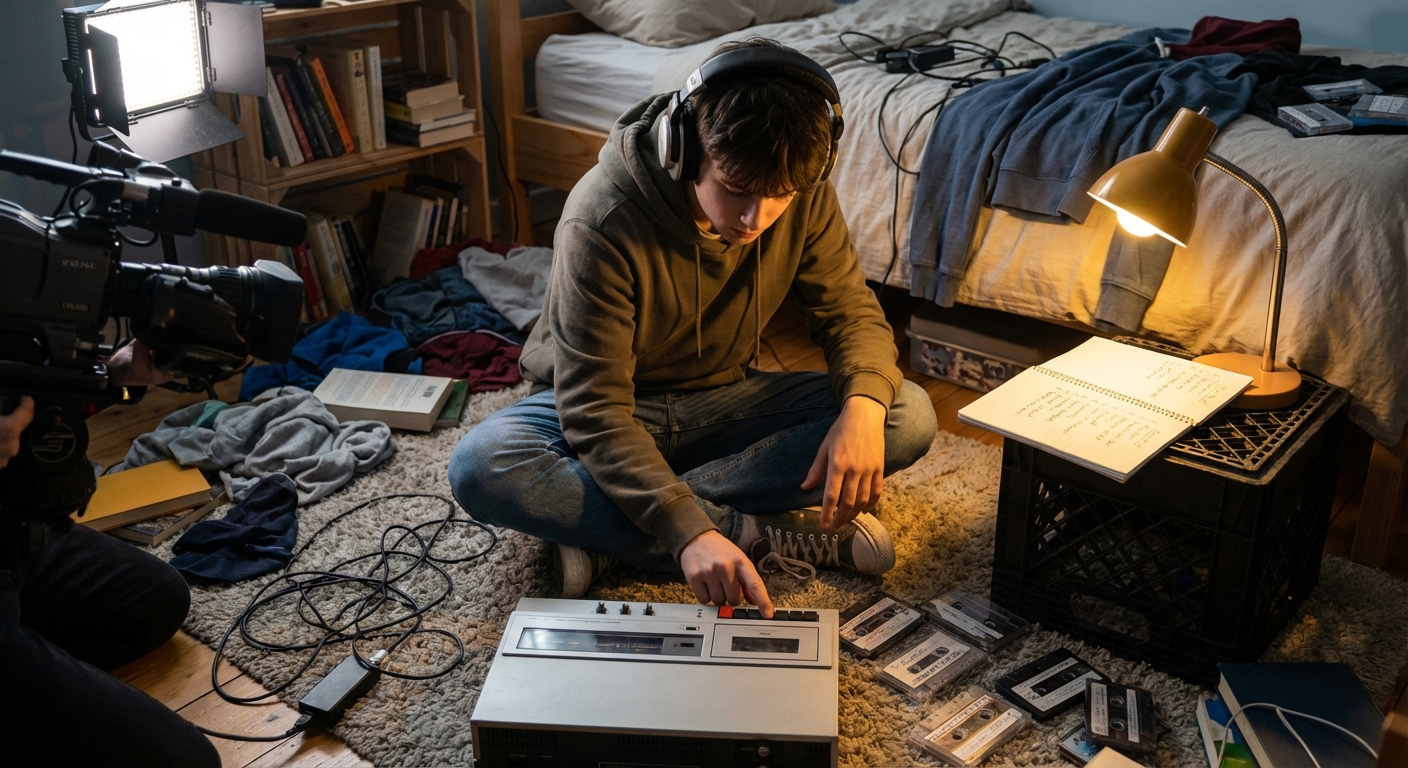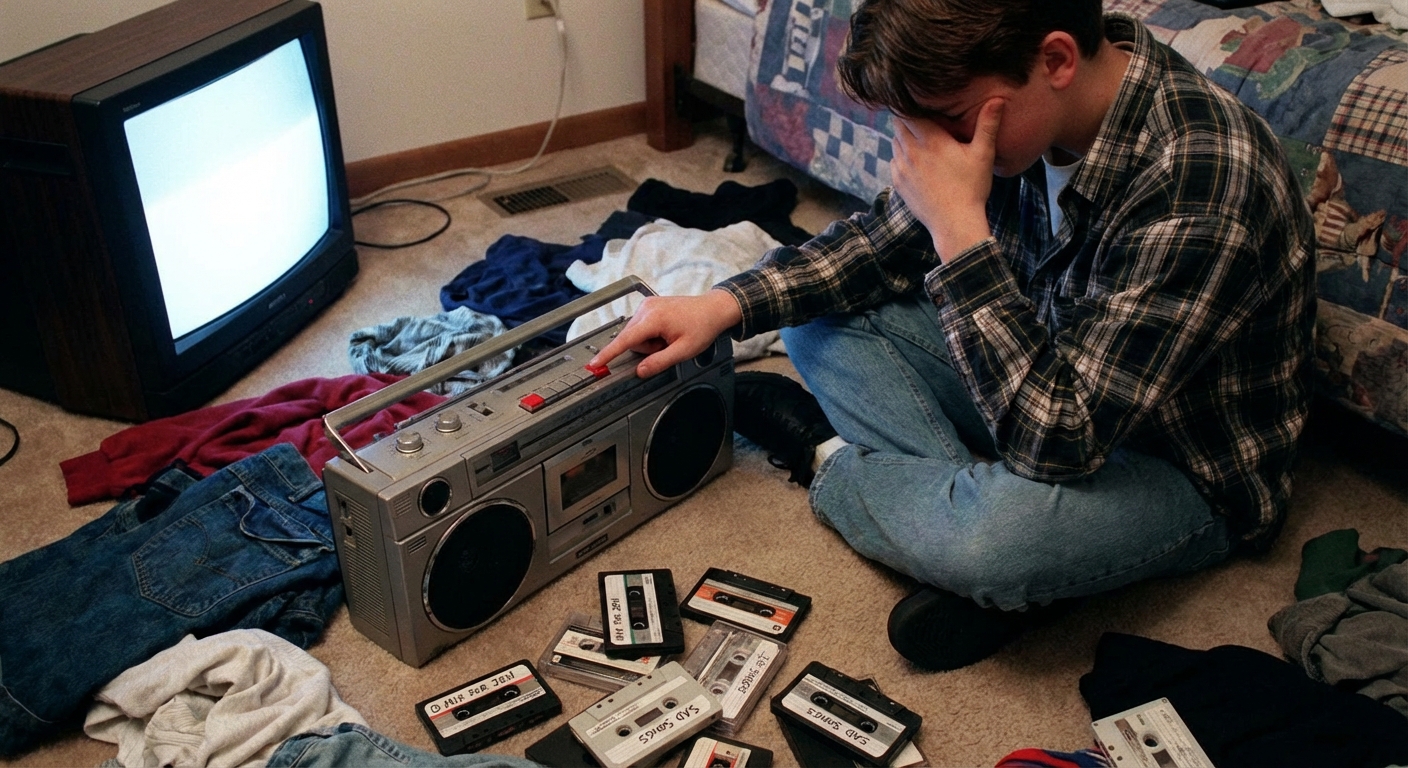
At a glance, every cassette looks alike: compact rectangle, two spools, a label taped on halfway straight. But open the door (figuratively; please don’t actually crack your rare TDK in half) and you’ll discover that not all tapes—and not all mixtapes—are created equal.
Under the Shell: Why the Details of a Mixtape Matter
Behind every perfect road-trip mix and every doomed crush tape is a quiet symphony of chemistry, mechanics, and design decisions.
This is the deep dive: the nerdy anatomy of the classic mixtape, with a warm nod to the collectors who still obsess over shell screws and leader tape colors.
The Shell: Plastic, Windows, and Tiny Screws
The cassette shell is more than a container; it’s a machine.
One-Piece vs. Screw Shells
- One-Piece (Welded) Shells: Cheaper, lighter, typical of budget blanks and pre-recorded tapes. Harder to repair if the tape snaps.
- Screw Shells: Usually 5 screws (sometimes 3), allowing the shell to be opened. These were favored by higher-end brands and beloved by tinkerers who:
- Fixed jams
- Swapped reels
- Performed emergency tape surgery with Scotch tape and prayers
To a collector, a screw shell signals quality and serviceability, like a watch with a real case back.
Windows and Hubs
Those front “windows” aren’t just decorative—they let you see:
- How much tape is used per side.
- Whether the tape is crinkled (bad) or smooth (good).
- The color of the tape and hubs, often branding signatures (Maxell’s bold reels, TDK’s minimalist cool, Sony’s practical style).
For mixtape makers, the shell was a canvas: blank labels, writable surfaces, sometimes translucent plastic that made a neon highlighter look like art.
The Tape: Ferric, Chrome, and the Alchemy of Sound
At the heart of every mixtape is a thin strip of plastic coated with magnetic particles. How those particles behave determines how your mix sounds after hundreds of plays in a car deck.
Type I (Normal/Ferric)
- Oxide: Ferric oxide.
- Sound: Warm mids, slightly rolled-off highs, more hiss than fancier tapes.
- Vibe: Democratic and durable. The every-kid’s tape of the ‘80s and ‘90s.
Many legendary personal mixes were made on cheap ferric blanks from the drugstore. They may not measure as well on a lab graph, but they feel right for loud guitars and sing-along choruses.
Type II (High Bias/Chrome)
- Oxide: Chromium dioxide or cobalt-modified ferric.
- Sound: Clearer highs, tighter bass, less hiss with proper bias.
- Vibe: The sweet spot for mixtape connoisseurs. Great for nuanced pop, electronic, and general “I care about how this sounds” mixes.
Certain brands—like TDK SA or Maxell XLII—earned reputations as the tape for people who took mixes seriously but still had lunch money budgets.
Type III & IV (Ferro-Chrome & Metal)
- Type III: Rare, transitional, not widely adopted. Now oddly collectible.
- Type IV (Metal):
- Higher output and dynamic range.
- Can handle punchy transients and deep bass without breaking a sweat.
- Originally expensive and still warmly remembered as the “premium mixtape” stock.
A breakup tape on a Type IV metal cassette? That was either profound affection or pure drama.
The Mechanics: How Your Tape Actually Moves
Mixtapes feel soft and emotional, but inside they’re ruthlessly mechanical.
Transport and Tension
When you press play, the deck’s capstan and pinch roller grip the tape and pull it past the heads at a fixed speed (usually 1⅞ inches per second). The take-up reel gathers the used tape while the supply reel feeds it out.
Good mixtape decks manage:
- Constant Speed: To avoid wow (slow warble) and flutter (fast pitch variation).
- Proper Tension: Too tight and you risk stress and squeal; too loose and tape can crinkle or spill.
Collectors swap stories about decks that “ran fast,” causing entire childhoods to sound a half-step sharp in memory until they later heard the songs digitally.
Heads and Alignment
Your deck’s playback and record heads determine how well those tiny magnetic patterns are written and read.
- If the azimuth (angle) is off, you lose treble and stereo imaging.
- Some obsessive teens once carefully adjusted head alignment to match a favorite tape, then ruined how everything else sounded.
Today, those quirks are part of the charm. That college mix you digitized might always sound a bit veiled—but that’s how you remember those songs.
The Noise: Hiss, Dolby, and the Sound of Memory
Every mixtape has a noise floor: the gentle shhhh underneath the music. In the analog era, that hiss was the canvas you painted on.
Dolby B, C, and the Great Debate
- Dolby B: Mild noise reduction; most common on consumer decks.
- Dolby C: Stronger noise reduction; can sound weird if played back without it.
The catch: if you recorded in Dolby and played back without it (or vice versa), the mix would sound wrong—either dull or overly bright.
Collectors today often digitize tapes both ways, keeping “authentic playback” and “corrected playback” versions, depending on whether they cherish the hiss or the hi-fi.
Why Hiss Still Hits
Hiss is temporal. It reminds you that time is passing, that the music is physically moving across the heads in this exact moment.
Many people report that—when listening to digitized old tapes—it’s the hiss, not the music, that first makes them cry. It’s the sound of their old bedroom, their old car, their old life, preserved as a sonic patina.
Collector Tales: The Details That Obsess Us
Dig through cassette forums and you’ll encounter full-blown affection for the tiniest features.
The Smell of New Tape
Fresh blanks from the ‘80s had a distinctive scent: a mix of plastic, ink, and cardboard. Some collectors swear they can identify brands blindfolded by smell alone.
Unsealing a deadstock pack of Maxell URs today is like time-travel via nose.
The Leader Tape Lottery
Leader tape—the non-magnetic strip at the start—came in different colors. Clear, white, blue, even patterned.
One collector recalls buying off-brand blanks solely because they had a beautiful blue leader tape that looked magical spinning in their walkman—never mind that the audio quality was questionable at best.
The Rattle Test
Gently shaking a cassette can reveal:
- Loose internal parts
- Poor build quality
- Or that solid, reassuring “no rattle” of a premium shell
Some collectors literally perform a “rattle test” when sorting flea market finds, keeping only the tightest, most robust shells for their prized mixes.
Cultural Context: Anatomy Meets Emotion
All this technical nitpicking would be meaningless without the emotional overlay.
The reason tape type, shell construction, and Dolby settings matter is that they’re the scaffolding for profoundly human experiences:
- The Sunday-night mix you made on a cheap Type I tape because that’s all you had before school on Monday.
- The meticulously curated Type II masterpiece for a crush, complete with crossfades and carefully calibrated levels.
- The live-bootleg-on-metal-tape scenario where someone cared enough to archive a show that might otherwise have vanished.
In hindsight, the format’s limitations improved the content. Having only 60 or 90 minutes forced choices and presence. Your mixtape wasn’t infinite; it was a very specific, physical claim about what mattered.
Caring for the Little Machines That Hold Your Memories
If you’ve kept your old tapes (or are hunting for new friends at thrift stores):
- Store them vertically in cases to reduce warping.
- Keep them away from magnets and heat (no car dashboards in summer, please).
- Exercise old tapes by fast-forwarding and rewinding every few years to reduce sticking.
When you play them, don’t obsess over perfection. Let the occasional dropout, wobble, or hiss remind you that this is living media, not frozen data.
Because that’s the secret of the mixtape’s anatomy: beneath the ferric oxides and shell screws, it’s really a layered device for transporting feelings across years.
And the more you understand the nerdy details, the more miraculous it seems that so much heart ever fit onto half a millimeter of coated plastic.