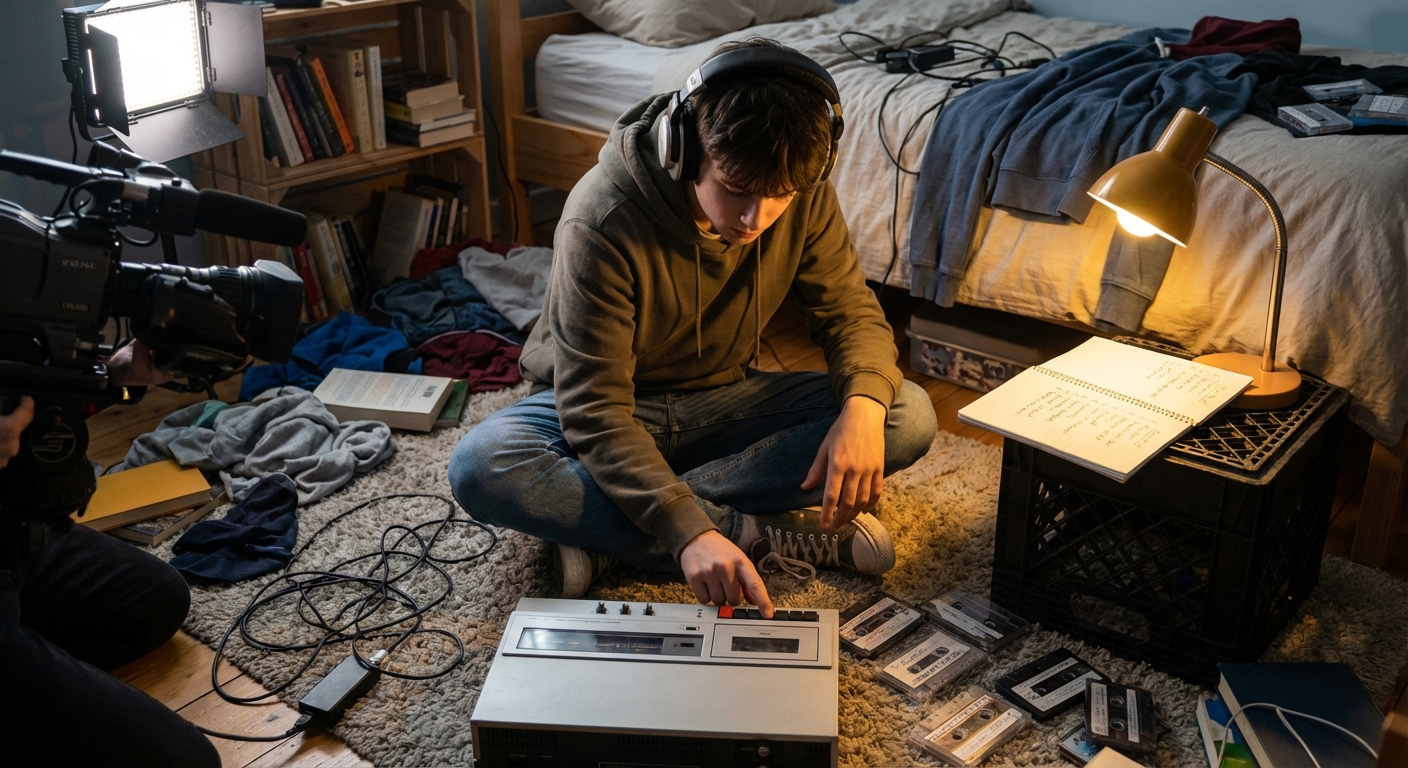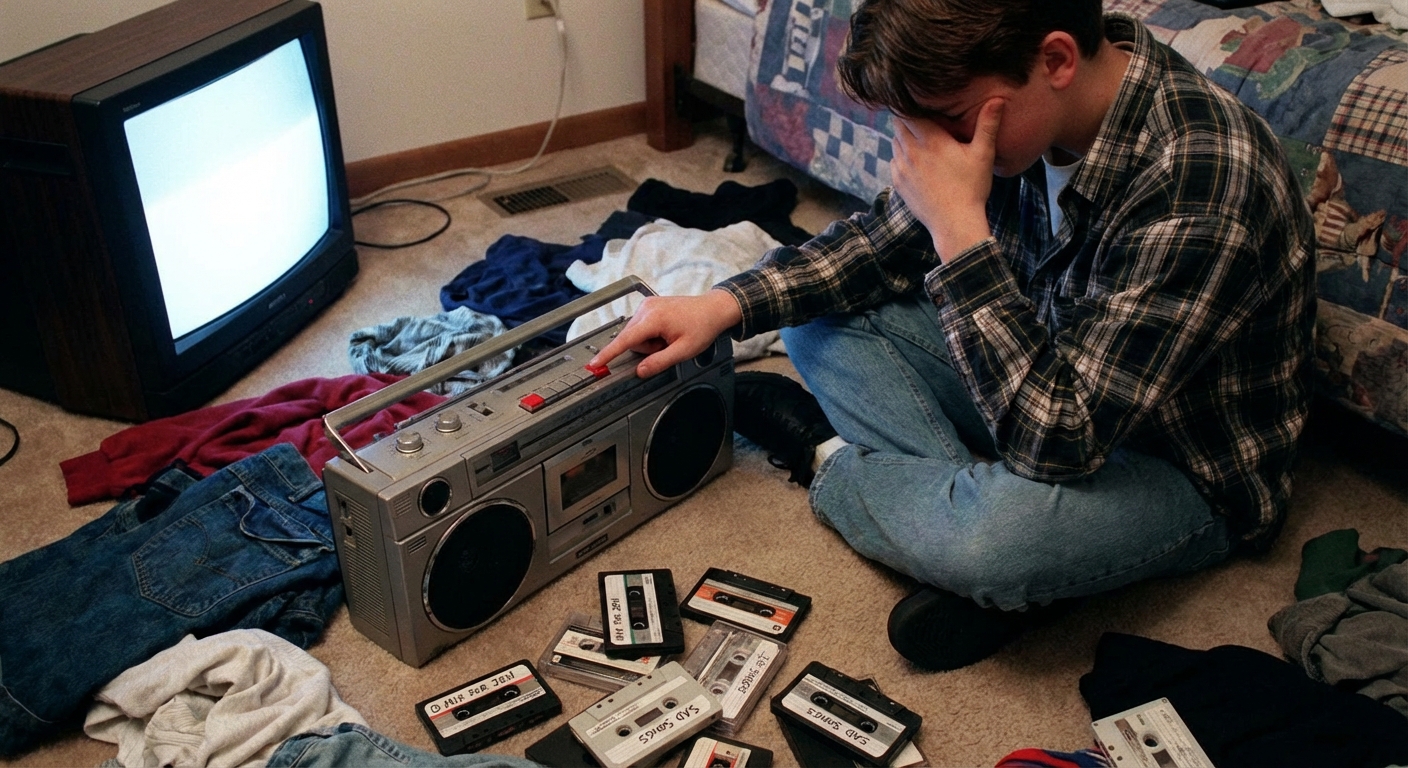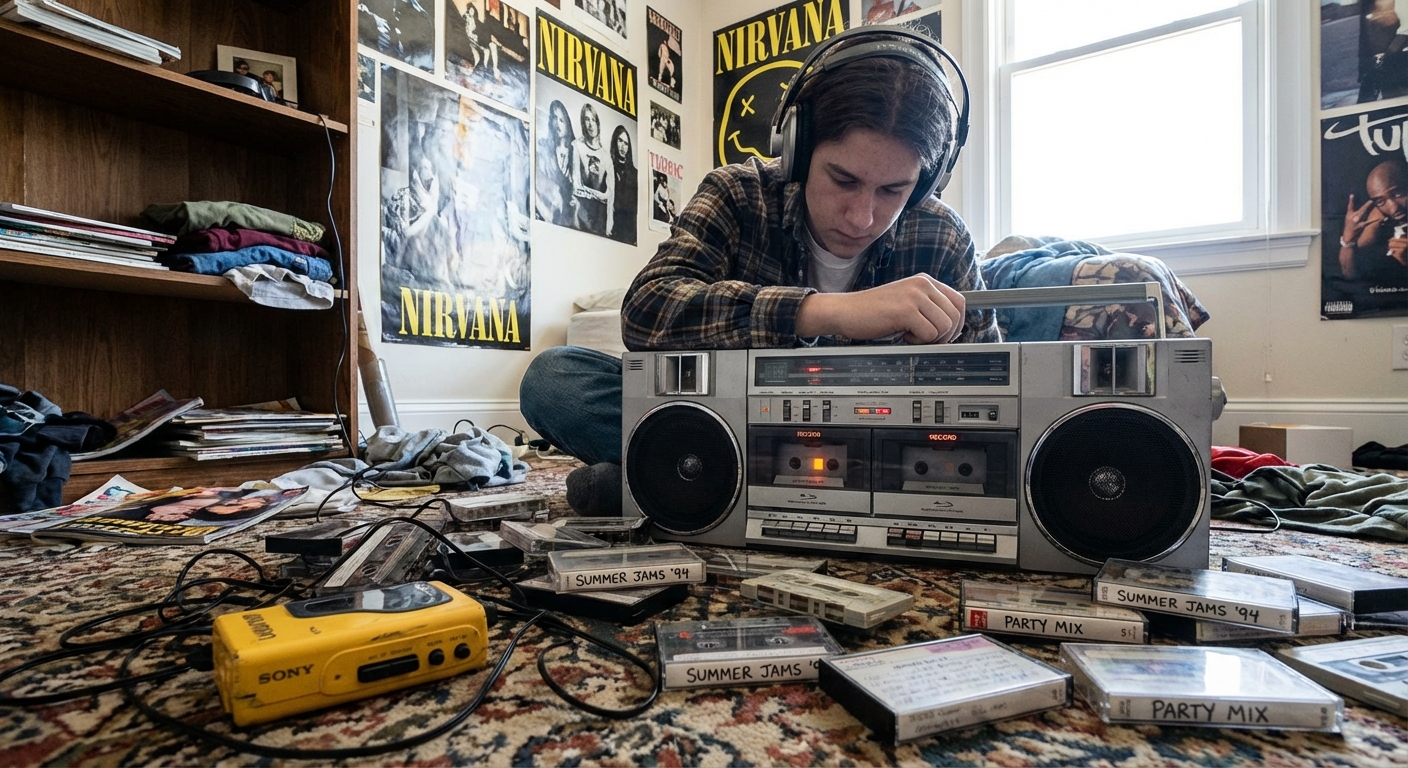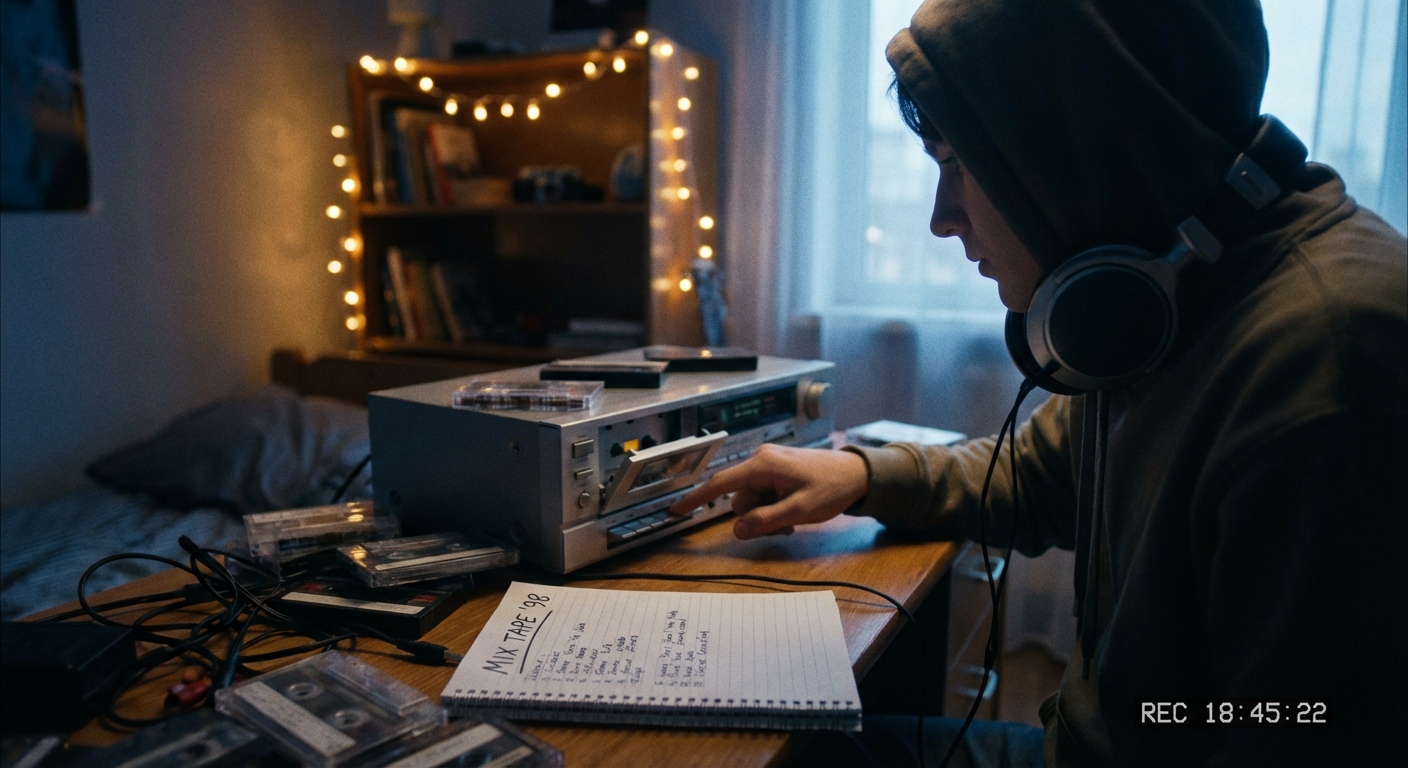
There’s a tiny, almost imperceptible sound right before a great mixtape begins: the soft mechanical clunk of the play button engaging, the whisper of spools catching tension, the faint hiss of magnetic tape waking up.
The Soft Click Before the Music
Before playlists could be summoned with a thumb, love, friendship, heartbreak, and rebellion were curated on little plastic rectangles. The mixtape wasn’t just a way to share songs; it was a format for telling stories and confessing feelings without saying a word.
This is a love letter to that era—and to the careful, crafty people who sat cross‑legged on bedroom floors, fingers hovering over record and pause.
A Brief History of Spools and Feelings
The compact cassette arrived in 1963, introduced by Philips as a convenient, portable tape solution. It wasn’t immediately cool; at first, it was meant for dictation machines and office memos.
But by the 1970s, everything changed:
- 1960s: Early cassettes, mono sound, mostly for speech.
- 1970s: Hi‑fi decks, Dolby noise reduction, and better tape formulations (like chromium dioxide) make cassettes a real contender against vinyl.
- Late 1970s: The boom box and the Sony Walkman appear. Suddenly, your soundtrack can go anywhere you do.
- 1980s–1990s: The golden age of the mixtape. Home stereos with dual tape decks, record buttons, and radio tuners turn every teenager into a bedroom DJ.
The technology matured just as youth culture got louder and more personal. Cassettes became the format of rebellion: dub your favorite band, copy your friend’s rare import, record the cool pirate radio show at 1 a.m.
And in the middle of that chaos, the mixtape found its true purpose: the most analog way to say, “I made this for you.”
The Technical Romance of Making a Tape
Mixtapes look simple—two reels, some tape, plastic shell. But under that unassuming surface, there’s a lot going on.
Tape Types: Not All Brown Ribbon is Equal
Collectors still obsess over tape formulation, and for good reason:
- Type I (Normal Bias): Ferric oxide tape. Warm, punchy, forgiving. Great for rock and punk.
- Type II (High Bias/Chrome): Chromium dioxide or cobalt-doped. Crisper highs, reduced hiss. Perfect for pop, synth, and carefully sequenced mixes.
- Type III (Ferro-Chrome): Hybrid tape that never quite caught on. Now a quirky collector’s curiosity.
- Type IV (Metal): The premium stuff—wide dynamic range, rich bass, sparkling highs. Ideal for serious mix engineers and sonic perfectionists.
The choice of tape was part science, part personality test. Were you a scrappy Type I kid—using whatever you could afford from the drugstore bargain bin—or a meticulous Type IV fanatic who hoarded sealed TDK MA‑Rs like treasure?
The Ritual of the Record Button
Unlike digital drag‑and‑drop, mixtape-making was a real-time craft:
- Tracklist Planning: Scribbled on notebook paper, in pencil, with arrows and cross‑outs as you changed your mind about the opener.
- Level Setting: Adjusting input levels so your loud punk track didn’t distort and your quiet ballad didn’t disappear.
- The Pause-Button Edit: Hitting pause between songs to avoid radio DJ chatter or unwanted commercials.
- Timing Side A & B: Using the tape counter and your album sleeves to predict whether that 5:32 closer would fit before the tape snapped off.
Every imperfection—a clipped intro, a faint radio jingle under a song, a sudden volume shift—became part of the tape’s fingerprint.
Cultural Currency: Tapes as Social and Emotional Objects
Mixtapes were more than objects; they were social documents.
Love Letters Without Paragraphs
Giving a mixtape was an emotional gamble. You were saying:
“I think these songs are us. Do you agree?”
The stories are universal:
- The crush who made you a tape of bands you’d never heard of, each lyric suspiciously on‑the‑nose.
- The carefully sequenced breakup tape that started with defiance and ended with quiet resignation.
- The long-distance mix titled something like For When You Miss Me (And I Miss You More).
You could read intention in the details: Did they hand‑write the tracklist? Did they decorate the J‑card? Did they put a goofy novelty track at the end of Side B so you’d laugh instead of cry?
Subcultures on Spools
Tapes also carried entire communities:
- Punk & Hardcore: Live bootlegs, rehearsal tapes, and DIY label releases.
- Hip-Hop: Street-level mixtapes that broke artists long before they hit radio.
- Indie & College Rock: Hand‑copied tour tapes sold for gas money.
For collectors today, these artifacts are field notes from scenes that might have vanished without magnetic tape to catch them.
Anecdotes from the Collectors’ Shelves
Talk to cassette collectors and they’ll show you more than just rare shells—they’ll show you timelines of their lives.
You’ll hear stories like:
- The Perfect Mistake: Someone mis-timed Side A, cutting off the last chorus of a song. It bugged them for years—until they realized they now expect that song to end abruptly. The “wrong” version became the right one.
- The Ghost DJ: A mixtape recorded off late‑night radio, with a mysterious DJ introducing underground bands. Decades later, the station is gone, the DJ disappeared—but the tape preserves a tiny, nocturnal universe.
- The ‘Who Was I?’ Box: A shoebox of unlabeled tapes found at a flea market—random snippets of radio, a kid’s voice practicing French verbs, then suddenly a perfect, moody sequence of post‑punk songs. A stranger’s lost mixtape, adopted by a new listener.
In every case, the appeal isn’t just sonic; it’s archaeological. Each tape is a clue to someone’s taste, habits, and emotional weather.
Why Mixtapes Still Matter in a Playlist World
We can make playlists in seconds now, with infinite skips and zero hiss. Why do mixtapes still hold such power?
- Scarcity: A 60‑minute tape means you must choose carefully. Not everything fits.
- Commitment: Recording in real time feels like an investment, not a swipe.
- Tactility: You can hold it, flip it, hear it age. The warble and hiss become part of the story.
- Context: A mixtape isn’t just what you listened to; it’s when and how you heard it.
For many, digitizing old tapes is less about preserving songs (which are often easily streamable) and more about saving context: the radio static, the room tone, the hidden messages between tracks.
Keeping the Spools Turning
If you still have mixtapes:
- Fast‑forward and rewind them occasionally to keep the tape from sticking.
- Store them upright away from heat and magnets.
- Digitize the ones that matter most, but don’t feel you have to clean them up too much. The hiss is part of the memory.
And if you’ve never made one, dust off a tape deck, grab a blank, and try. Sit down, choose 12–16 tracks with intention, hit record, and accept the mistakes.
That’s the secret no algorithm ever admits: the magic of a mix isn’t in its perfection; it’s in the sound of someone caring enough to press play, record, and wait.