Mixtapes rarely get credit for how much they changed the way we experience music. They’re often framed as cute relics—crush tokens or road-trip souvenirs—but their influence runs much deeper.
Mixtapes: The Secret Architects of Our Listening Habits
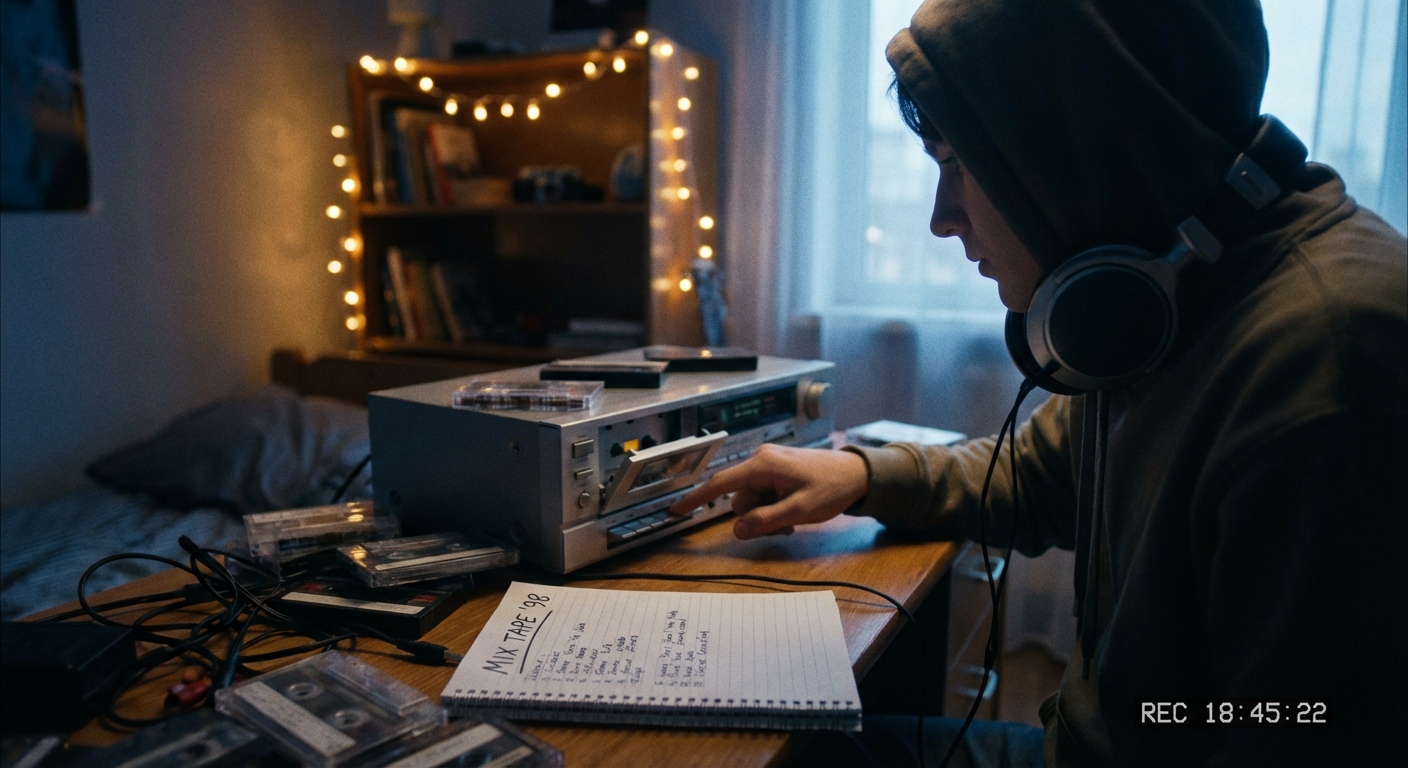
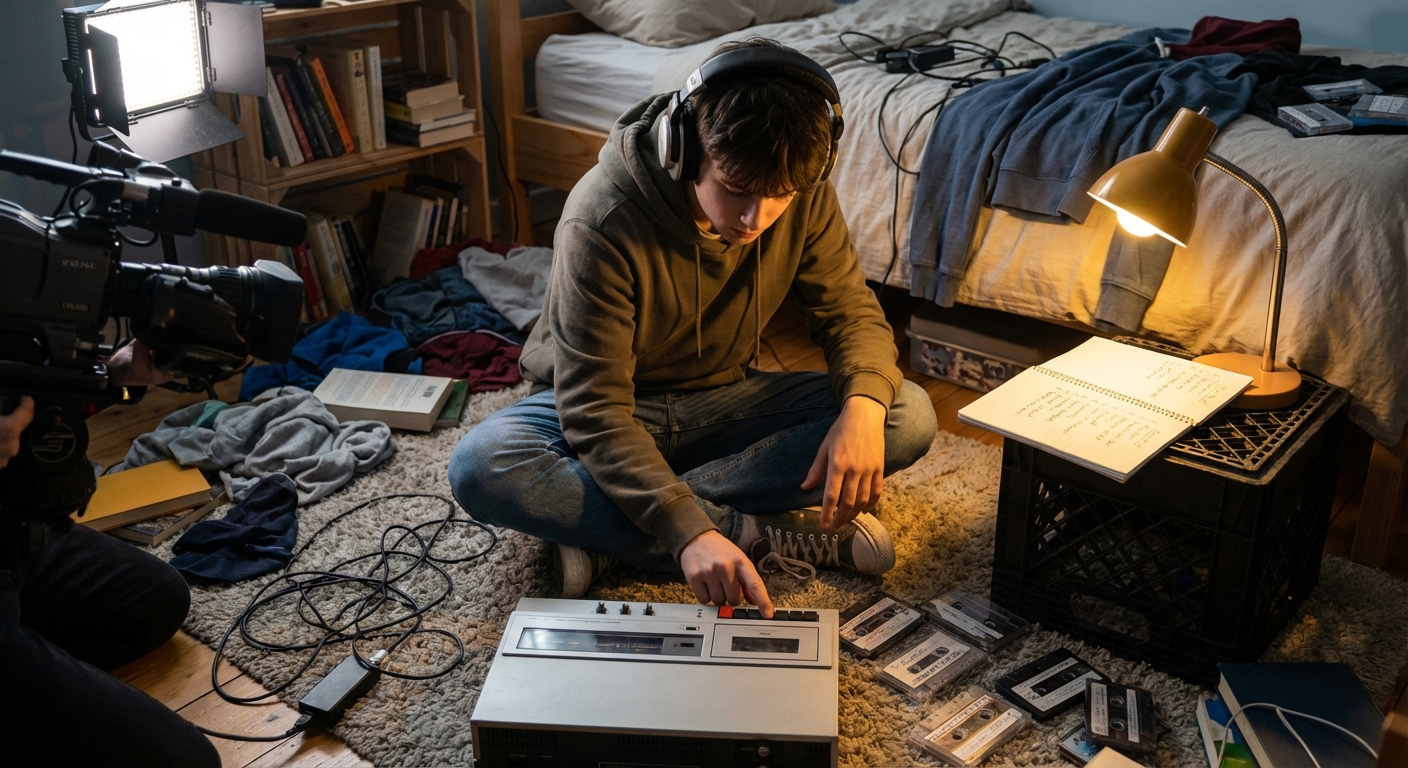
Before algorithms and instant playlists, there were bedroom DJs with dual decks and a pause button. Their mixes quietly reshaped taste, birthed scenes, and rewired how we think about albums, singles, and discovery.
Here are twelve ways mixtapes left fingerprints all over music culture.
1. They Turned Listeners into Curators
Long before “content curation” became a job title, mixtape-makers were doing it for fun.
Creating a mix required:
- Digging through stacks of records and CDs
- Sequencing tracks for flow, not just popularity
- Thinking about mood, narrative, and pacing
The act of making a tape trained a generation to think like DJs and editors: “What belongs next? How do I keep someone listening?”
That mindset—now embedded in everything from streaming playlists to radio programming—was honed on cheap 90-minute blanks.
2. They Soft-Launched Shuffle Culture
The album used to be the primary way bands wanted to be heard: tracklists were sacred, sequences deliberate.
Mixtapes quietly undermined that hierarchy.
By plucking individual songs from different albums, mixtape makers normalized:
- Taking tracks out of context
- Mixing genres in a single sitting
- Discovering bands through “that one song from that one tape”
Sound familiar? Modern shuffle buttons and playlist culture are mixtapes turned into software.
3. They Built Underground Distribution Networks
Some entire scenes lived and died on tape.
- Punk & Hardcore: Demos and live sets handed out at shows and mailed between zines.
- Metal: Rough rehearsal tapes circulated globally through pen-pal networks.
- Hip-Hop: Street-level mixtapes and DJ blends that spread far faster than any official release.
These tapes:
- Broke new artists
- Allowed fans to hear bands they’d never see live
- Let scenes evolve in conversation with distant peers
In a sense, mixtapes were analog social media feeds, updating fans on what was bubbling up in basements and backrooms.
4. They Democratized the DJ Role
You didn’t need a club or a mixer to be a DJ. You just needed:
- A dual cassette deck
- Time
- Taste (or at least opinions)
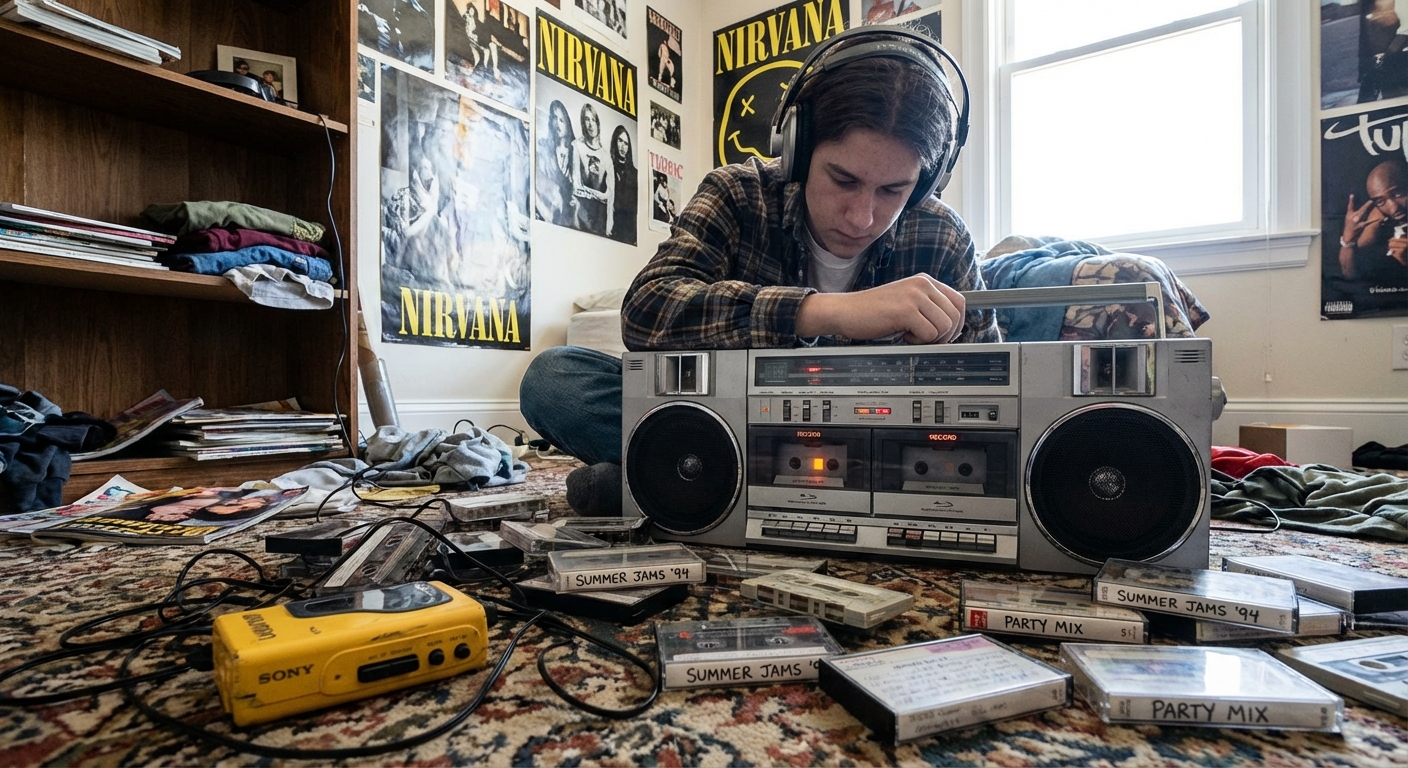
Teenagers became resident DJs of their friend groups, crafting:
- Party tapes
- Chill-out tapes
- “Bus ride” mixes timed exactly to their commute
This DIY DJ culture shaped how we talk about music today. We still crown friends as “the one with the best playlists”—the modern echo of “the friend who makes the best tapes.”
5. They Trained Us to Listen in Arcs, Not Singles
Despite their role in liberating songs from albums, mixtapes didn’t kill structure. They created new kinds of structure.
A great tape wasn’t just a pile of tracks; it was:
- A cold open (grab attention)
- A rising action (build energy)
- A pivot (change mood, introduce tension)
- A resolution or cliffhanger (end memorably)
This taught listeners to appreciate how songs can talk to each other across genres and artists. Today’s best playlists, DJ sets, and even festival lineups still follow this emotional arc blueprint.
6. They Turned Love and Friendship into Playlists (Before That Word Existed)
The idea that you’d express affection by sending someone a list of songs seems obvious now. But in the analog era, that idea had a medium: the mixtape.
You didn’t just say, “I like you.” You said:
- “I recorded this for you in real time.”
- “I thought about what you’d feel at minute 5, minute 30, minute 44.”
The tradition of:
- “Songs that are us”
- “Our summer soundtrack”
- “For when you can’t sleep”
all trace back to putting magnetic tape where your heart was.
7. They Accidentally Preserved Ephemeral Radio Culture
Mixtapes recorded off-air are accidental time capsules.
Hidden between the songs you actually meant to capture are:
- Old jingles and station IDs
- Commercials for defunct stores
- Local DJs rambling about weather and weekend shows
For cultural historians and collectors, these random snippets are gold. They document:
- Regional scenes and college stations
- Pirate radio operations
- Forgotten trends and slang
Your sloppy late-night radio mixtape might now be the only surviving evidence a certain DJ or show ever existed.
8. They Normalized Bootlegs and Fan-Driven Archiving
Before everyone had a camera and a cloud, dedicated fans had:
- A handheld recorder
- A blank tape smuggled into a show
Live bootlegs on cassette:
- Captured legendary performances that were never officially released
- Spread rare tracks and alternate versions
- Encouraged bands to take their live reputations seriously
Some artists, especially in punk and indie circles, openly embraced this culture, seeing tapes as proof that people cared enough to archive them.
9. They Shaped Gear and Design
Mixtape culture didn’t just rely on hardware; it influenced it.
Manufacturers responded with:
- Dual cassette decks with high-speed dubbing
- Stereo systems that combined radio, turntable, and dual tape for one-stop mixtape studios
- Walkmans with auto-reverse and “mega bass” for mix-friendly headphone listening
Even the aesthetics—fluorescent labels, bold fonts, metallic shells—were designed to appeal to people who wanted their blank tapes to feel special.
10. They Made Scarcity Part of the Story
Unlike infinite digital playlists, a tape’s hard limit—60, 90, or 120 minutes—was non-negotiable.
This scarcity:
- Forced hard choices: which song stays, which one goes
- Made every inclusion feel like an endorsement
- Gave Side A vs. Side B a subtle emotional weight
Collectors often describe old tapes as “personality snapshots,” precisely because those constraints required so much deciding and discarding.
11. They Left Ghosts in Today’s Streaming Services
Modern platforms might be digital, but their rituals whisper “mixtape” everywhere:
- User playlists with themed titles and mood descriptions
- Collaborative playlists that mirror passed-around tapes
- Playlist sequencing that tries to mimic the unfolding logic of a great Side A
Even the idea of “discover weekly” owes something to the friend-with-the-good-tapes archetype—a trusted human or semi-human source curating your week.
12. They Keep Analog Craftsmanship Alive
In an age of frictionless music consumption, the handmade mixtape still holds an almost rebellious charm.
Current tape culture includes:
- Indie labels releasing new albums on limited-edition cassettes
- Artists selling “tour tapes” with exclusive mixes
- Fans trading analog mixes as ultra-personal gifts
The tools have improved (better decks, higher-quality tapes, digital sources), but the core magic remains:
- Time invested
- Choices made under constraint
- A physical object that can be held, lost, found, and cherished
Rewinding the Legacy
We may stream more than we spool, but our musical habits still carry cassette DNA. From the way we group songs to the way we tell people, “This made me think of you,” the mixtape’s influence hums quietly under the surface.
So the next time you drag a song into a playlist or send a link to someone you love, remember: you’re reenacting a ritual that started with clunky plastic shells, whirring heads, and that soft, magical click of Side A beginning.