Send someone a playlist link and they get instant access: 50 tracks, zero friction, no waiting.
Two Ways to Share a Song
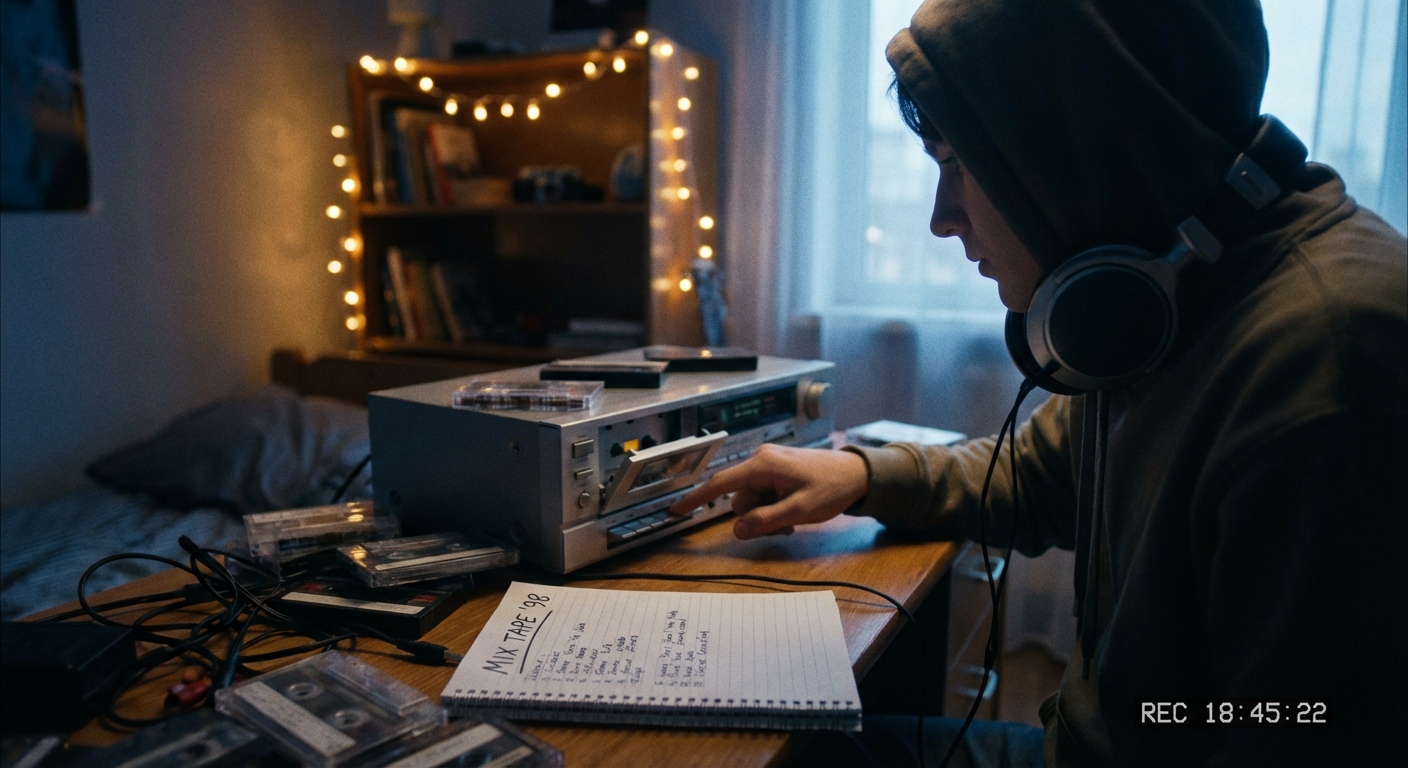
Hand someone a mixtape, though, and something else happens. There’s weight, texture, commitment. They have to find a deck, press play, and live through Side A in order.
On the surface, playlists are just mixtapes without the plastic. In practice, the experience is wildly different.
Let’s rewind and compare.
1. Effort: Drag-and-Drop vs. Real-Time Ritual
Making a Playlist
- Drag tracks from a search box or your library.
- Rearrange instantly.
- Duplicate and tweak versions.
- Done in minutes.
Making a Mixtape
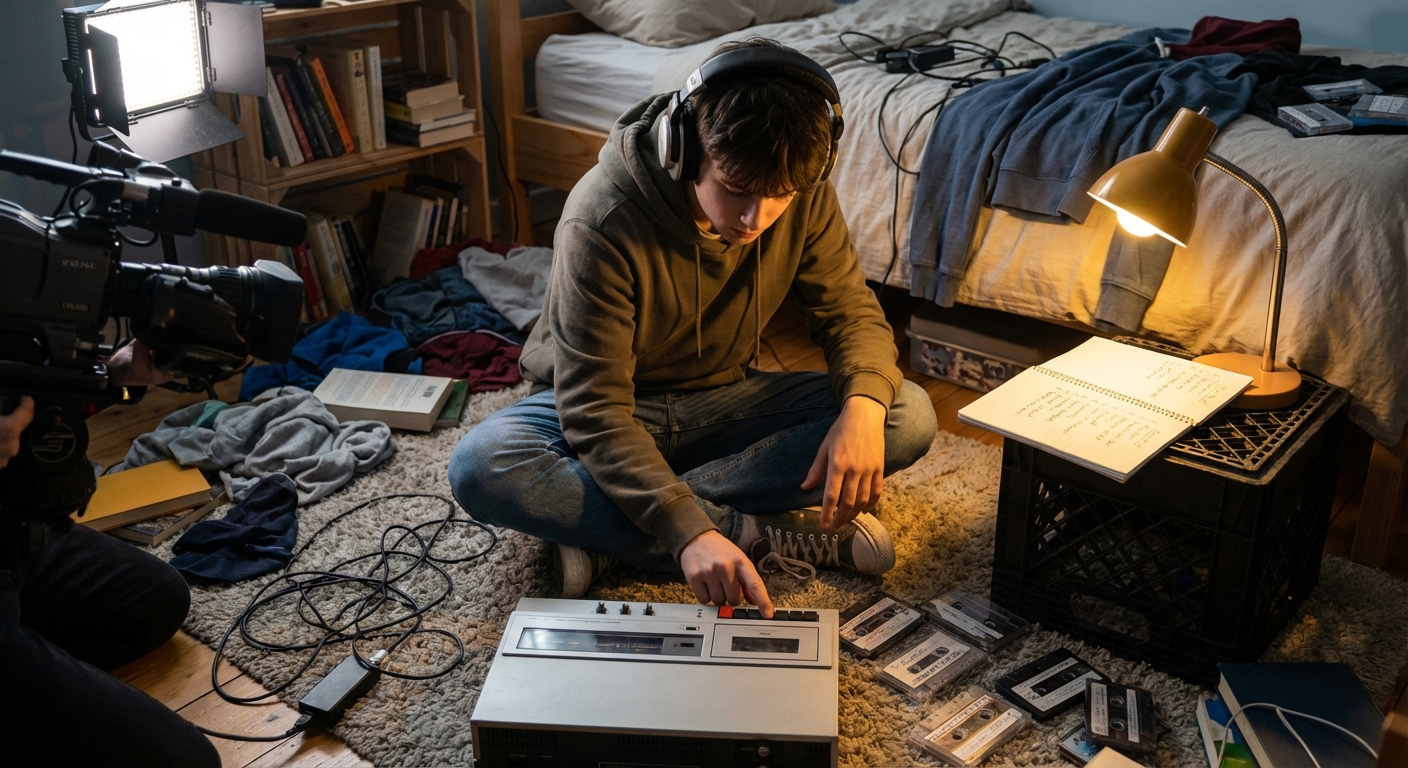
- Plan a tracklist with a pen and paper.
- Set recording levels.
- Press record and wait in real time.
- Flip the tape, continue on Side B.
The old process was slower, but that slowness was a feature. It created a sense of making rather than assembling.
Collectors often say they remember exactly where they were while recording certain tapes—a rainstorm outside, a sibling yelling in the hallway, the feel of the deck’s buttons. It’s hard to remember where you were when you clicked “add to playlist.”
2. Constraints: 90 Minutes vs. Infinity
Playlists can be any length. That freedom is powerful—and paralyzing.
Mixtapes had fixed durations:
- C60 = ~30 minutes per side
- C90 = ~45 minutes per side
You had to:
- Decide which songs deserved space
- Consider whether a 7-minute epic was worth the runtime
- Strategically place shorter tracks to fill the last few minutes
This made every selection feel heavier. A spot on Side A was prime real estate. Songs earned their position; they didn’t just drift in indefinitely.
Today’s super-sized playlists often become background noise. A 60-minute tape rarely did—it was a statement.
3. Sequence and Skipping: Linear vs. On-Demand
With a tape, you can technically fast-forward, but it’s clunky:
- You guess where the next track starts by timing or watching the tape move.
- You often overshoot, rewind a bit, and hope you’ve landed close enough.
That friction encourages people to stick with the sequence. The tape maker knows this, so they treat the order like a narrative:
- Thoughtful openers
- Carefully placed mood shifts
- Closer tracks that reward full listening
Playlists, with their near-frictionless skipping, encourage cherry-picking. You can still craft an arc, but listeners are less obligated to respect it.
On tape, a weak track in the middle was a real liability; on a playlist, it’s just a skip.
4. Sound Texture: Hiss and Warble vs. Clean Streams
Mixtapes bring their own sonic fingerprints:
- Tape hiss as a constant, gentle bed of noise
- Occasional dropouts or wow and flutter
- Slightly softened transients and rolled-off highs
That texture adds a sense of place. It feels like:
- A car stereo on a nighttime drive
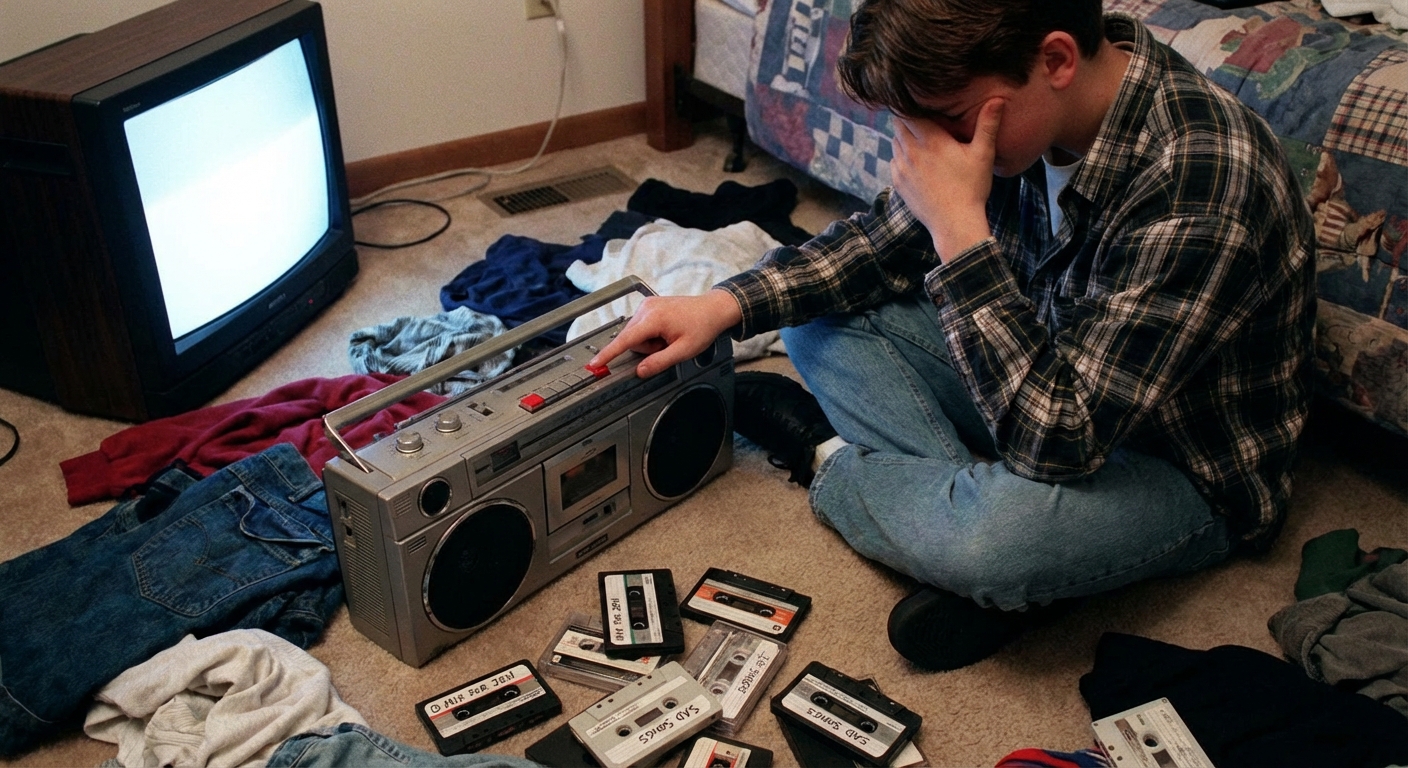
- A boombox on a bedroom floor
- A Walkman humming at the edge of your hearing as you fall asleep
Streaming is sonically cleaner—no question. But clean isn’t always more emotionally resonant. The imperfections of tape can make songs feel closer, less clinical.
Many people report that when they digitize their old tapes, it’s the combination of music + noise + room tone that hits hardest.
5. Ownership: Files in the Cloud vs. Objects on the Shelf
Playlists exist in accounts. They’re:
- Tied to logins
- Subject to licensing changes
- Vulnerable to app redesigns and disappearing tracks
Mixtapes exist in the physical world:
- You can misplace them
- Lend them
- Find them years later in a box
The object-ness matters. A tape:
- Ages
- Gets scuffed
- Carries smells (old cardboard, basement dust, plastic)
All of that becomes part of the listening experience. A playlist never smells like the drawer you found it in.
6. Social Signals: Share Link vs. Here, I Made This
Sending a playlist link is lovely, but low friction:
- It might have taken 5 minutes or 5 hours; the receiver can’t tell.
- It can be mass-shared without context.
Handing someone a mixtape, especially in the analog era, communicated something different:
- "I spent real time on this."
- "I chose each track knowing you couldn’t skip easily."
- "I wrote these song titles on this tiny J-card until my hand cramped."
Even the logistics were intimate:
- Mailing a tape across the country in a padded envelope
- Swapping tapes in person at lockers or shows
That scarcity of copies and effort of delivery intensified the emotional charge.
7. Accidents and Artifacts: Serendipity vs. Controlled Experience
Mixtapes often captured more than you meant to record:
- Snippets of DJ chatter
- A half-cut advertisement
- A roommate shouting in the background
- The click of the pause button
These sonic accidents became part of the “album.” They were inseparable from the songs in your memory.
Playlists, by contrast, are tidy and modular. You can remove a track with no trace it was ever there. Nothing accidental sticks.
For collectors and nostalgics, those stray sounds are half the appeal. They’re unintentional diary entries in magnetic ink.
8. Discovery: Tape Trading vs. Algorithmic Suggestions
Today, you discover new music by:
- Algorithmic recommendations
- Auto-generated mixes
- Social media snippets
Back then, you discovered new music by:
- Trading tapes with friends
- Getting a mix from an older sibling or cool cousin
- Dubbed copies of someone’s favorite college radio show
The psychology is different:
- Algorithms offer “people like you also liked...”
- Human-made tapes said “I thought you specifically would like this.”
That difference—general vs. personal—changes how it feels to encounter a new band in the middle of Side B.
9. Memory: Bookmarking vs. Time Travel
Playlists are malleable. You edit them, reorder them, remove outgrown songs. They evolve with you.
Mixtapes are fixed. Once recorded, they don’t easily change.
That fixedness turns them into time capsules:
- A crush mix from 1994 is forever 1994.
- The sequence, the songs, even the flaws are locked in.
When you hit play years later, you’re not just revisiting the music—you’re hearing past-you make decisions.
A playlist from five years ago probably isn’t preserved intact; a tape from 30 years ago usually is, or it’s gone completely. That all-or-nothing reality makes survivors powerful artifacts.
10. Craft: Editing as an Art vs. Infinite Undos
Mixtape editing was an exercise in commitment:
- Mess up the first track? Start over.
- Realize track 5 kills the mood? You either live with it or redo the whole side.
This limitation paradoxically encouraged creativity:
- Pause-button edits mimicking early beatmatching
- Carefully timed overlaps to fade one song into another
- Clever use of intros/outros to “talk” between tracks
Playlists allow infinite revision, which often leads to infinite tinkering and fewer truly finished works.
So… Is One Better?
Not really—they’re built for different eras and needs.
- Playlists are incredible for breadth, flexibility, and spontaneous sharing.
- Mixtapes excel at depth, commitment, and tangibility.
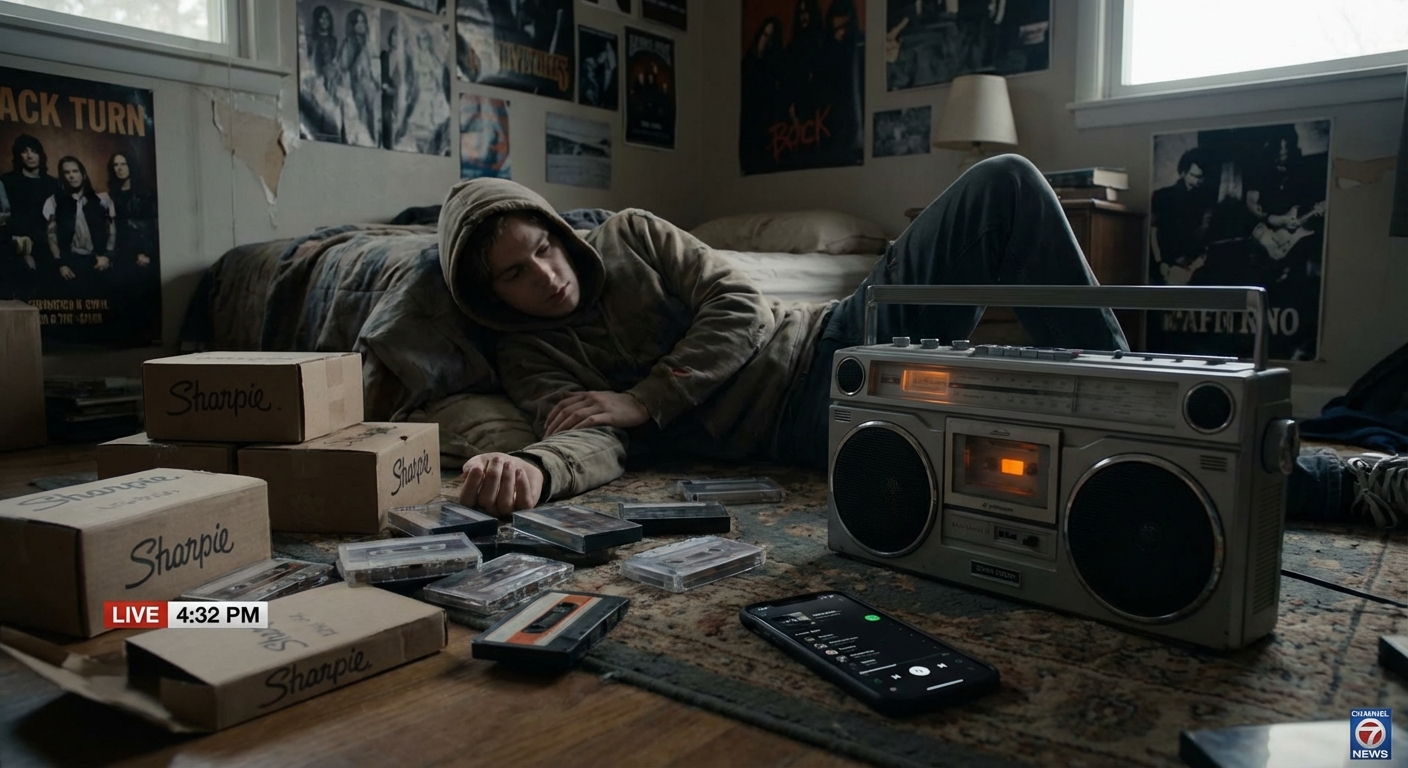
But understanding their differences explains why so many people with every song ever streamed at their fingertips still:
- Keep boxes of old tapes
- Buy new blanks to make fresh analog mixes
- Miss the soft clunk of a deck engaging and the anticipation of Side B
The next time you build a playlist, try borrowing a few analog instincts:
- Limit yourself to 60 or 90 minutes.
- Commit to an order and don’t change it for a month.
- Write a little “J-card” description in the playlist notes.
You might find that even in a skip-happy world, a bit of hiss-era discipline makes the music hit just a little harder.