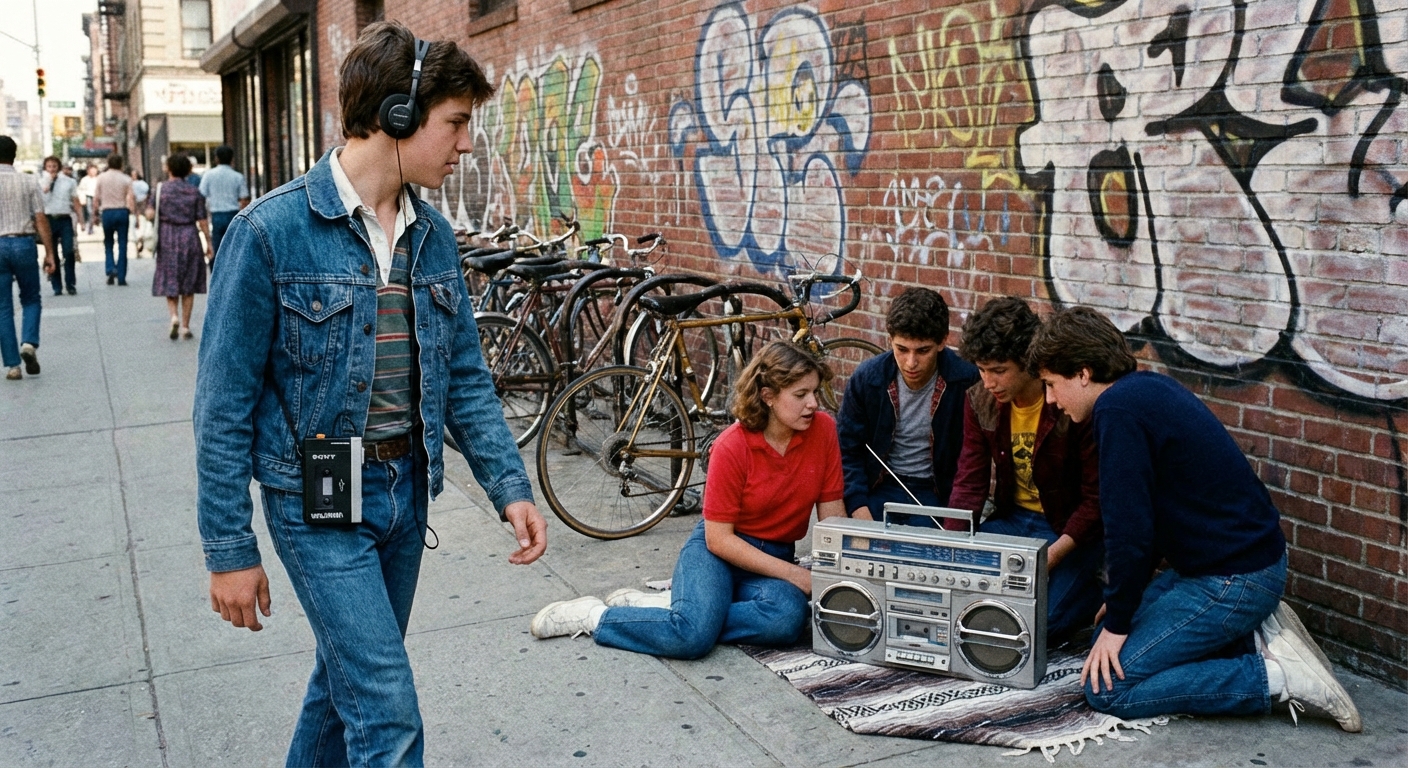
Long before playlists lived in the cloud, they rattled inside tiny plastic shells. Cassettes didn’t just store music; they rewired how people made, shared, and thought about sound. In the 1970s and 80s, cassette culture transformed bedrooms into studios, photocopiers into art departments, and post offices into distribution hubs.
The Quiet Click That Changed Everything
Cassette culture wasn’t a side note to music history—it was a revolution running at 1⅞ inches per second.
From Dictation Device to DIY Power Tool
When Philips introduced the compact cassette in 1963, it was meant for speech: office dictation, language tapes, educational use. The early machines were noisy, the tape was hissy, and no one expected hi-fi miracles.
But a few key upgrades changed the game:
- Stereo playback and recording turned cassettes from office tools into personal music devices.
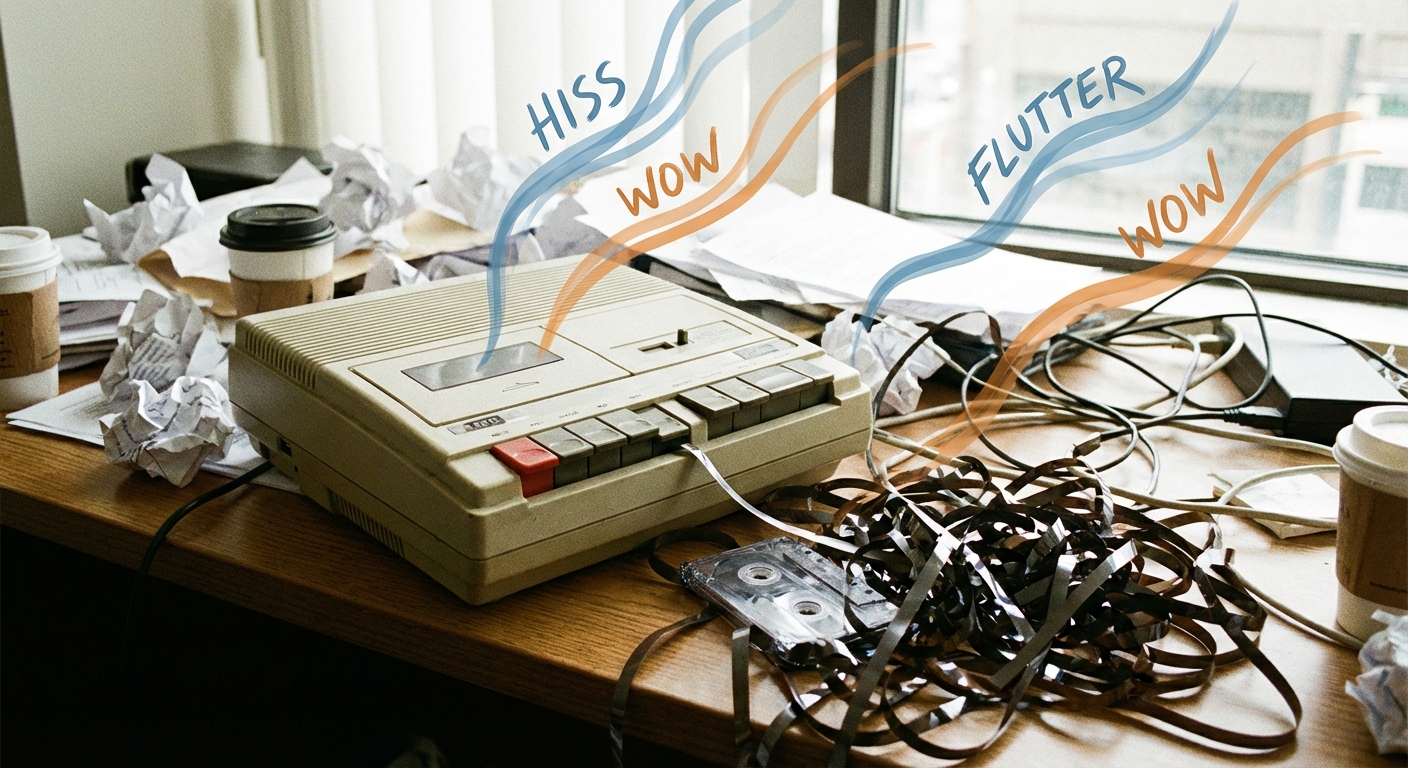
- Dolby B noise reduction (and later C, S) tamed hiss, making tape sound cleaner and more musical.
- Chromium dioxide and metal tapes extended frequency response and improved dynamic range.
By the mid-70s, the cassette wasn’t just convenient—it sounded good enough to challenge vinyl for daily listening. At the same time, cassette recorders got cheaper and more available. Suddenly, recording an album didn’t require a studio booking. You just needed a dual-deck or a four-track, a few microphones, and a head full of ideas.
Mail Art, Maxell, and the Rise of the Home Label
Cassette culture really bloomed in the late 70s and 80s, overlapping with punk’s do-it-yourself ethos. If punk said “anyone can start a band,” cassettes replied, “and anyone can start a label.”
Whole ecosystems emerged:
- Home labels run from kitchen tables, where one person duplicated tapes, designed covers, and handled mail orders.
- Mail art networks where artists traded cassettes, zines, and collages, forming global communities without ever meeting in person.
- Tape trading circles, especially in metal and experimental scenes, where demos, live sets, and unreleased material circulated hand-to-hand.
A typical exchange might look like this: you read a review of a mysterious tape label in a zine, mail them a few dollars and a letter, and a couple of weeks later, a hand-dubbed cassette arrives—sometimes with a note, often with strange art, always feeling oddly personal.
Technical Magic in a Plastic Shell
Cassettes feel simple, but they’re small engineering miracles.
A compact cassette is:
- 3.81 mm-wide magnetic tape running at 1⅞ ips (4.76 cm/s)
- Two channels (left/right) laid side by side
- Two “sides” of the tape—Side A and Side B—sharing the same strip of tape, flipped over by rotating the shell
Tape formulations evolved through distinct types:
- Type I (Normal bias, ferric) – Warm, forgiving, slightly noisy
- Type II (Chrome / cobalt-doped) – Brighter, better high frequencies, lower hiss
- Type III (FeCr) – Rare hybrid; mostly a historical curiosity
- Type IV (Metal) – High-end, punchy, wide dynamic range; prized by hi-fi fans
Good decks added:
- Dolby noise reduction to fight hiss
- Auto bias calibration to optimize recording levels
- Three-head designs for monitoring the recording as it was being made
Casual listeners just heard the music. Tape nerds heard the physics.
The Art of the Mix: Curating Feelings, Not Files
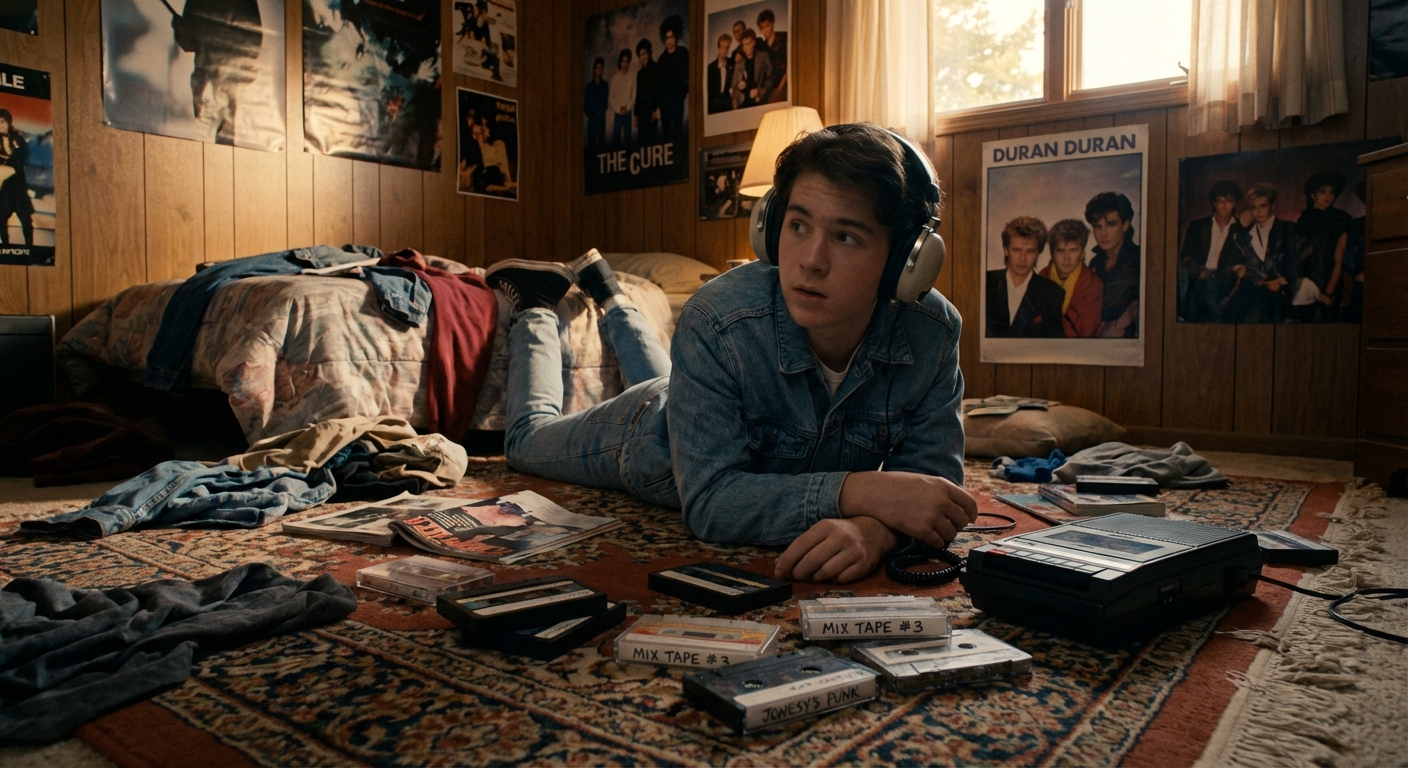
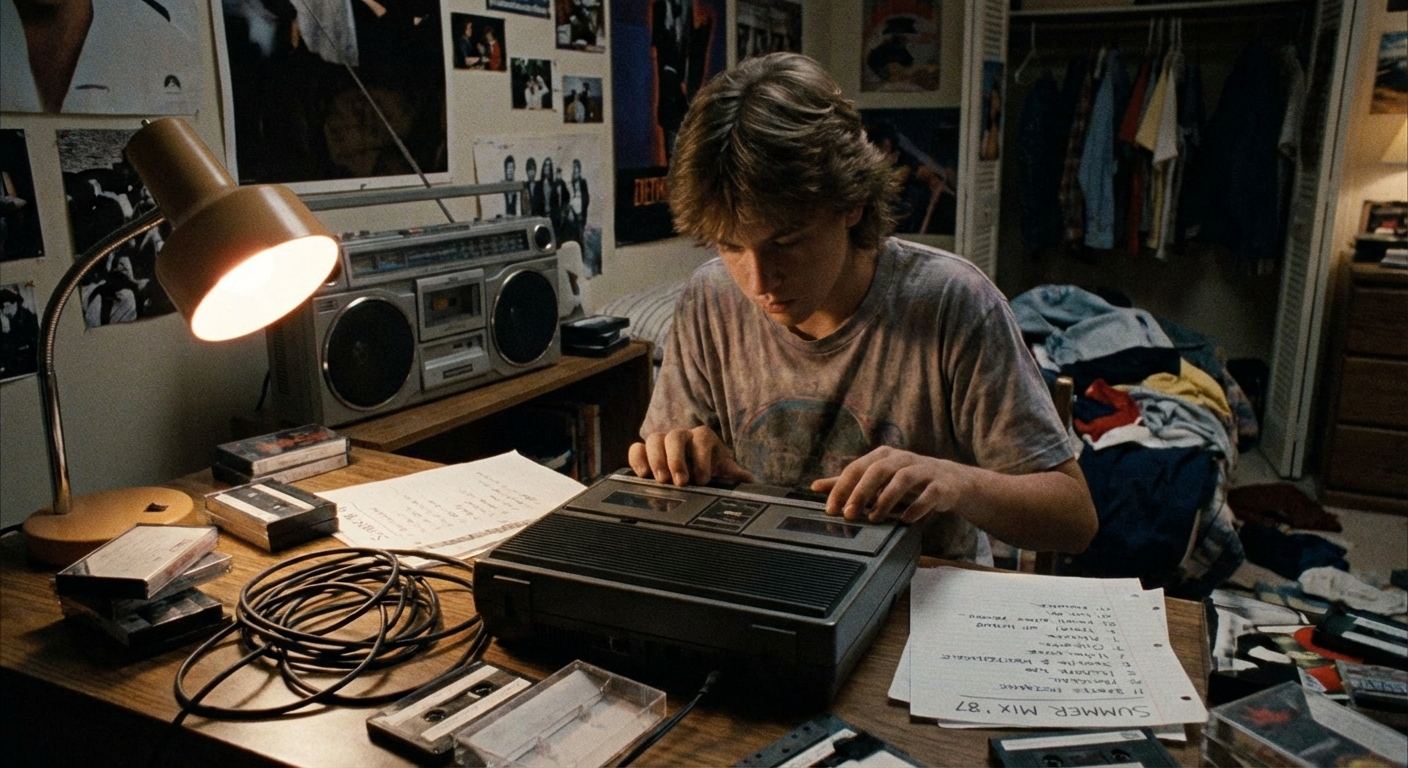
Making a mixtape was an act of care. You didn’t just drag tracks into a playlist; you lived inside the time limits of Side A and Side B.
There were rules (spoken or not):
- Don’t waste the last 10–20 seconds of tape—find a short track or fade something artfully.
- Pace the emotional arc: opener, early hook, surprise on track 3, deep cut in the middle, strong closer.
- Never put two songs in the same key and tempo back-to-back unless the transition worked.
The physicality shaped the creativity. You heard the faint clunk between songs, the hiss between quiet passages, the slight warble if the tape was worn. These imperfections added a kind of living texture that sterile digital files never quite replicated.
Collector Lore: The Joy of the Hunt
Talk to cassette collectors and the stories spill out like loose tape.
One will tell you about stumbling on a shoebox of obscure industrial tapes at a flea market—hand-stamped labels, photocopied J-cards, unknown bands whose members might not even remember recording them.
Another will recall scouring thrift stores for mislabeled tapes, hoping that "Assorted Rock" might secretly be a long-lost local punk demo.
A few prized finds in cassette culture circles:
- Home-dubbed live shows never released elsewhere
- Local scene compilations capturing a whole town’s sound circa 1987
- Tape label oddities with hand-painted shells or fabric-wrapped cases
For collectors, value isn’t just about rarity; it’s about the story: who made this, why did they bother, and how did it survive three decades in someone’s closet?
Cassette Culture’s Cultural Imprint
Cassette culture did more than democratize recording—it rewrote the rules of cultural distribution.
- Local scenes documented themselves. Punk, hardcore, noise, DIY pop—many survived because someone shoved a recorder in the corner of the room.
- Non-Western music traveled more easily. Bootleg and unofficial tapes carried regional music across borders long before streaming platforms cared.
- Sampling and collage got weirder. Tape-to-tape edits, pause-button tricks, and cut-and-paste experiments were precursors to modern remix culture.
Even the idea of the demo—a rough, unpolished preview—owes much to the cassette era, where being “lo-fi” was more about budget and urgency than aesthetic branding.
The Analog Afterlife: Why Cassettes Still Matter
Despite streaming’s convenience, cassette culture has quietly resurfaced.
New bands release limited tapes because:
- They’re affordable to produce in small runs.
- They’re tactile souvenirs at shows.
- They demand intentional listening—you sit with an album, not just skip around.
Meanwhile, boutique labels reissue underground classics on cassette, and tape decks are being repaired, refurbished, and occasionally even manufactured anew.
The nostalgia is real, but it’s not only about the past. Cassette culture still represents a particular kind of intimacy: a format small enough to slip into a pocket, cheap enough to experiment with, personal enough to carry the fingerprints of everyone who handled it.
Press Play on the Future
Rewinding the story of cassette culture isn’t just about revisiting retro tech. It’s about remembering a time when limitations sparked invention: when tape hiss, side lengths, and mechanical buttons gave shape to creative decisions.
Every hand-dubbed tape, every scuffed shell, every ink-smudged J-card is a tiny manifesto: you don’t need permission, a major label, or perfect fidelity to make something meaningful.
All you need is a deck, a blank, and the urge to hit record.