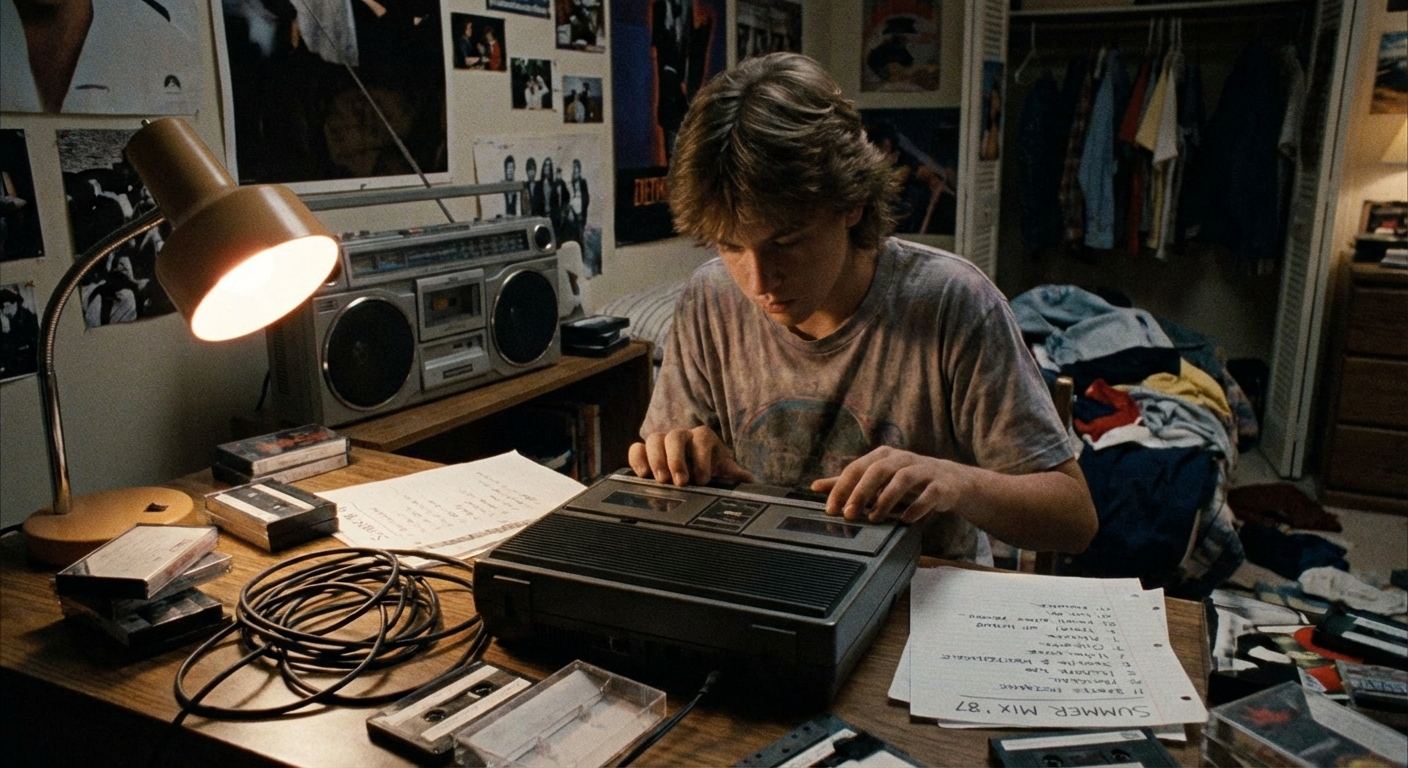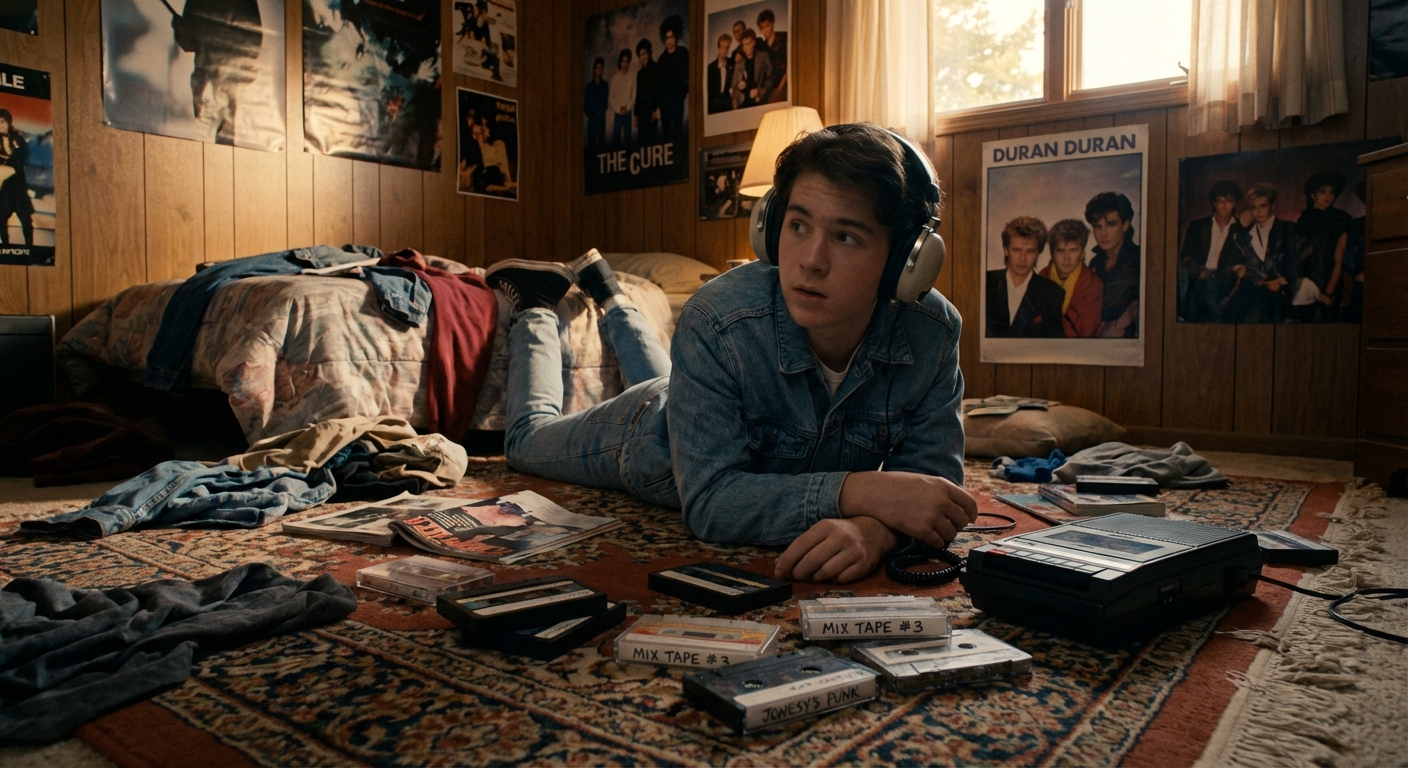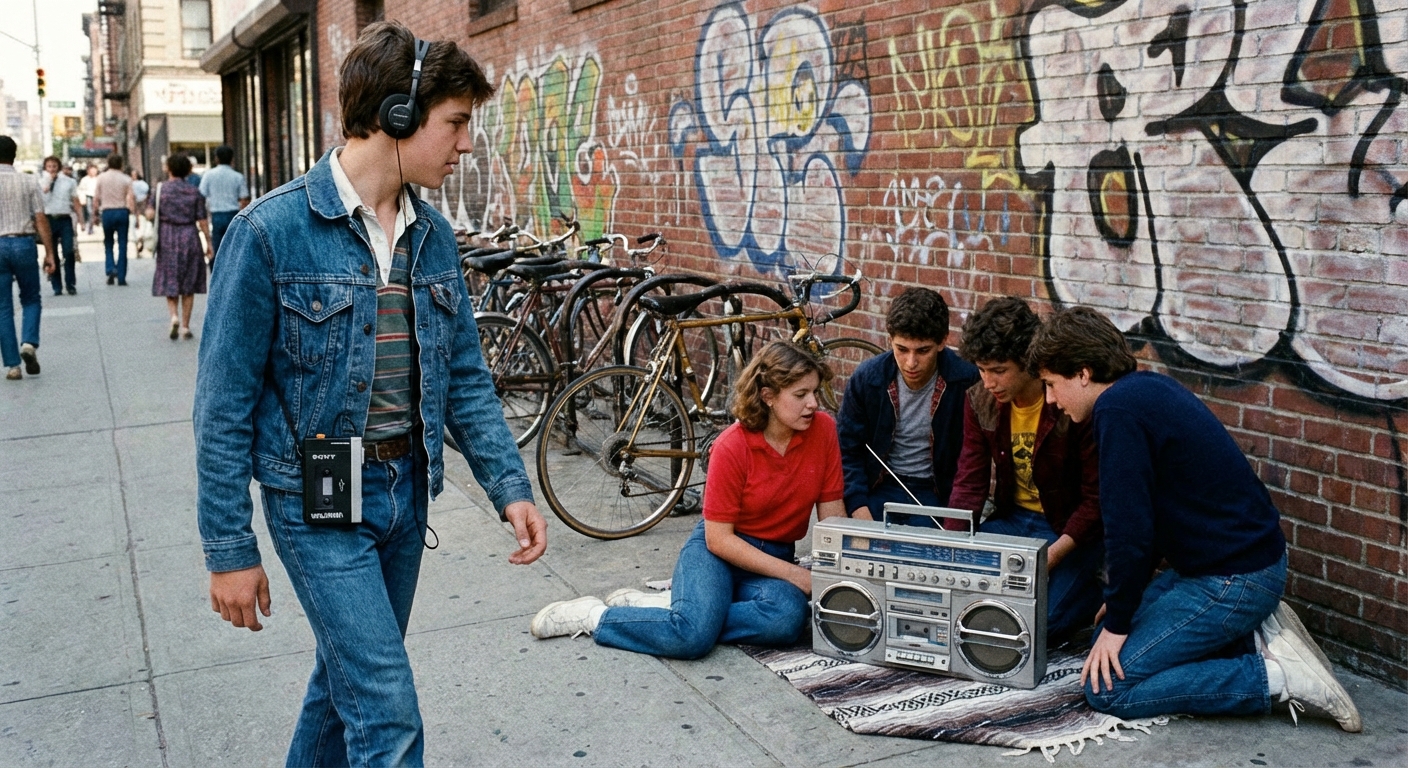
Same tape, wildly different experiences. The Walkman and the boombox were both children of cassette culture, but they changed listening in almost opposite ways. One shrank the world down to a pair of headphones; the other announced itself on the street corner.
Two Icons, One Format
Together, they turned cassettes into a portable revolution—and left behind some unforgettable cultural footprints.
The Rise of the Portable Tape Dream
When the compact cassette debuted in the 1960s, playback devices were mostly tabletop affairs. Portables existed, but they were clunky, mono, and aimed at dictation and note-taking.
By the late 70s and early 80s, two key developments collided:
- Compact, efficient electronics made battery-powered stereos feasible.
- Cassette’s popularity as a music medium exploded, thanks to pre-recorded albums and blank tapes for home recording.
Out of this mix emerged two archetypes:
- The Walkman: private, personal, intimate
- The Boombox: public, social, unapologetically loud
Same little plastic rectangle. Completely different philosophy.
Walkman: The World in Your Head
Sony’s original Walkman (TPS-L2, 1979) wasn’t the first portable cassette player, but it nailed the formula: small size, stereo output, decent sound, and a delightfully simple mechanism.
Technical Magic
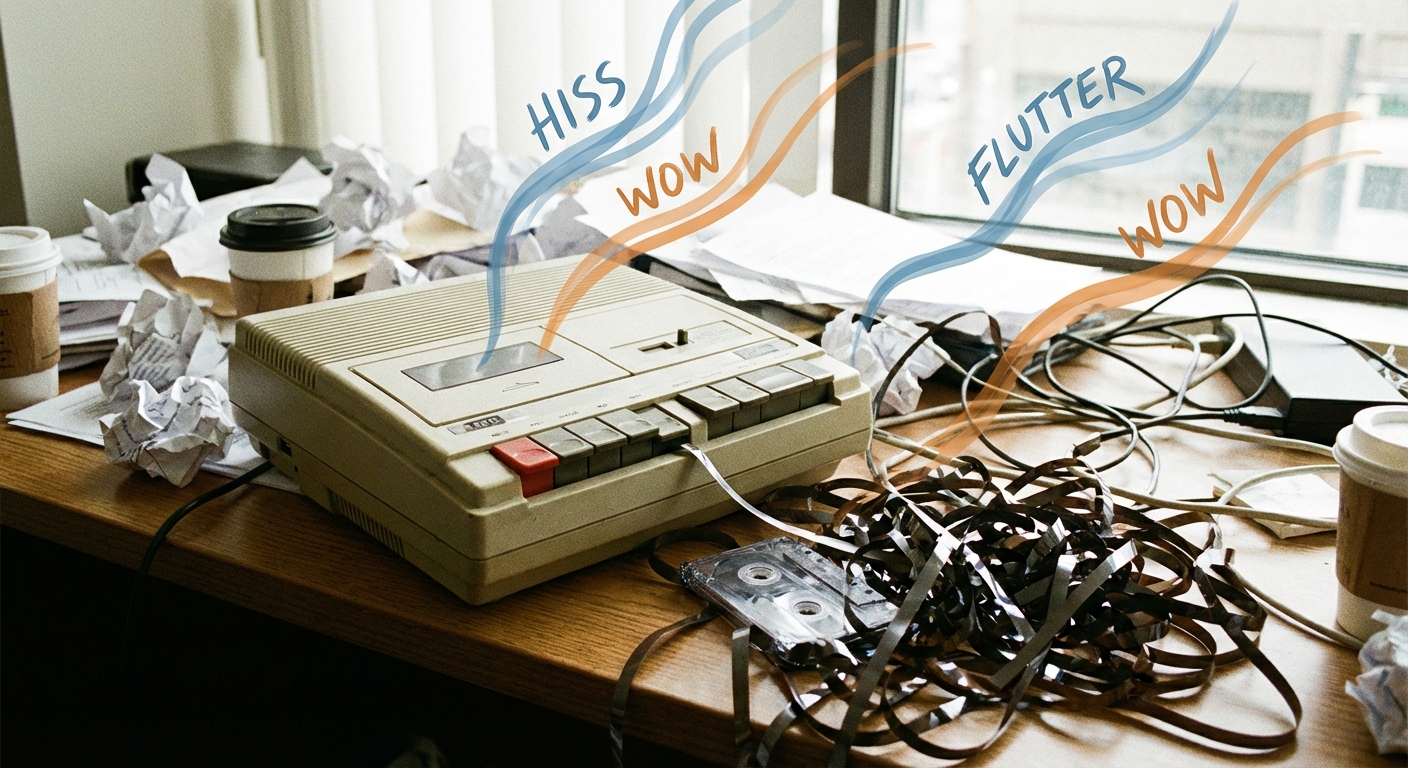
- Compact transport designed for low wow & flutter in a tiny space
- Efficient headphone amp to preserve battery life
- Auto-stop mechanisms to keep the tape from spooling endlessly
Upgraded models added features like Dolby B noise reduction, metal-tape compatibility, and better head assemblies—serious hi-fi in a coat pocket.
Cultural Impact
The Walkman reshaped daily life:
- Private soundtracks: Commuting, jogging, studying—suddenly you could score your own day.
- Social bubbles: Headphones turned public spaces into personal zones.
- New listening habits: People began experiencing albums while moving through the world, not just sitting in front of speakers.
There’s a particular memory many share: that first time stepping outside with headphones on, realizing the opening track of your favorite tape made the entire street feel like a movie scene.
Boombox: The Party with a Handle
If the Walkman whispered, the boombox shouted—in stereo.
Big, battery-hungry cassette players with built-in speakers began appearing mid-70s, and by the early 80s, they were cultural phenomena.
Under the Hood
- Twin speakers for stereo separation
- Multiple band EQs for sculpting bass and treble
- Dual cassette decks on some models for dubbing and mixing
- Mic inputs for recording parties, shout-outs, or impromptu rap performances
High-end boomboxes weren’t just loud; they sounded good. Some had surprisingly refined tape transports, decent wow & flutter specs, and support for chrome/metal tapes.
On the Streets
Boomboxes:
- Anchored block parties and park jams
- Broadcasted local scenes—hip-hop, electro, punk—to sidewalks and playgrounds
- Turned front steps and stoops into makeshift clubs
They were visible, heavy, and impossible to ignore—portable billboards for taste and identity.
Headphones vs. Street Sound: Two Modes of Cassette Life
Cassettes flowed through both devices, but the experiences could not have been more different.
Walkman Listening
- Introspective: You caught quiet details—the hiss before a track, the room tone in a live recording.
- Sequential: Skipping tracks was possible, but clunky; you tended to listen straight through.
- Volume-conscious: Too loud meant fatigue; too soft meant competing with traffic.
Many people formed their deepest bonds with albums via Walkman. Long bus rides and train commutes became private concert halls.
Boombox Listening
- Collective: Tape choice became a group decision—or a group argument.
- Performance-oriented: Volume, bass boosts, and EQ tweaks mattered.
- Casual access: People drifted in and out of the listening zone; songs became part of the ambient world.
A battered tape that sounded great on a boombox might reveal all kinds of flaws on a Walkman—and vice versa.
Tales from the Rewind: Anecdotes of Portable Tape Life
Ask anyone who lived through peak cassette years and stories tumble out.
- The Running Mix: A carefully curated C60 labeled “FOR RUNNING ONLY,” worn thin by daily jogs with a sweat-splashed Walkman clipped to a waistband.
- The Stairwell Sound System: A boombox dragged into the echoing stairwell of an apartment building, transforming it into an impromptu concert venue every Friday night.
- The Headphone Share: Two friends, one Walkman, a clumsy Y-splitter or just one earbud each, negotiating which side of the tape to play.
- The Battery Hustle: Rotating half-dead batteries from the boombox into the Walkman, where they had just enough juice for quieter listening.
Each device invited different social rituals around the same fragile strips of tape.
Technical Trade-Offs: Fidelity, Power, and Hiss in Motion
Both platforms wrestled with the core challenges of cassette playback, just in different ways.
Walkman Priorities
- Low noise floor important, since headphones reveal more hiss
- Stable transport crucial—speed fluctuations are obvious directly in-ear
- Battery life vs. motor torque balancing act
High-end portable units rivaled home decks in sound quality, especially when paired with good headphones and Type II or metal tapes.
Boombox Priorities
- Powerful amps to drive built-in speakers
- Bass response emphasized, sometimes at the expense of subtlety
- Durability—these units were dragged through parks, onto trains, and into parties
The environment (busy streets, open air) often masked tape hiss and minor wow & flutter. What mattered was presence and punch.
Cassette Culture as Seen Through Its Machines
Walkmans and boomboxes didn’t just play tapes; they shaped cassette culture’s identity.
- DIY hip-hop and street culture leaned on boomboxes as both stage and amplifier.
- Introverted indie and bedroom pop often found their truest audience through Walkmans and long solo walks.
- Tape trading lived in pockets (Walkman-ready) but was shown off publicly (boombox-ready).
The same mixtape might serve as:
- Personal soundtrack in a Walkman on a rainy-day bus ride
- Party starter in a boombox at a weekend hangout
Two playback ecosystems, one endlessly adaptable format.
The Afterlife: Retro Revivals and Hybrid Habits
Today, both icons enjoy a nostalgic comeback.
- Vintage Walkmans are repaired, modded, and prized by collectors.
- New portable cassette players, some with USB output, offer an imperfect but charming gateway.
- Boomboxes are rediscovered as statement pieces, sometimes fed by Bluetooth receivers wired into their aux inputs.
Modern listeners might:
- Digitize tapes using a deck, then carry the files on their phone.
- Still choose a Walkman for the experience of walking to a fixed-length mix.
- Use a boombox at gatherings for the sheer joy of slamming a tape in and hitting play.
The technologies around cassettes evolve, but the underlying desire—to carry music with us and share it on our own terms—remains the same.
Two Ways to Carry a Moment
Walkman or boombox, headphones or street speakers—cassette players taught us that music could follow us, shape the spaces we moved through, and signal who we were.
Slip a tape into a Walkman and the world blurs into a film scored just for you. Drop that same tape into a boombox and the world becomes your audience.
Cassette culture lives in that tension between the private and the public, the solitary and the shared. And whether you preferred your music pressed gently against your ears or broadcast from a plastic throne with a handle, those little reels turned everyday life into something just a bit more cinematic.