Cassette culture wasn’t only about tape decks and plastic shells—it was about how intimately we connected with sound. Before algorithms shuffled our lives, we made choices in real time: what to record over, what to save, what to copy for a friend, what to hide in a shoebox.
Not Just a Format, But a Feeling
Here are 10 ways cassette culture turned listening into something deeply, playfully personal.
1. The Sacred Ritual of the Mixtape
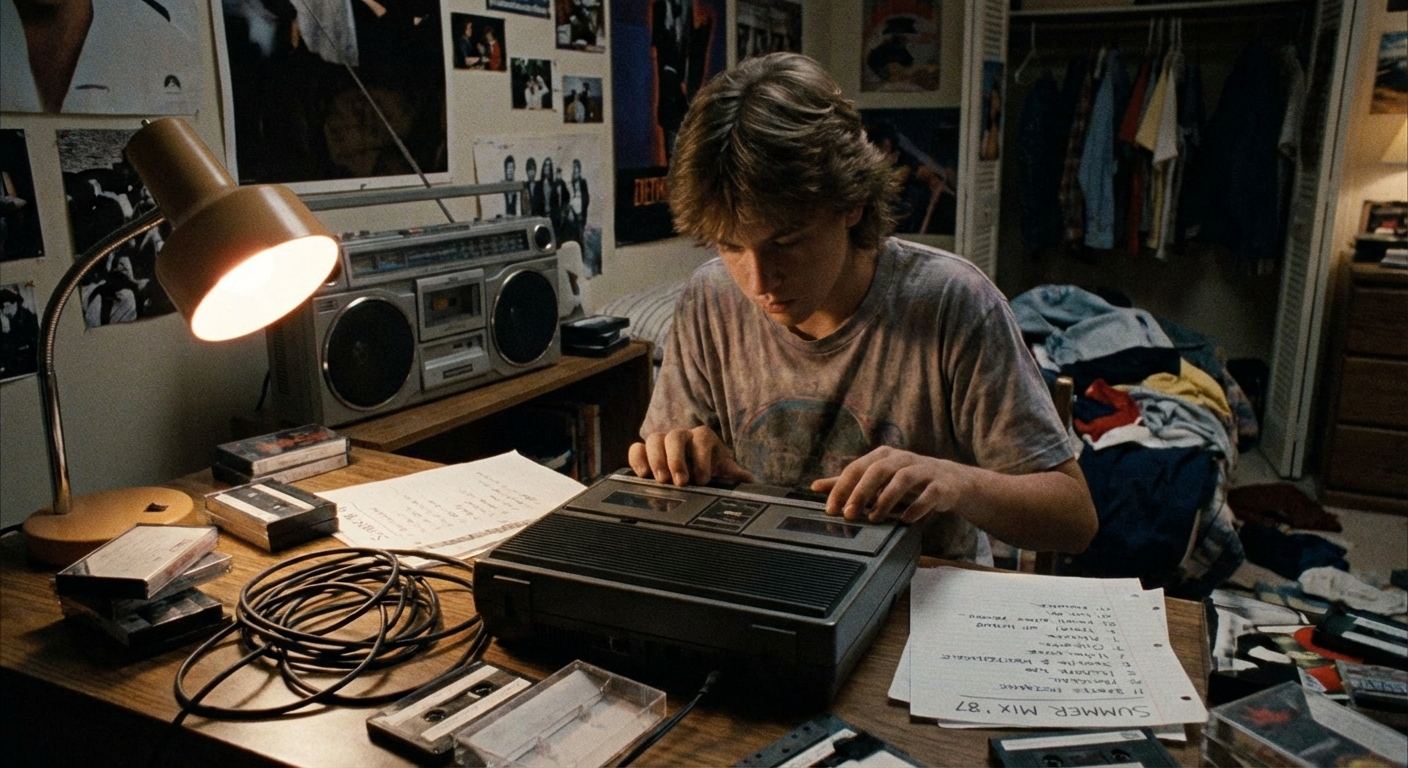
Crafting a mixtape was part DJ-ing, part confession.
You:
- Timed songs with a finger hovering over the pause button
- Built emotional arcs across Side A and Side B
- Debated for days over the perfect opening and closing tracks
A carefully made tape said, “Here’s how I hear the world—and how I think you might like to hear it too.” It was a message in a plastic bottle.
2. Side A / Side B: Built-In Intermissions
Streaming never asks you to flip anything. Cassettes did.
That forced intermission:
- Created a natural midpoint in the listening experience
- Encouraged artists to think in two halves, not just a track list
- Gave you a tiny decision point: play the rest now, or save it for later?
Some albums were sequenced so that Side B felt like a secret bonus world. You hadn’t really heard the record until you’d committed to flipping it.
3. The Handwritten J-Card as Diary
Those little folded inserts—J-cards—were canvases for:
- Track lists written in all caps, cursive, or messy half-print
- Doodles, inside jokes, and margin notes
- Cryptic dedications like “For that night in March”
Collectors today treat original J-cards like archaeological artifacts. The fading ink, the uneven lines, even the wrong spellings all testify: a real person spent real time here.
4. The Thrill of the Half-Remembered Tape
Everyone had that one cassette:
- A mix taped off late-night radio, with DJs talking over the intros
- A friend-of-a-friend’s band’s demo, never properly labeled
- A compilation where no one quite remembered who Track 4 was
Years later, you might recognize a song in a grocery store and feel time fold in on itself: So that’s who that was. Cassette culture left behind trails of sonic mysteries that Shazam can only partially solve.
5. Overdubbing Memories: New Songs on Old Tapes
Cassettes were endlessly rewriteable—whether the original contents agreed or not.
You might:
- Record your band over an old language-learning tape
- Layer answering-machine messages onto the last few minutes of an album
- Accidentally tape your own voice over the outro of a beloved song
Those strange collisions created accidental sound collages where time, mood, and meaning all overlapped. Nothing stayed pure for long, and that was part of the charm.
6. Tape Trading: The Social Network with Stamps
Before file sharing, there was tape trading.
Fans and creators:
- Posted ads in zines offering to trade live shows, demos, or compilations
- Mailed padded envelopes across borders
- Built friendships around favorite bands and underground scenes
Every package felt like a care parcel: a handwritten note, maybe a sticker, sometimes two or three extra tapes just because “I think you’ll dig this.” The network ran not on bandwidth, but on trust and curiosity.
7. The Joy of Imperfect Recording
Cassettes made any space a recording studio:
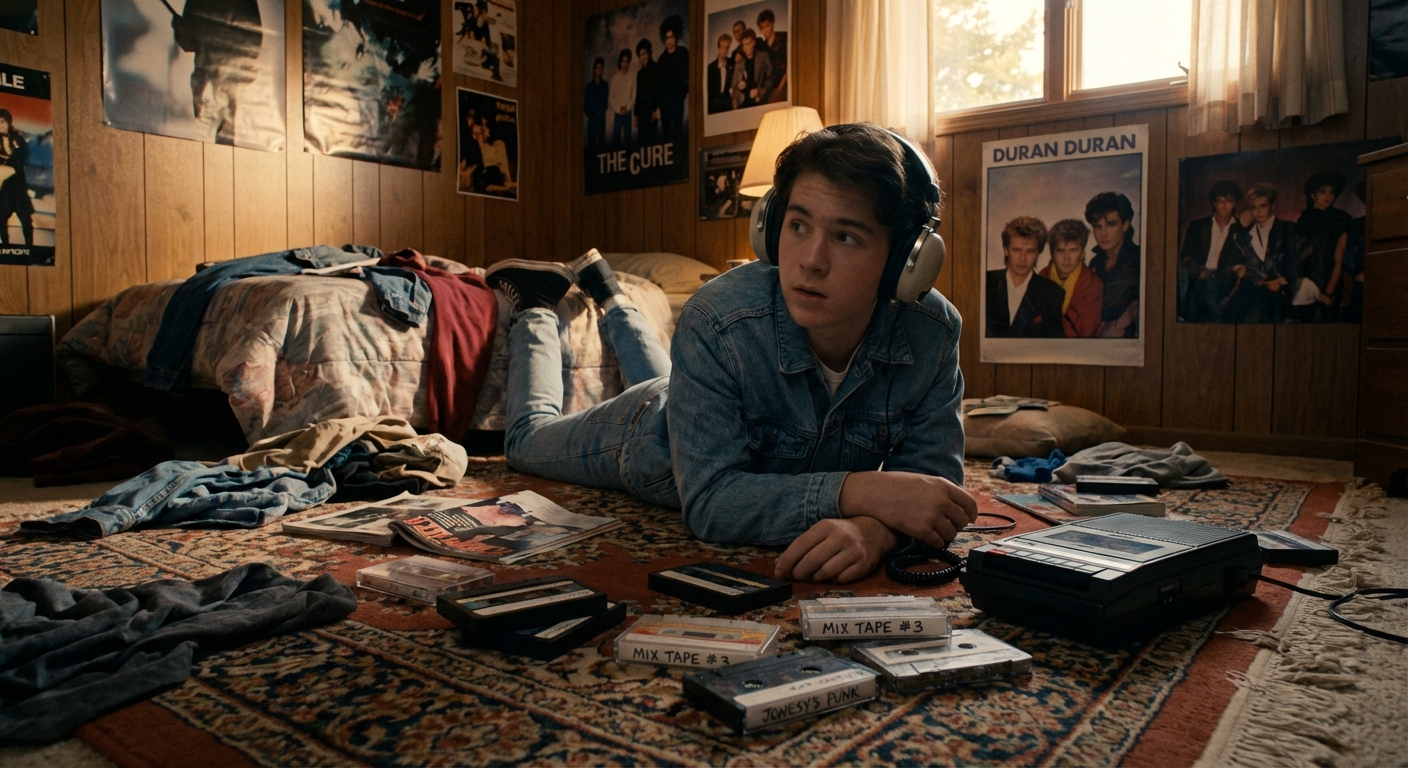
- Bedrooms turned into vocal booths
- Basements into echo chambers
- Practice rooms into live rooms, whether they liked it or not
The technical limitations shaped the sound:
- Drums might overload the input, giving a crunchy, lo-fi attack
- Room noise—the fan, the street, the neighbors—became part of the track
- Vocals recorded too close to the mic saturated the tape deliciously
Listening back, you didn’t just hear the song. You heard where it was made.
8. Discoveries in the Thrift Store Bins
For modern cassette collectors, the second-hand hunt is a whole subculture.
Anecdotes abound:
- Finding a box labeled “Church Tapes” that contains surprisingly wild home-recorded gospel funk
- Buying a “Relaxation Music” cassette that’s secretly a local synth player layering drones and field recordings
- Discovering a tape with only a first name and phone number on the J-card—and a set of fragile, heartbreakingly honest acoustic demos inside
Each cassette is a mystery until you press play, and sometimes even after.
9. The Physical Signs of a Life Lived
Cassettes age visibly and audibly:
- Sun-faded paper inserts
- Shells yellowed by time
- Handwritten labels bleached or bled by humidity
- Warped cases that no longer close quite right
On playback, you might hear:
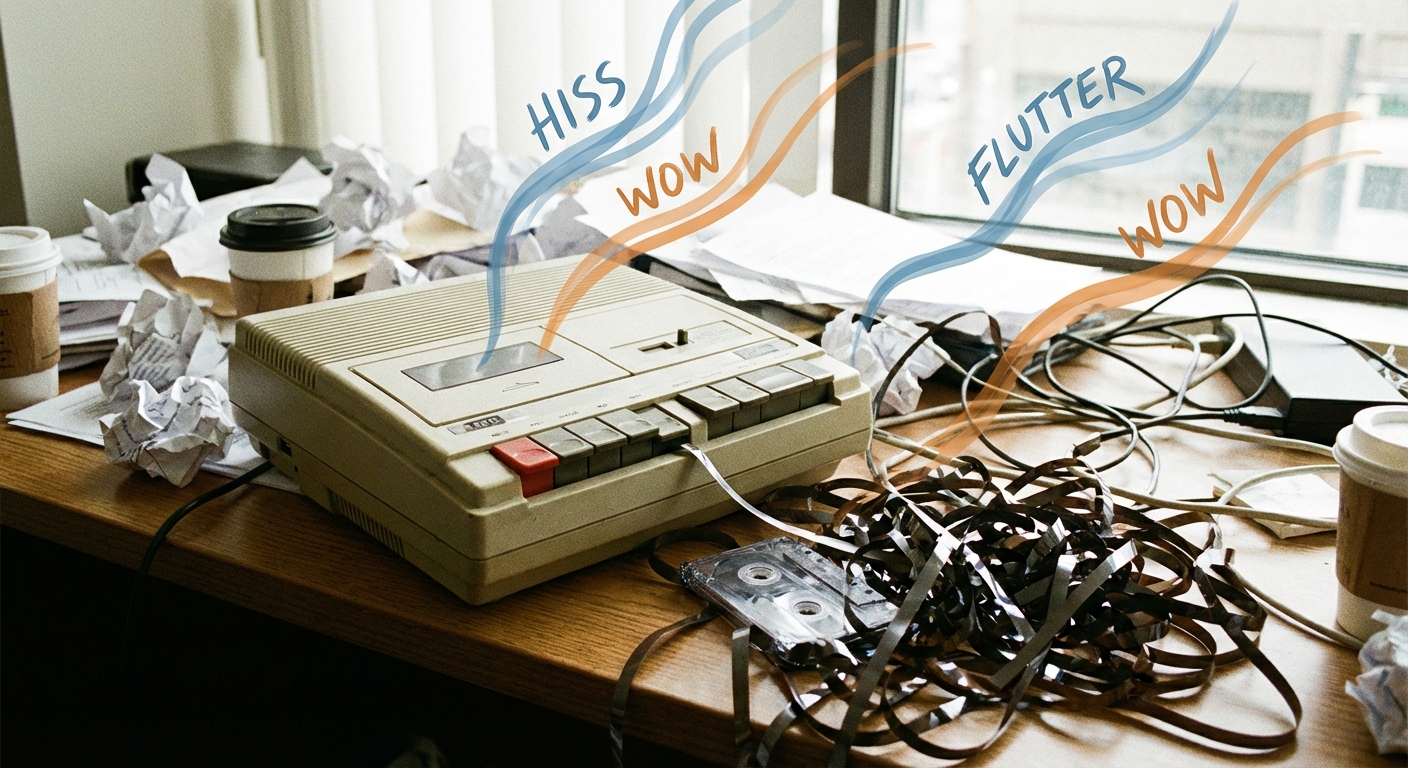
- A slight wobble on a favorite chorus
- A dropout that feels like a familiar blink
- Extra hiss that creeps in with each decade
These marks don’t just show wear; they show use. They’re the patina of repeated listens, road trips, and borrowed-and-returned adventures.
10. Slowness as a Feature, Not a Bug
Cassettes moved at the pace of real life.
- Fast-forwarding meant guessing, stopping, and adjusting
- Rewinding too far back sometimes meant hearing the previous track in full again
- Recording required real time: a 60-minute tape took 60 minutes to fill
That slowness fostered a different relationship with music. You spent time with albums because skipping around wasn’t frictionless. You learned to love B-sides because they were simply there when you hit play.
Why Cassette Culture Still Feels So Human
In a world where music is instant, infinite, and weightless, cassettes stand out as stubbornly physical and delightfully finite. They carry not only recordings, but also:
- Handwriting and fingerprints
- Mechanical quirks and environmental scars
- Evidence of choices made under constraints
Cassette culture reminds us that listening can be tactile, social, and slow—and that the artifacts we leave behind don’t have to be perfect to be precious.
Somewhere, in a shoebox or glove compartment or forgotten drawer, there’s a tape waiting to be found, labeled in a hurried scrawl, full of songs and stories preserved in magnetized dust. When you finally press play, you’re not just hearing music. You’re meeting a moment in time, wound tightly around two little reels.