If you grew up measuring time in mixtape sides instead of minutes, you already know: collecting cassettes isn’t just a hobby, it’s a way of remembering. Every tape has a spine-smudged story, a hiss-filled memory, and a slightly warped personality.
The Soft Click of a Play Button
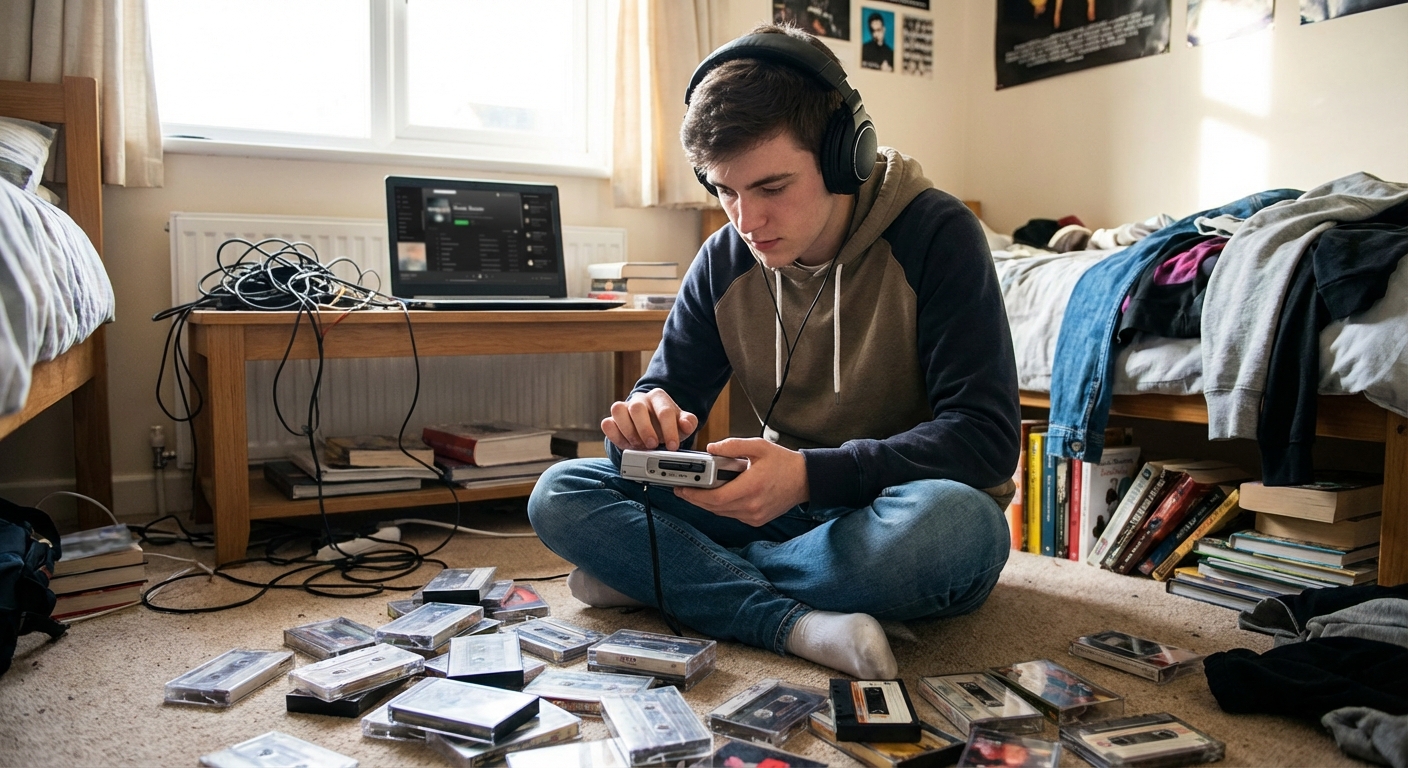
Today, in a world of infinite streaming and ruthless algorithms, cassette collecting has become a nostalgic, playful rebellion—a slower, more tactile way to love music.
From Portable Miracle to Thrift Store Survivor
Before tapes became flea-market fixtures, they were astonishingly high-tech. When Philips introduced the Compact Cassette in 1963, it wasn’t aimed at audiophiles—it was meant for dictation. But a few clever tweaks changed everything:
- Stereo playback turned the format from office tool to music machine.
- Improved tape formulations (like chromium dioxide) boosted fidelity.
- The Walkman (1979) made cassettes personal—suddenly music traveled in backpacks, pockets, and jacket sleeves.
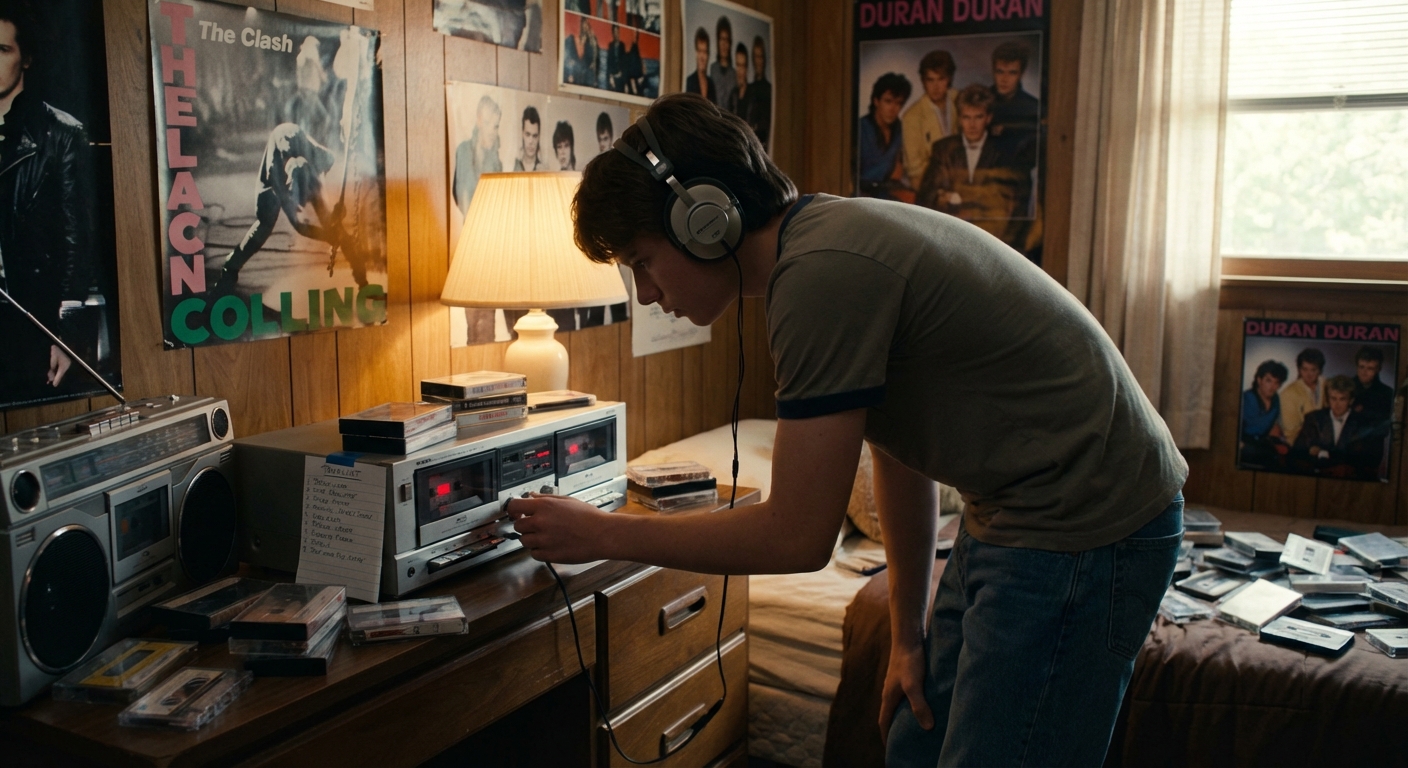
By the mid-80s, cassettes outsold vinyl. Labels flooded the market with pre-recorded albums, while blank tapes empowered teenagers to make mixtapes, bootlegs, and radio recordings. The cassette wasn’t just a product; it was a participatory format.
Then came the CD. Then mp3s. Then streaming. Tapes were demoted to bargain bins and glove compartments. But they never fully disappeared.
Why These Plastic Bricks Still Matter
Ask a modern cassette collector why, and the answers sound almost romantic:
- The sound: That tape hiss, the gentle saturation when the levels are pushed too high, the slightly rolled-off highs—it’s a cozy, worn-in sonic sweater.
- The commitment: No skipping 14 tracks ahead. You live with Side A. You flip the tape. You get to know the deep cuts.
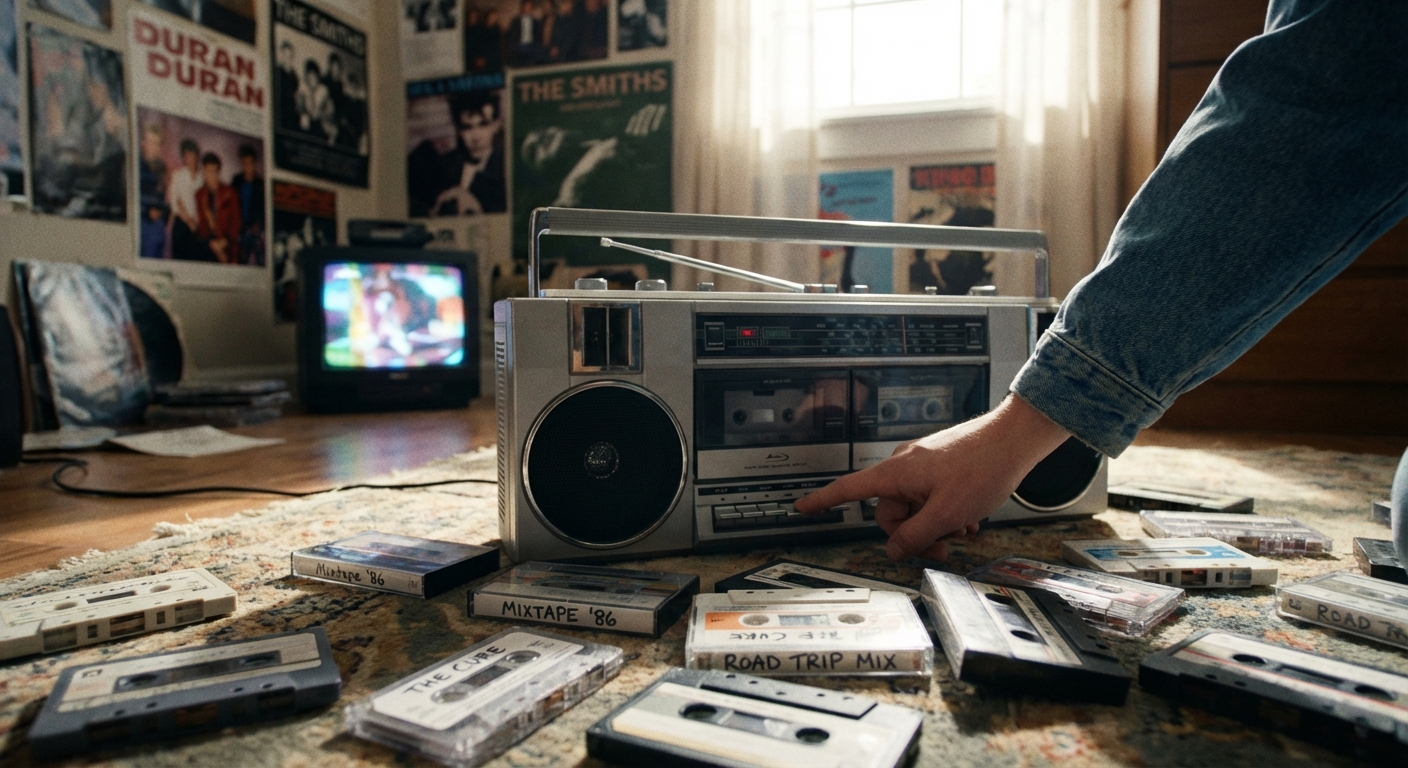
- The object: Tiny cover art. Typewritten spines. Warped shells. Handwritten J-cards. Each tape is a little artifact.
Underneath the nostalgia is a quiet technical magic.
A Tiny Studio Inside a Shell
Open a cassette shell (carefully), and you’ll find:
- Magnetic tape: Polyester film coated with iron or chromium particles, storing audio as a pattern of magnetic orientations.
- Two hubs / reels: Feeding and taking up the tape as it runs.
- Pressure pad: Ensuring the tape stays snug against the playback head.
A tape deck reads tiny fluctuations in magnetism along the tape’s path and translates them into an electrical audio signal. With good heads, proper alignment, and decent tape, the humble cassette can sound surprisingly rich.
Collectors’ Lore: The Thrill of the Unexpected Find
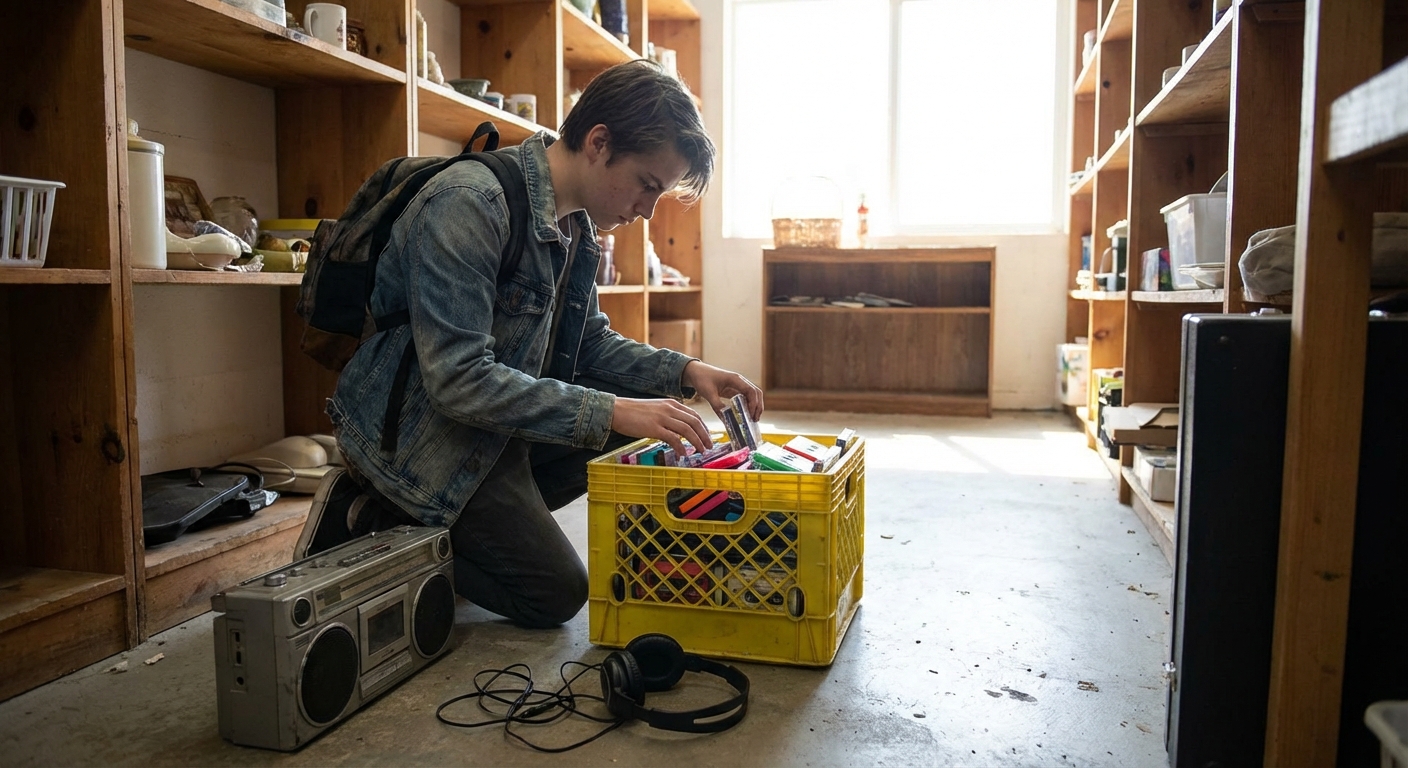
Talk to a cassette collector long enough and the stories roll out as easily as tape from a chewed cassette.
- The Trunk Discovery: “I bought an old car for parts and found a shoebox under the spare tire—full of late 80s hip-hop tapes, some local, some major. Sun-baked J-cards, melted labels, but every tape still played with this woozy, haunted quality. It felt like inheriting someone’s teenage brain.”
- The Mystery Mixtape: “Thrift store, unmarked tape, 50 cents. Side A was all 90s R&B; Side B was someone talking between songs about school, crushes, and exams. Zero names. It’s been my favorite anonymous diary for years.”
- The Wrong Genre Jackpot: “I bought what I thought was a rock compilation from a yard sale. When I played it, it was some Eastern European synth-pop with handwritten translations on the J-card. I ended up going down a rabbit hole and collecting the whole scene.”
Part of the joy of collecting is this element of surprise—you don’t just acquire music; you stumble into other people’s lives.
Cultural Comeback: From Bedroom Labels to Tour-Only Tapes
Cassettes have quietly returned as a low-stakes, high-charm format for underground and indie music.
- DIY labels release short runs—50, 100, maybe 300 copies.
- Bands sell tour-only tapes with alternate mixes or live sets.
- Noise, ambient, and experimental scenes especially love the medium’s lo-fi warmth and modest cost.
Technically, this resurgence is powered by:
- Duplicators: High-speed cassette duplicators can dub dozens of tapes at once, often with real-time monitoring.
- New shell and tape production: Companies like National Audio Company kept producing blank tapes through the cassette drought and have since scaled up.
- Hybrid listening habits: Many releases come with a download code—tape as artifact, digital as daily driver.
Culturally, the cassette has become a symbol of intentional listening and small-scale art. There’s something irresistible about knowing that only a few hundred copies of that neon-pink shell exist.
A Collector’s Eye: What Makes a Tape Special?
Not all tapes are created equal. Collectors often keep an eye out for:
- Obscure local releases: Small-town bands, regional rap scenes, church choirs, DIY punk labels.
- Early pressings: Original 80s releases with old label logos, unique layouts, or misprints.
- Odd formats and variants: Clear shells, colored shells, promo-only samplers, long-boxed cassettes, bilingual J-cards.
- Recording quirks: Home-dubbed tapes with radio intros, news bulletins, or half-captured weather reports still on them.
The fun isn’t just in finding “valuable” tapes; it’s in the ecosystem of personal and commercial recordings that defined the analog era.
Keeping Your Collection Alive and Turning
Cassettes age, but with a bit of care, they keep spinning:
- Store tapes upright, away from heat and sunlight.
- Rewind and fast-forward a new or long-idle tape end-to-end once (called “exercising” the tape).
- Clean your deck heads regularly with isopropyl alcohol.
- Use a soft pencil, not brute force, to rescue a partially eaten tape.
A well-maintained deck and tidy storage can keep 40-year-old cassettes playing like faithful old friends.
The Slow Joy of Side A / Side B
Underneath the hiss and the nostalgia, collecting cassettes is about pacing yourself. You don’t binge; you dwell. You choose a tape. You commit to a side. You let the music decide when to stop.
In an age of bottomless playlists and instant skips, there’s something quietly radical about a format that insists on order, sequence, and little pauses while you flip the tape.
Collecting cassettes isn’t about chasing perfection. It’s about celebrating the beautiful imperfections of an analog era that invited us not just to hear music, but to handle it—flip it, label it, rewind it, lend it, and, decades later, lovingly collect it.